Breaking Barriers in Glass Lifting Equipment: Smarter, Safer Handling Solution
January 31, 2026
Handling glass goes far beyond simply lifting and placing panels; it requires precision, care, and safety at every step. On a busy construction site or in a workshop, the wrong move can lead to broken panels, worker injuries, and costly delays. Using reliable tools like glass handling suction cups, vacuum glass lifters, and the Smartlift glass lifter ensures each panel is moved securely and positioned accurately.
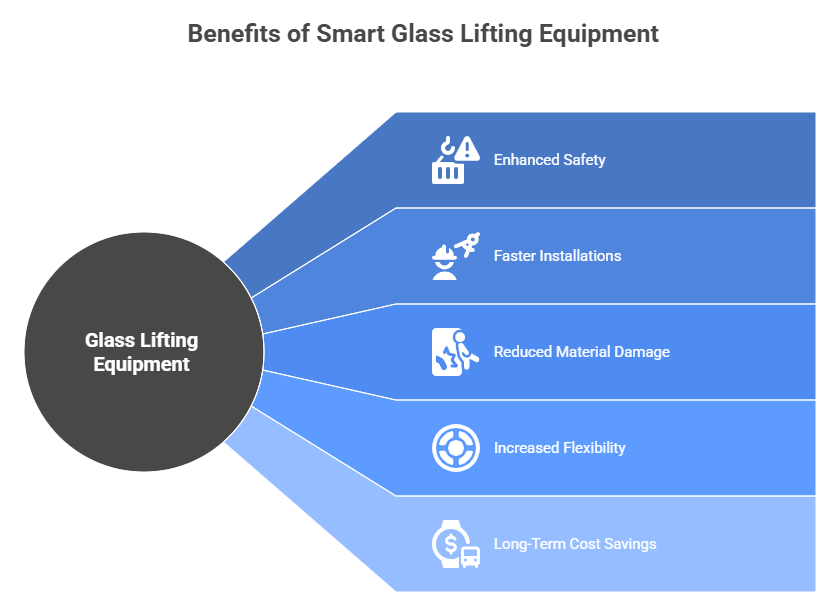
The right equipment protects both the team and the glass while keeping projects on track. Whether it’s a large-scale building project, a renovation, or a manufacturing process, smart glass lifting equipment improves efficiency, reduces risks, and helps deliver quality results consistently.
The Real-World Barriers in Glass Lifting Equipment
Regardless of the operations, glass is now a key usage in modern architectural designs, leading to the use of larger, heavier and more fragile panels than before.
Companies have started to adopt advanced options like vacuum glass lifters that make the lifting process easier and safer.
However, these experienced glass installers face major obstacles depending on the size, weight and type of glass they’re working with. Before choosing the right lifting solution, it’s important to understand the common challenges teams face on-site.
Let’s break down the major difficulties seen in the industry
1. High Risk of Breakage and Damage
There is no doubt that glass may look strong and fragile but it is also very sensitive to uneven surfaces and sudden movement. A small shift in weight can shatter a glass panel instantly. Breakage of glass not only delays projects but also increases material costs and creates safety risks.
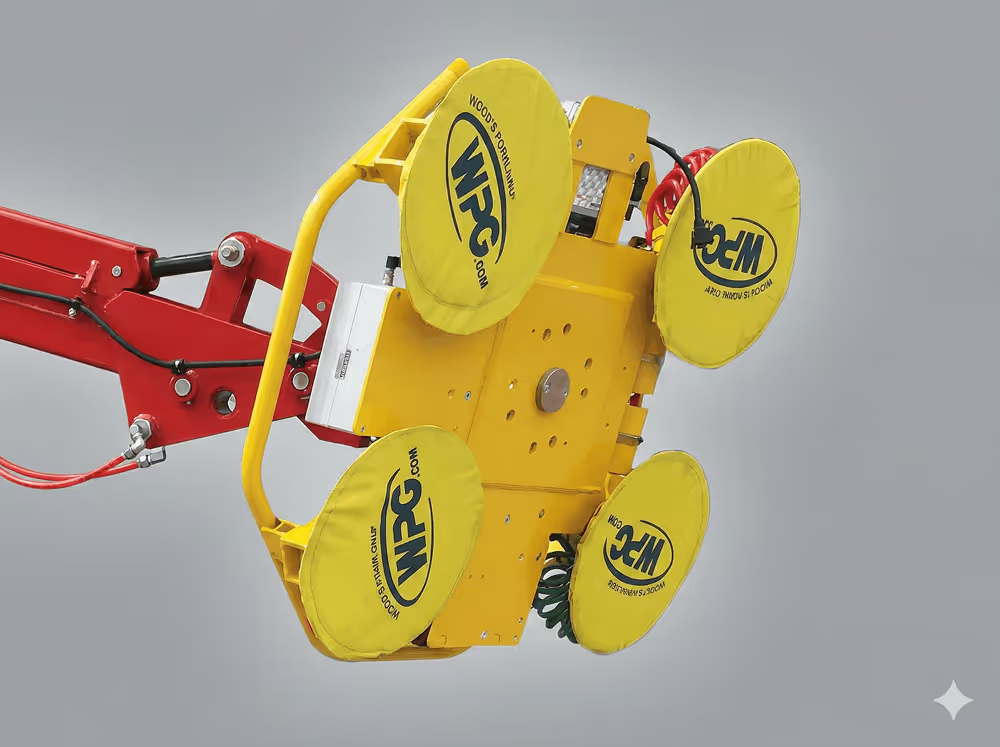
Glass handling suction cups help solve this problem by distributing weight evenly across the glass surface, reducing stress points and protecting the material throughout handling.
2. Working in Tight Spaces
Indoor installations with limited space can make glass handling extremely challenging. Narrow corridors, small rooms or tight gaps between structures prevent manual teams from placing the glass equipment safely, including well-planned teamwork for glass panel positioning.
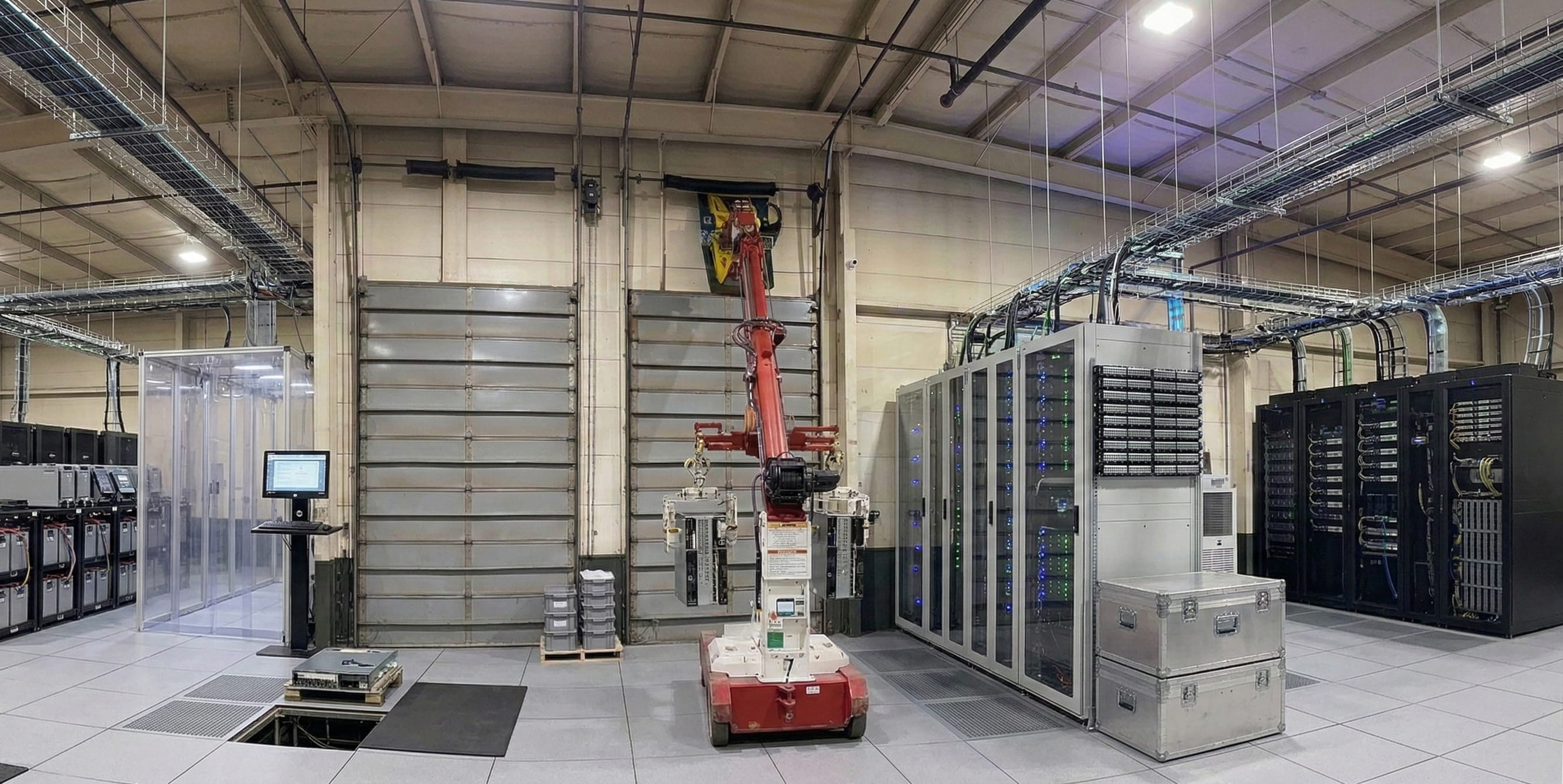
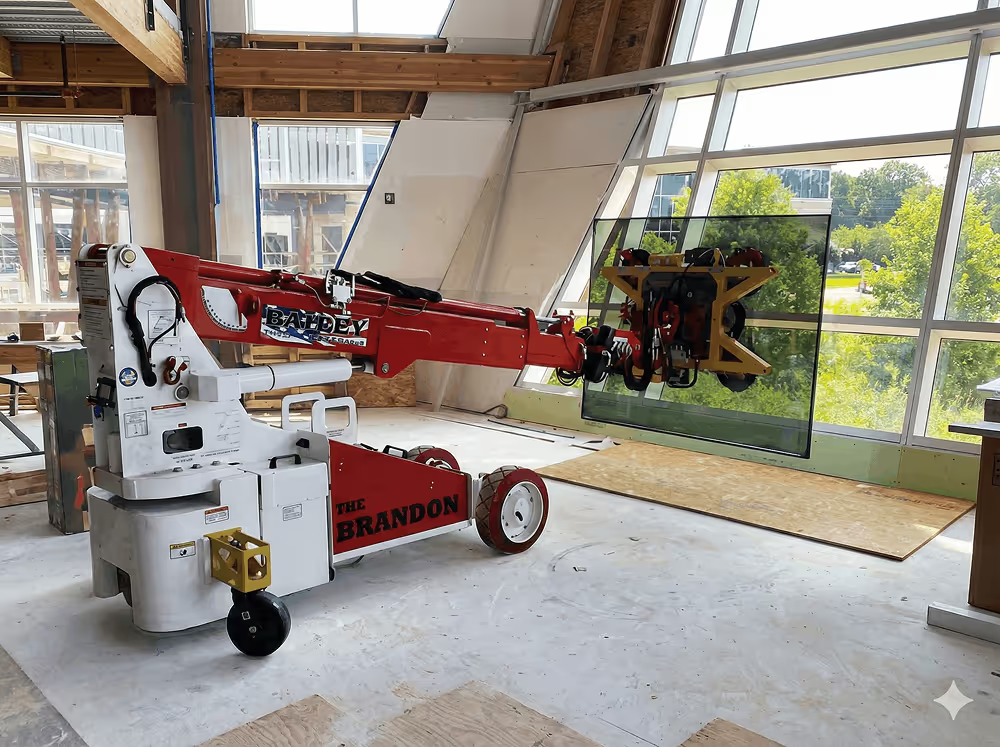
Compact machines like the Smartlift glass lifter solve this by providing reliable lifting power in a small design. These lifters move easily through limited spaces and have precise control for accurate glass placement.
3. Handling Heavy and Oversized Glass Panels
Every glass panel that is manufactured may not be the same weight. It may weigh many kilograms, making much manual lifting unsafe and unreliable. Without advanced glass handling equipment, there are possibilities of injuries to workers, muscle strain and loss of control during movement, especially in confined areas.
4. Challenges from Outdoor Conditions
Weather can make glass lifting even more difficult. Strong winds push large panels off balance. Extreme temperatures affect suction strength. Uneven or rough ground limits safe movement of lifting machines. Today’s vacuum glass lifters are built to handle these conditions with stronger seals, improved suction, and stabilizing features that maintain safety even when working outdoors in unpredictable environments.
5. Limited Skilled Workforce
Not all workers are trained to handle large or delicate glass safely. Lack of experience increases the risk of accidents, incorrect lifting, or damaged panels. As glass installations become more complex, the need for easy-to-use machines is increasing. Modern glass lifting equipment is designed with simple controls, safety indicators, and clear guidance systems that allow even less experienced workers to operate them confidently and safely.
6. Difficulty Managing Unusual Shapes
Many facilities work with glass parts that have curved surfaces, angles edges and unusual shapes. These components can be difficult to grip or position rightly with standard lifting tools, especially in tight or obstructed spaces. With glass handling suction cups, it is easy to handle these geometrics through smooth movement, fine control and stable positioning without needing extra space or special infrastructure.
Modern Glass Lifting Tools Assist in Breaking These Barriers
1. Special Grips for Complex Glass
All the components are not the same or flat or even balanced. Many industries work with curved glass panels, angled structures or irregular parts. Modern lifting systems leverage tailored end effectors, adjustable frames and flexible mounting points that match exact shape of the load.
2. Precision Controls for Delicate Operations
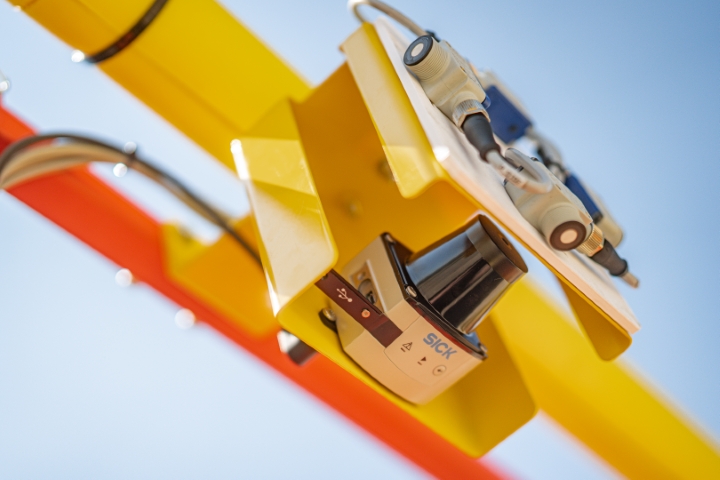
Sensitive materials and high-accuracy tasks require careful handling. Modern lifting tools offer proportional controls that respond easily to operator input. These systems allow slow, controlled movements across multiple axes, helping users place delicate or awkward loads exactly where they need to be without sudden shifts.
3. Stability on Uneven Surfaces
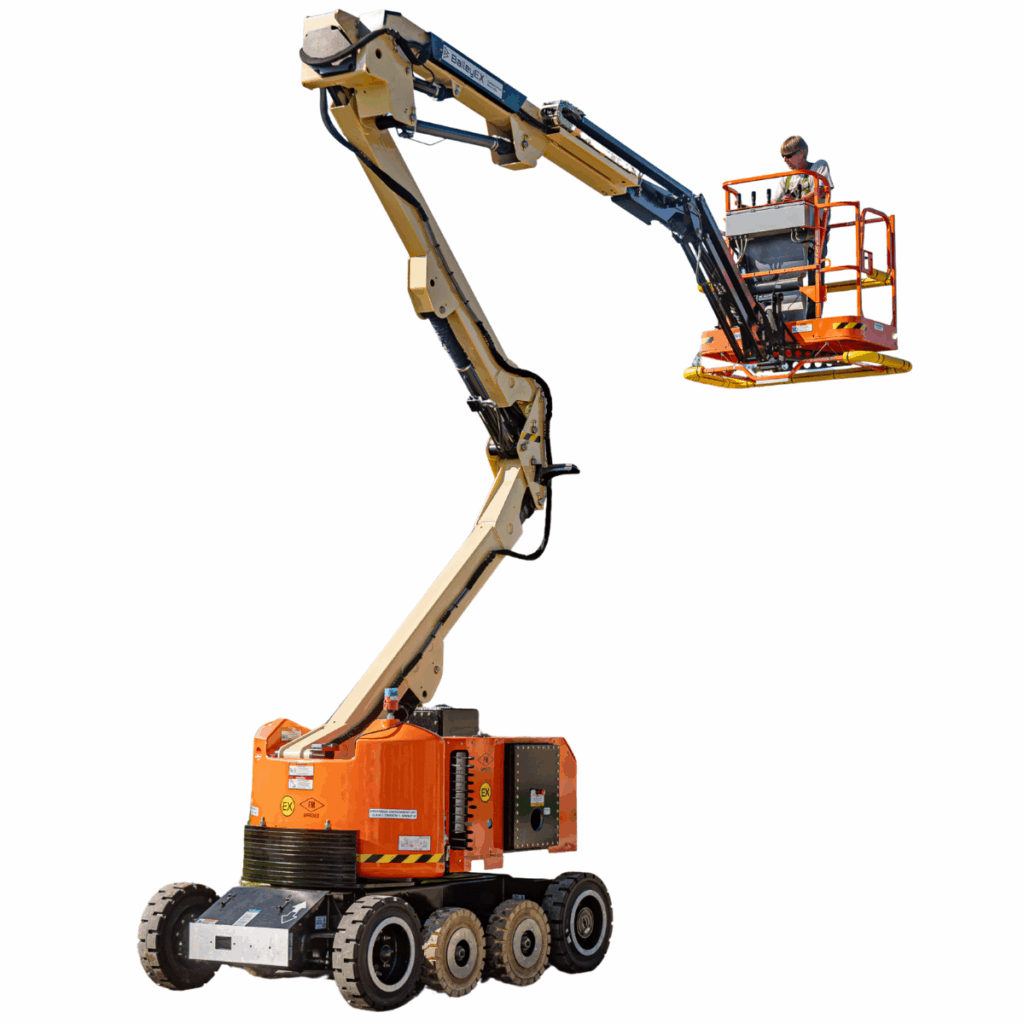
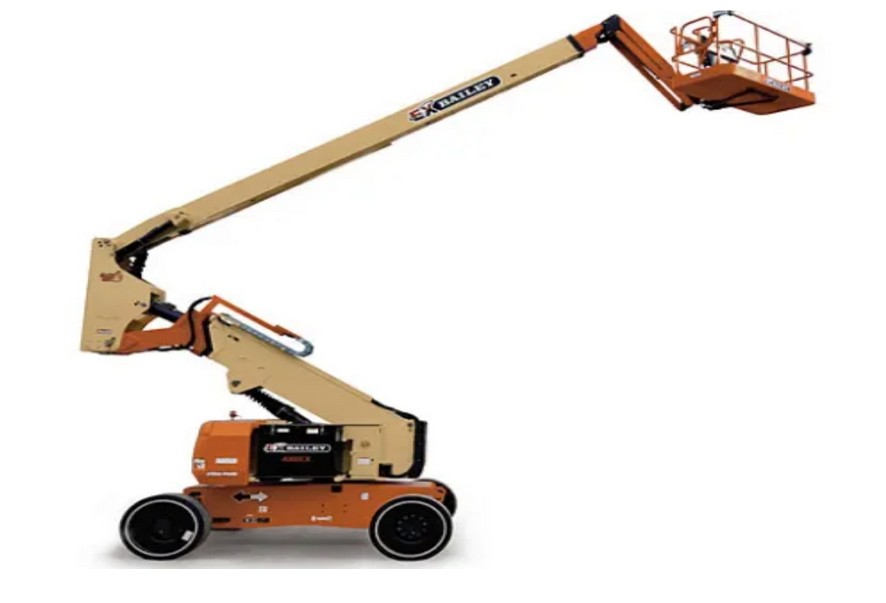
Modern craning systems utilize modern stabilizing legs, rigid chassis designs and improved load-balancing technology, ensuring consistency and uninterrupted operation even on rough terrain. This process helps reduce risk during installation and makes it easier to work securely in high-demand environments or limited setup space.
4. Equipment option for Specialized Environments
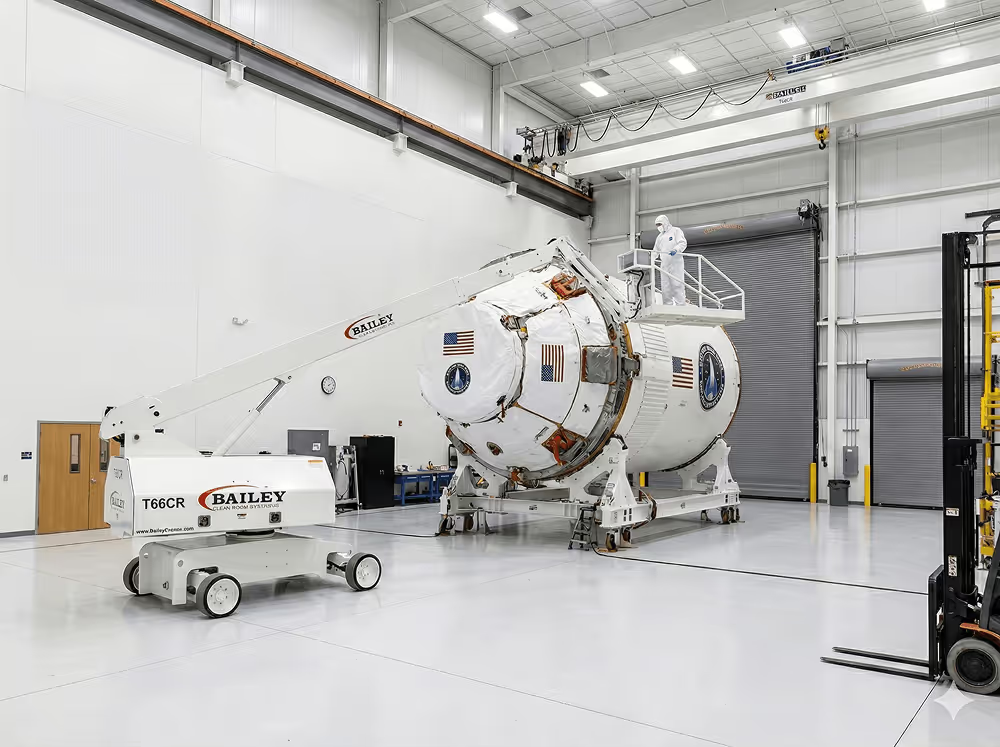
Many industries work in areas that need special safety or cleanliness rules. Advanced lifting tools can be built with electric power, cleanroom friendly materials and low-emission systems to match those needs. These custom options help the equipment work safely and reliably in any special environment.
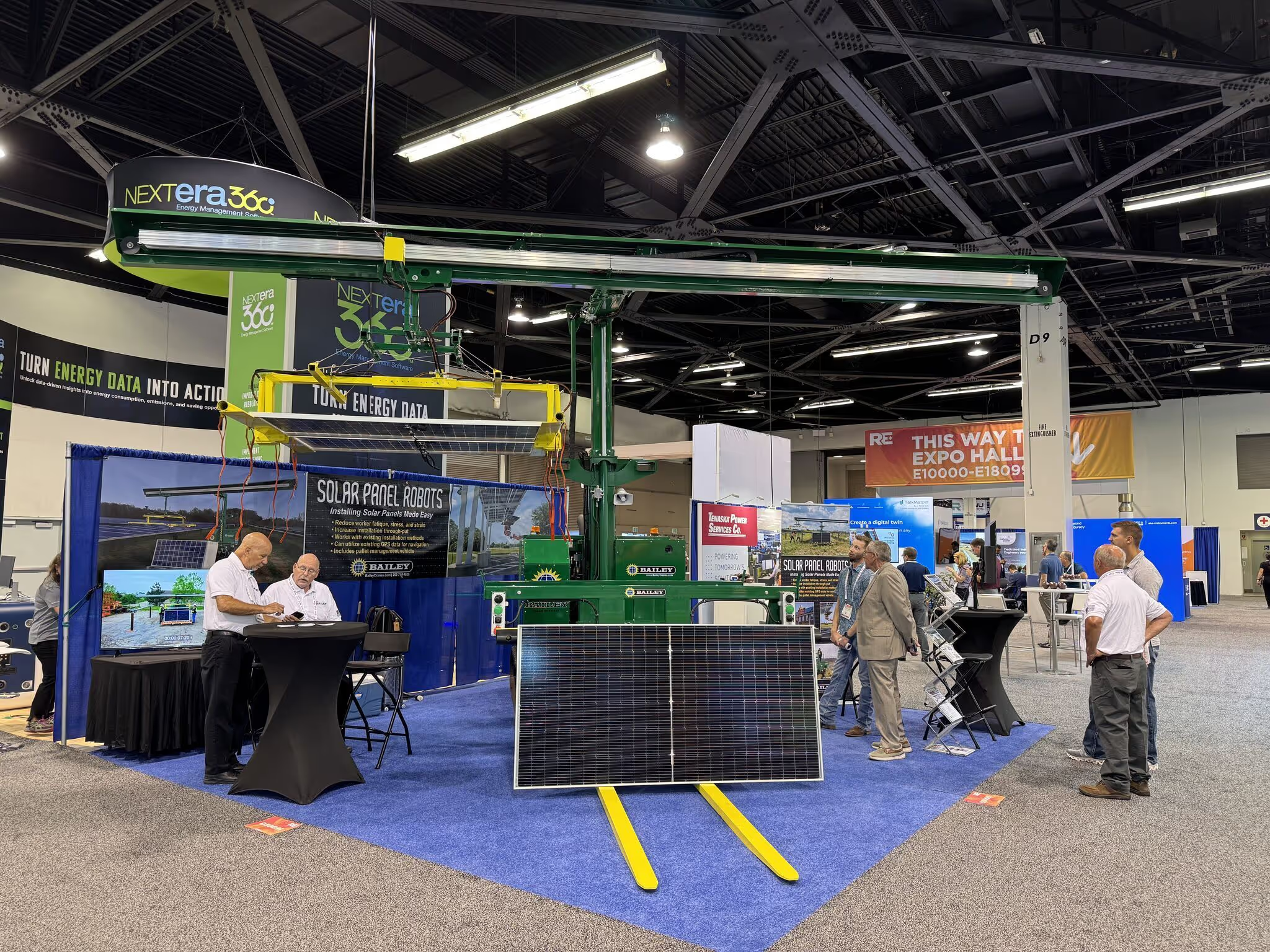
Bailey Cranes: Pioneering Smarter and Safer Glass Lifting Solutions
Glass lifting will always come with challenges, but the right tools can turn these challenges into smooth, safe work. Modern lifting systems make it easier to handle big panels, unusual shapes, and tight spaces without risking damage or delays. As envioronment become more complex, choosing the right glass lifting equipment that fits not just the budget but also the operation becomes essential. With smarter, safer lifting solutions, teams can work faster, reduce mistakes, and protect both people and materials.
Ready to lift your service?
Contact our sales team to see how we can build out a custom design for your application today.
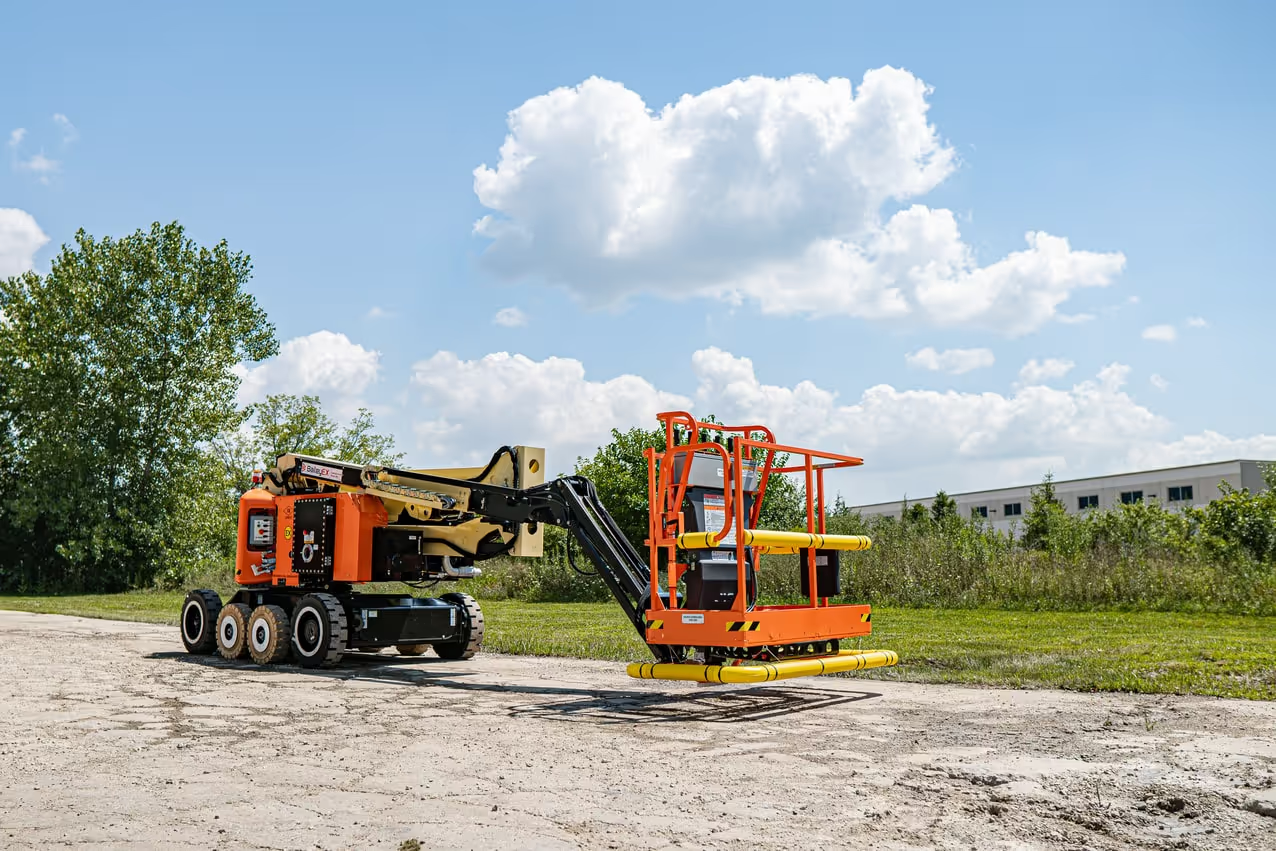
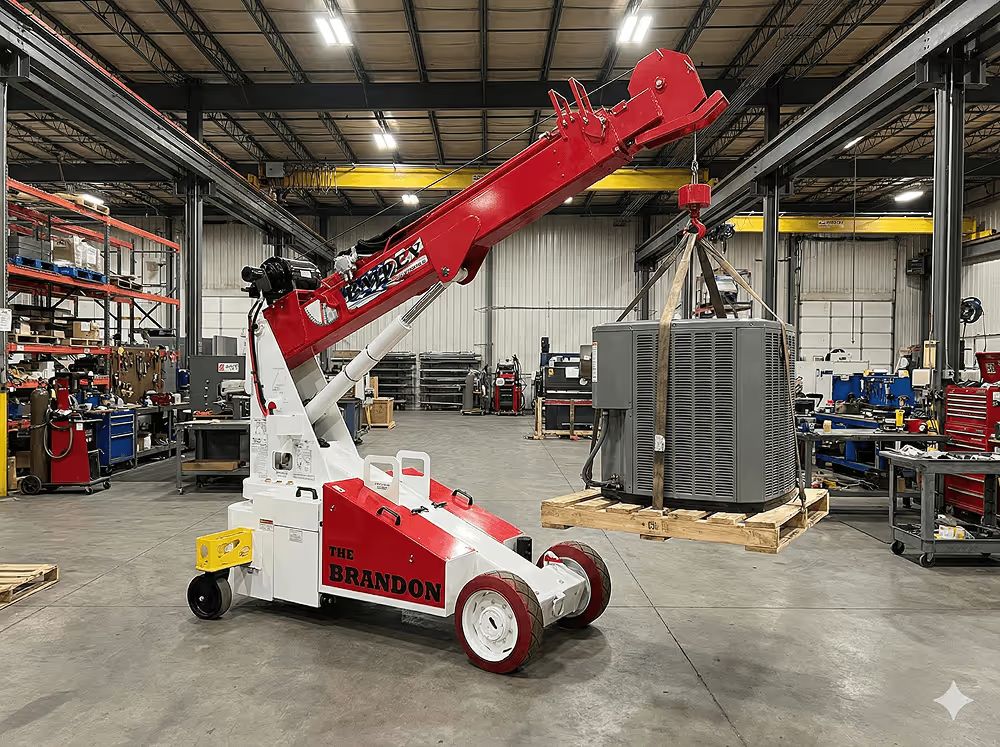
Partner with Bailey to transform proven platforms or build fully custom lifting solutions—engineered, manufactured, and supported under one roof for mission-critical environments where failure is not an option.
Bailey Specialty Cranes & Aerials is a Service-Disabled Veteran-Owned engineering and manufacturing firm based in Muskego, Wisconsin. We specialize in precision access solutions for industries where the margin for error is zero.


.avif)