Over the years, a widespread misconception has emerged in the world of Maintenance, Repair, and Overhaul (MRO) facilities that all settings, regardless of their purpose, should rely on explosion-proof equipment, like explosion-proof scissor lifts and explosion-proof forklifts, as the primary safety measure.
Though the motive of this belief is based on precaution, it tends to ignore the facts of how various MRO settings actually work.
Addressing these myths is not merely a question of setting the record straight but enabling those in charge of facilities to make smarter decisions that are grounded on a balance between safety, efficiency and cost. Over-specifying equipment can lead to unnecessary complexity and cost in operations without producing the additional safety benefits. Conversely, overly low estimates of risks may have severe consequences as well.
In this blog, we’ll break down the truth behind explosion-proof lifting equipment and explore when it is essential, where it may not be required, and how to evaluate the facility’s actual needs. The goal is simple: to separate fact from fiction and provide clarity that helps MRO teams choose the right lifting solution for their specific environment.
Myth vs. Reality: Do All MRO Facilities Require Explosion-Proof Lifts?
The notion that each and every MRO facility should equip itself with explosion-proof lifts must have been one of the most widespread explosion-proof lift myths in the sector:
- The myth is based on the belief that every maintenance, repair and overhaul setting is equally prone to risk.
- In practice, explosion-proof lifts are needed only in those plants where the atmosphere is hazardous, like in the combustible dust area, or the
flammable gas or volatile vapour area.
- Such conditions are not unique to every MRO environment, but are common in sectors such as petrochemicals, mining, or aerospace fuel handling. Most of these facilities work under low-risk, controlled environments where the standard lifts satisfy both the safety requirements and compliance requirements.
- The compulsion to overgeneralize the necessity of the explosion-proof equipment like explosion-proof hydraulic lifts to the unnecessary increase of expenses as well as to the further complication of the maintenance process without any benefit to the final result.
Assessing the special risks and explosion-proof lift requirements of each place of work and assigning the most suitable type of lift would be the most feasible solution, enabling the workers to guarantee safety while preserving efficiency and cost-effectiveness.
Understanding Explosion-Proof Lifts and Their Intended Use
Explosion-proof lifts are purpose-designed machines that can be used safely in areas where explosives like gases, vapours, dust, and other flammable substances can be found.
- Constructed to contain closed electrical circuits, non-combustible parts, and reinforced enclosures that eliminate any source of ignition by enclosing any of the parts with flammable materials.
- Adheres to a high level of safety, including ATEX or NFPA directives, ensuring that the equipment can be safely operated in designated hazardous areas.
- Decrease the chances of sparking or heating a fire leading to an explosion, and they are needed in oil and gas, chemical processing, or fuel-handling sections of MRO facilities.
In brief, the explosion-proof lifts cannot fit any workspace, and it is specific to high-risk areas where flammable items are involved in daily routines.
How Bailey Cranes Helps Facilities Choose the Right Solution
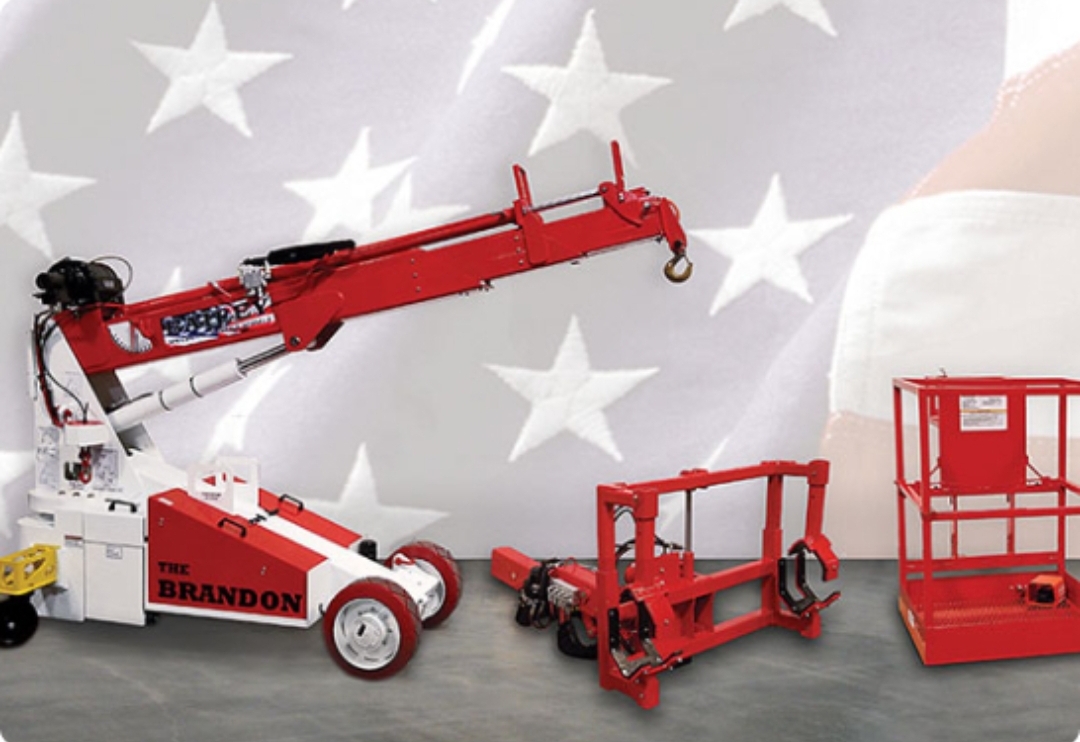
Bailey Cranes is a trusted manufacturer of advanced lifting solutions with over 20 years of experience. Located in Muskego, Wisconsin, we are a small business, owned by minorities and veterans, and are recognised for providing custom-engineered platforms across various industrial sectors. Having internal production and engineering capabilities enables us to react quickly to complex demand and offer a high level of quality and safety.
Bailey Cranes takes a consultative approach to help facilities choose the right lifting solution, rather than assuming every operation requires explosion-proof equipment. Our team begins by understanding the actual risks, work environment, and compliance needs of a facility.
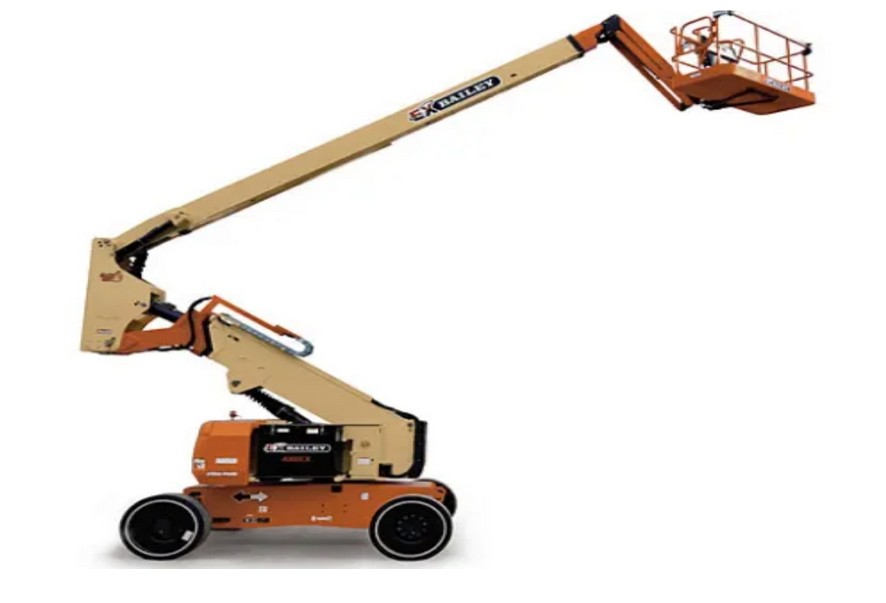
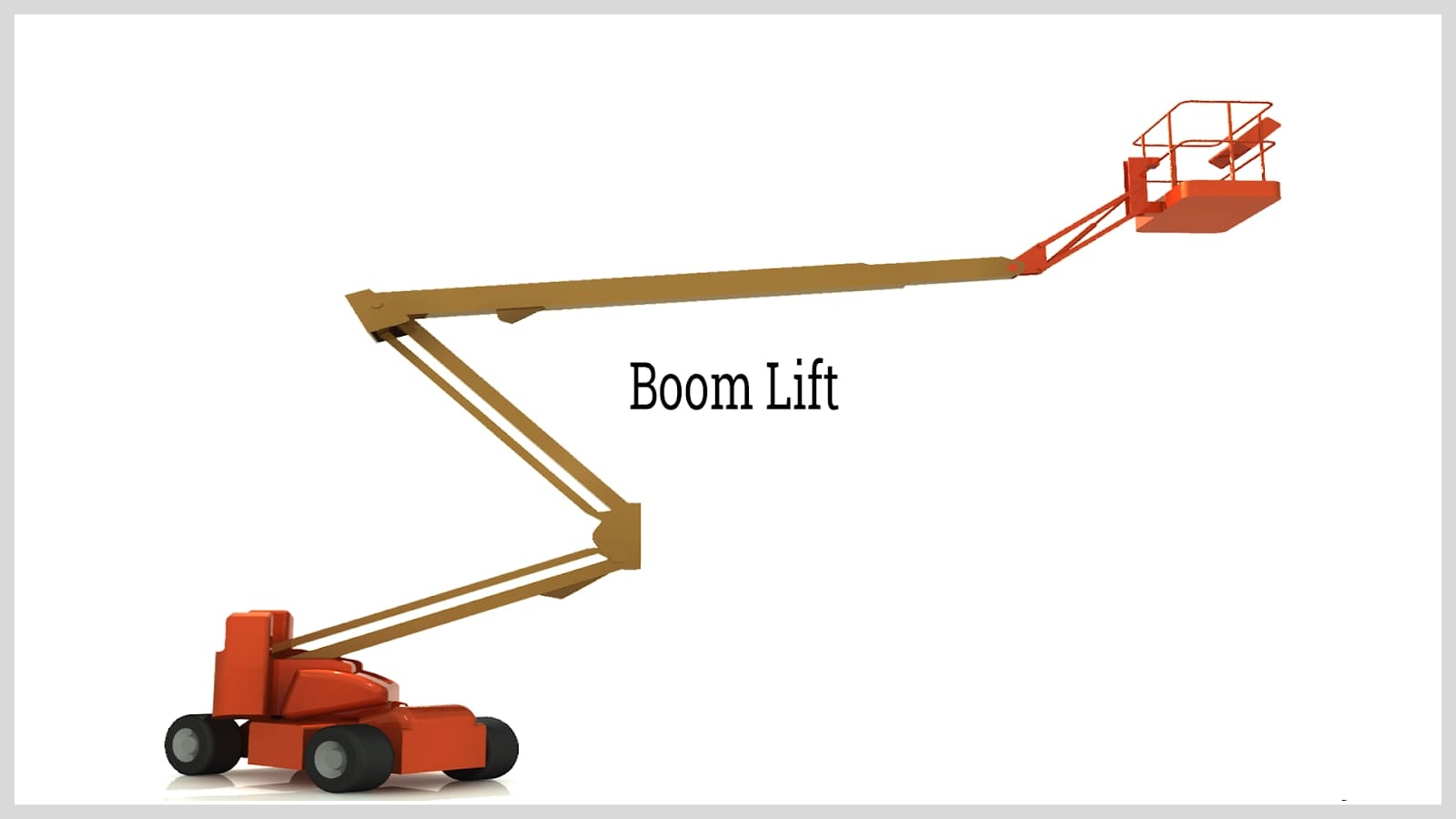
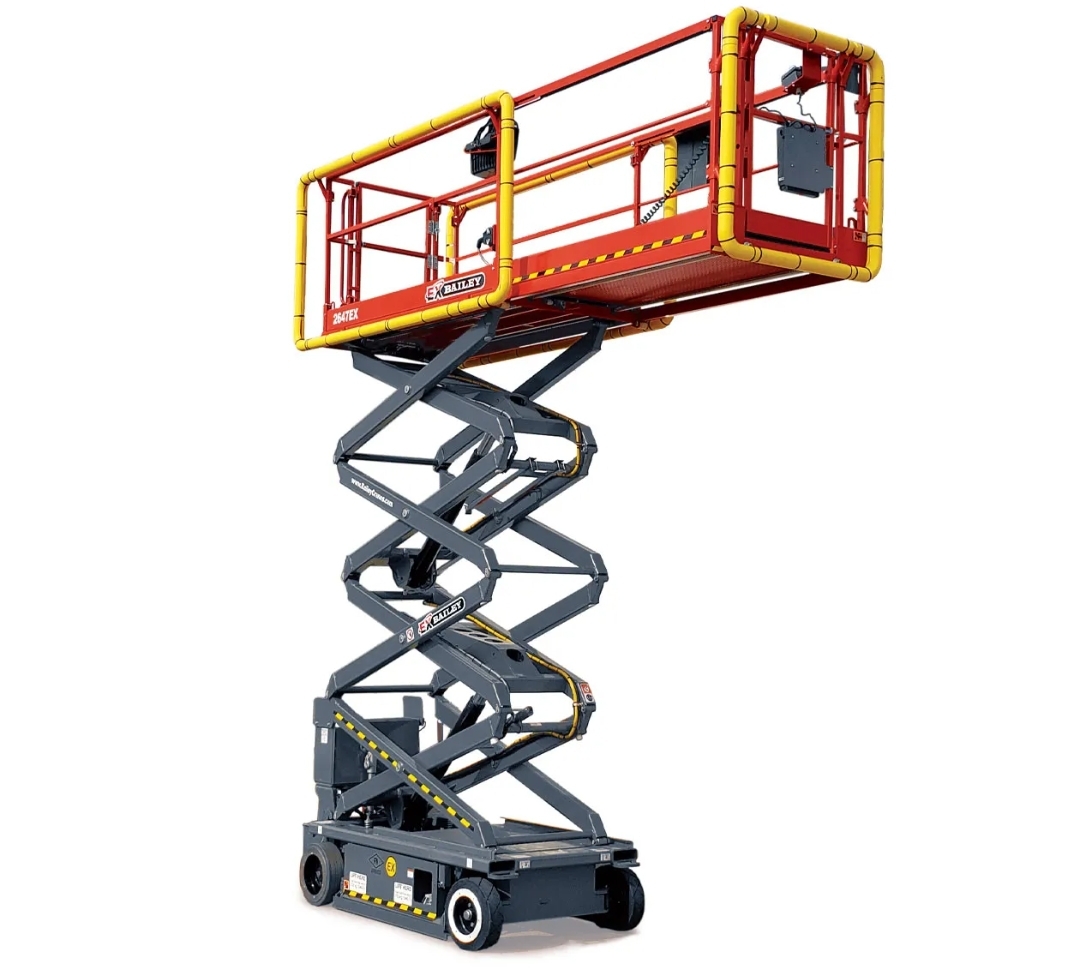
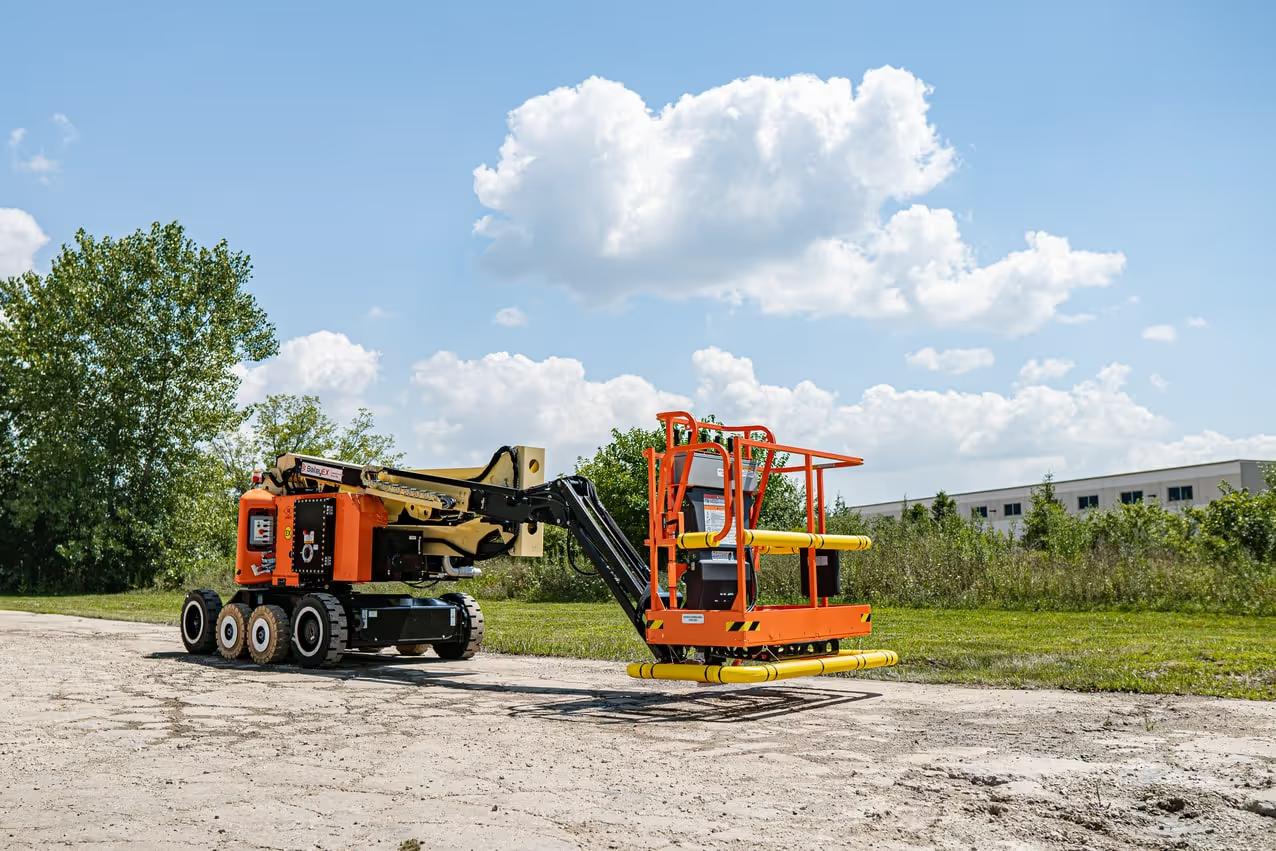
In the case of sites that genuinely face hazardous conditions, Bailey provides a wide range of explosion-proof boom and scissor lifts, including articulating, telescopic, and vertical models with working heights from 20 to 86 feet and lift capacities up to 1,000 lbs.
- What sets Bailey apart is our continuous innovation and new EX boom lift technology that replaces outdated hydraulic joystick systems with advanced electric controls, reducing maintenance issues and leak risks, while also meeting the latest NFPA and NEC requirements with shielded cabling and anti-spark features.
- Greater control over the motor management and an easy-to-use battery dashboard are additional reasons to be sure of reliability and safety in harsh conditions.
- In contrast to competitors who merely retrofit or modify existing machines or forklifts, Bailey designs all platforms to conform to ANSI and FM standards, starting with the groundwork and offering retrofitted and custom-built opportunities.
Where explosion-proof and MRO facilities lifts are not required, Bailey suggests standard or semi-specialised solutions, and organisations will only invest in what they actually need without compromising on the safety, compliance, and cost-effectiveness of the equipment.
Conclusion
To sum up, the fact that all MRO facilities should rely solely on explosion-proof lifts is a total myth than a fact. As we have noticed, these very specialized machines are crucial in an environment where flammable gases, dust, or vapours pose real safety hazards, but are not required in all operations.
Numerous MRO plants are operating under controlled conditions, in which normal lifts offer safe, reliable and compliant service without the extra cost and complexity of explosion-resistant construction. That is why it is so crucial to distinguish between fact and fiction because unverified myths may result in overinvestment, inefficiencies, and unnecessary loss of time and resources on operations. Meanwhile, the failure to identify hazards properly may put workers and facilities in severe danger. The correct direction is to pay attention to every worksite condition as well as to match equipment selection to its real requirements.
This is where Bailey Cranes comes in. Using a consultative method paired with engineering knowledge, Bailey assists facilities in determining when explosion-proof lifts are necessary and provides state-of-the-art, compliant solutions that lead the industry. Bailey directs facilities in contexts that do not require such specifications to adopt viable alternatives that are both safe and efficient. All said and done, not all MRO facilities need explosion-proof lifts; however, every facility needs clarity, precision, and an appropriate partner to make informed decisions.


.avif)