Operating in hazardous environments leaves no room for error. Facilities that handle flammable gases, combustible dust, or volatile chemicals must maintain strict safety controls while sustaining productivity. Selecting unsuitable access equipment can compromise safety, regulatory compliance, and operational continuity.
One of the most common questions faced by decision-makers is whether to choose an electric or hydraulic explosion-proof aerial lift. While both are designed for use in hazardous zones, their performance, maintenance needs, and suitability differ based on operational conditions. This guide explains the differences between electric and hydraulic explosion-proof lifts to support informed decision-making.
An Overview of Explosion-Proof Aerial Lifts
What Makes an Aerial Lift Explosion-Proof?
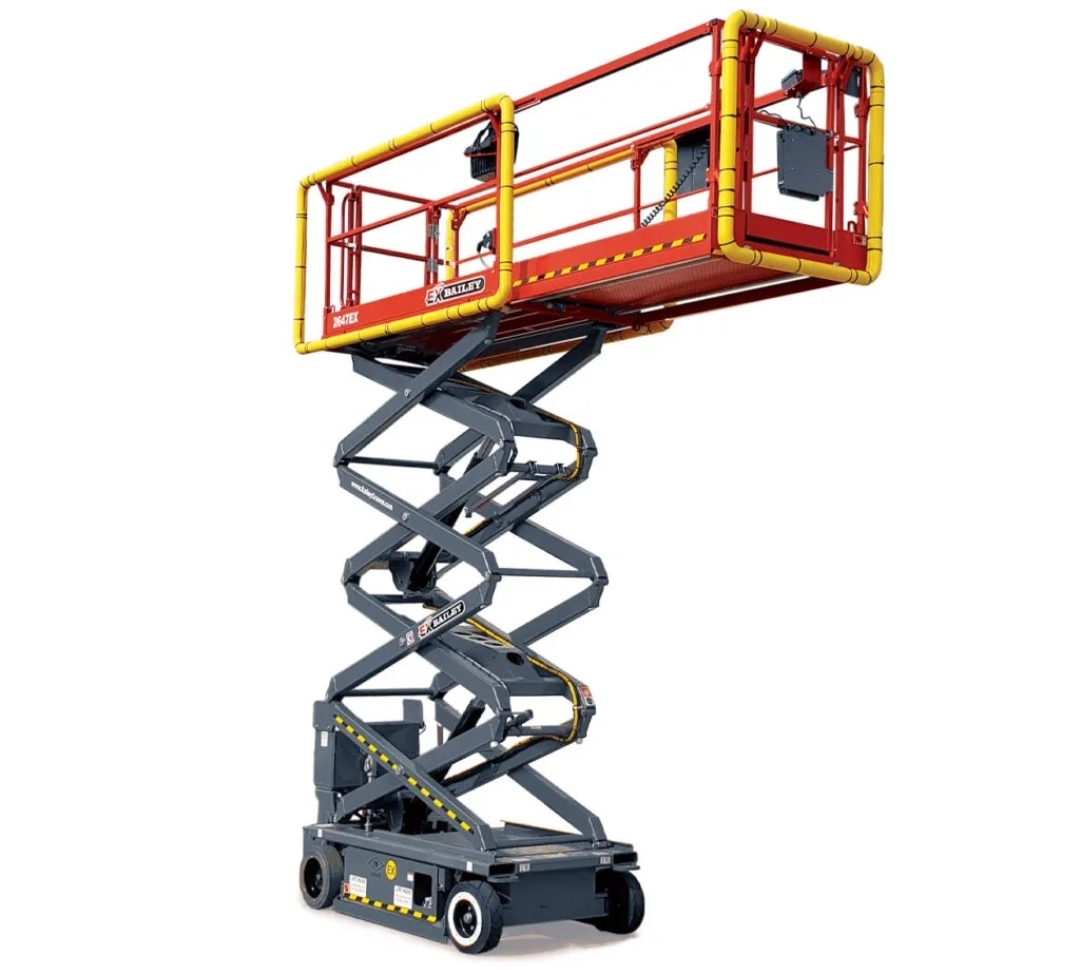
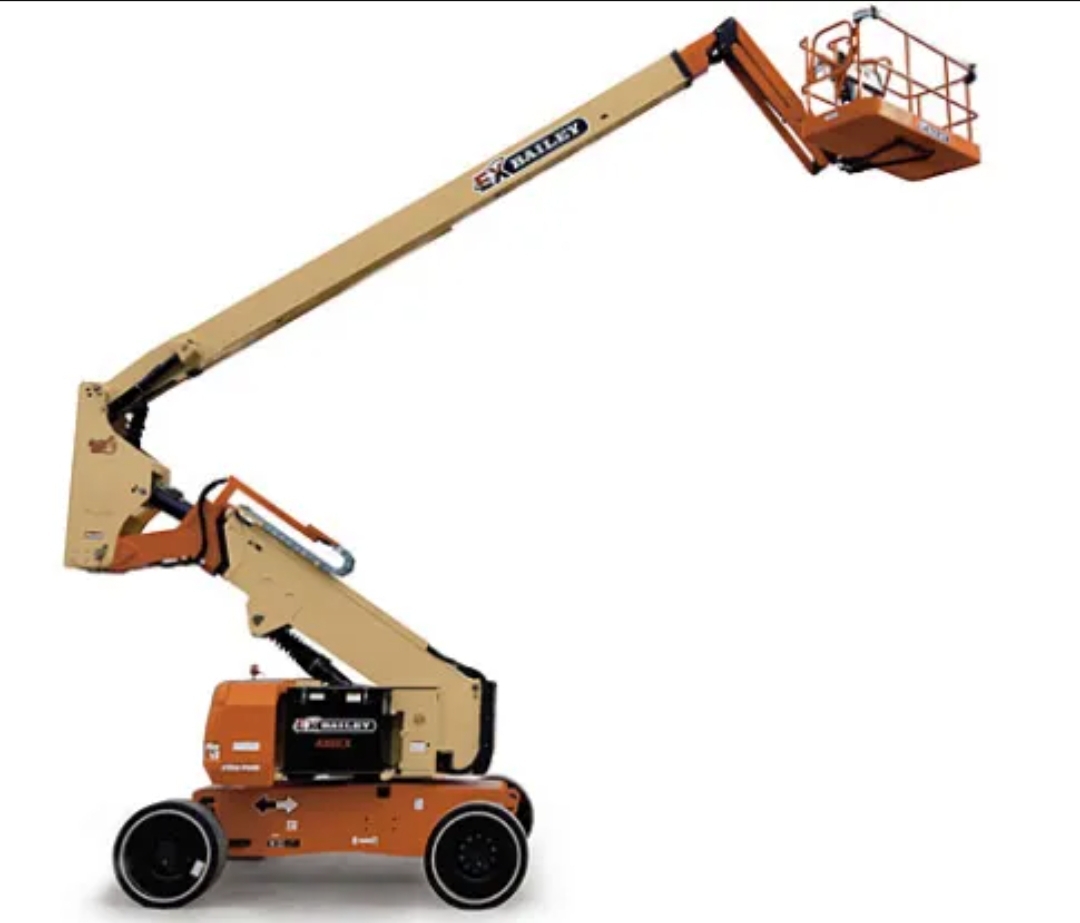
Explosion-proof aerial lifts, including explosion-proof scissor lifts, are engineered for environments where sparks, heat, or electrical faults could cause ignition. Their components are sealed, shielded, and protected to reduce ignition risk in sensitive work zones.
Industries Where Explosion-Proof Lifts Are Required
These lifts are regularly utilized in:
- Chemical processing plants
- Aerospace and defence environments
- Operations handling flammable materials
- Warehouses storing volatile substances
Electric Explosion-Proof Aerial Lifts: An Overview
How Electric Explosion-Proof Lifts Work
Battery-powered electric explosion-proof lifts are designed to generate minimal heat and eliminate sparking, making them suitable for enclosed or controlled environments.
Major Benefits of Electric Explosion-Proof Lifts
- Quiet operation for indoor facilities
- Zero emissions for cleaner environments
- Smooth, precise movement for controlled tasks
- Lower long-term energy expenses.
Restrictions on Electric Models
- Restricted run time based on the battery capacity
- Longer charging durations
- Less adaptability to tough outdoor uses.
Hydraulic Explosion-Proof Aerial Lifts: An Overview
How Hydraulic Explosion-Proof Lifts Work
Hydraulic explosion-proof lifts operate using pressurized fluid systems. These systems are designed for heavy-duty applications while maintaining safety in hazardous locations.
Major Benefits of Hydraulic Explosion-Proof Lifts
- High-load handling capacity
- Reliable operational performance in extreme environments.
- Suitable for extended operation cycles
- Increased access to complicated elevation demands.
Drawbacks of Hydraulic Models
- Noise level is higher compared to electric units.
- Risks of leakage of fluid when not well-maintained.
- Generally has greater operating expenses.
Electric vs Hydraulic Explosion-Proof Aerial Lift: Fundamental Dissimilarities
- Power Source and Operational Efficiency
Electric lifts rely on stored energy, which makes them energy efficient when it comes to short- to medium-length tasks. On the other hand, hydraulic explosion-proof aerial lifts provide unending power applicable in more demanding and lengthy operations.- Hazardous and Confined Space Performance
Electric models function efficiently in enclosed areas where air quality and noise control matter.
Hydraulic lifting systems
are suitable for open or rugged environments that require strength and endurance.- Noise Levels and Operator Comfort
Electric lifts are quiet, making them the best option in confined facilities. Hydraulic systems are more sound-producing systems that might need planning in case of noise-sensitive locations.- Load Handling and Reach Capabilities
Hydraulic lifts usually support heavier loads and greater reach, while electric lifts prioritize controlled movement and precision.
Safety and Compliance Measures
- Explosion-Proof Safety Standards
Both lift types are constructed to comply with high safety and compliance standards when specifications and maintenance are done correctly.- Volatile Work Zone Risk Management
Selecting the appropriate power system helps minimize the chances of ignition and supports general safety preparation in dangerous areas.- Control Responsiveness and Operator Safety
Responsive controls, emergency systems, and stable movement are essential for operational security during elevated operations.
Maintenance and Long-Term Ownership Factors
- Operational Upkeep Standards for Electric Aerial Lifts
Electric lifts usually need less mechanical maintenance but are very sensitive to battery conditions and electrical components.- Hydraulic Aerial Lifts Maintenance Requirements
Consistent monitoring of hydraulic components, including hoses, seals, and fluid systems, helps avoid leaks and performance issues.- Impact of Downtime and Service Availability
When maintenance access is simplified, equipment uptime improves due to fewer delays and reduced disruptions.
Cost Comparison: Short-term and Long-term Investment
- Initial Acquisition Costs
Electric
often have higher upfront costs due to advanced battery systems and electronic controls.- Operating and Energy Costs
Operating costs are typically lower for electric models, whereas hydraulic systems can be costlier because of fuel consumption and maintenance requirements.- Maintenance and Lifecycle Services
Long-term value depends on usage patterns, service schedules, and environmental conditions.
Environmental and Facility Specifications
- Indoor vs Outdoor Facility Requirements
Electric lifts should be used for indoor purposes and hydraulic lifts should be used in open places or on irregular surfaces.- Clean Operations and Emission Concerns
For facilities focused on maintaining cleanliness, electric systems are usually the preferred choice.- Applicability to Sensitive Manufacturing Conditions
Electric lifts are ideal in environments that require controlled movement and high cleanliness standards.
How Bailey Cranes Supports Explosion-Proof Access Solutions
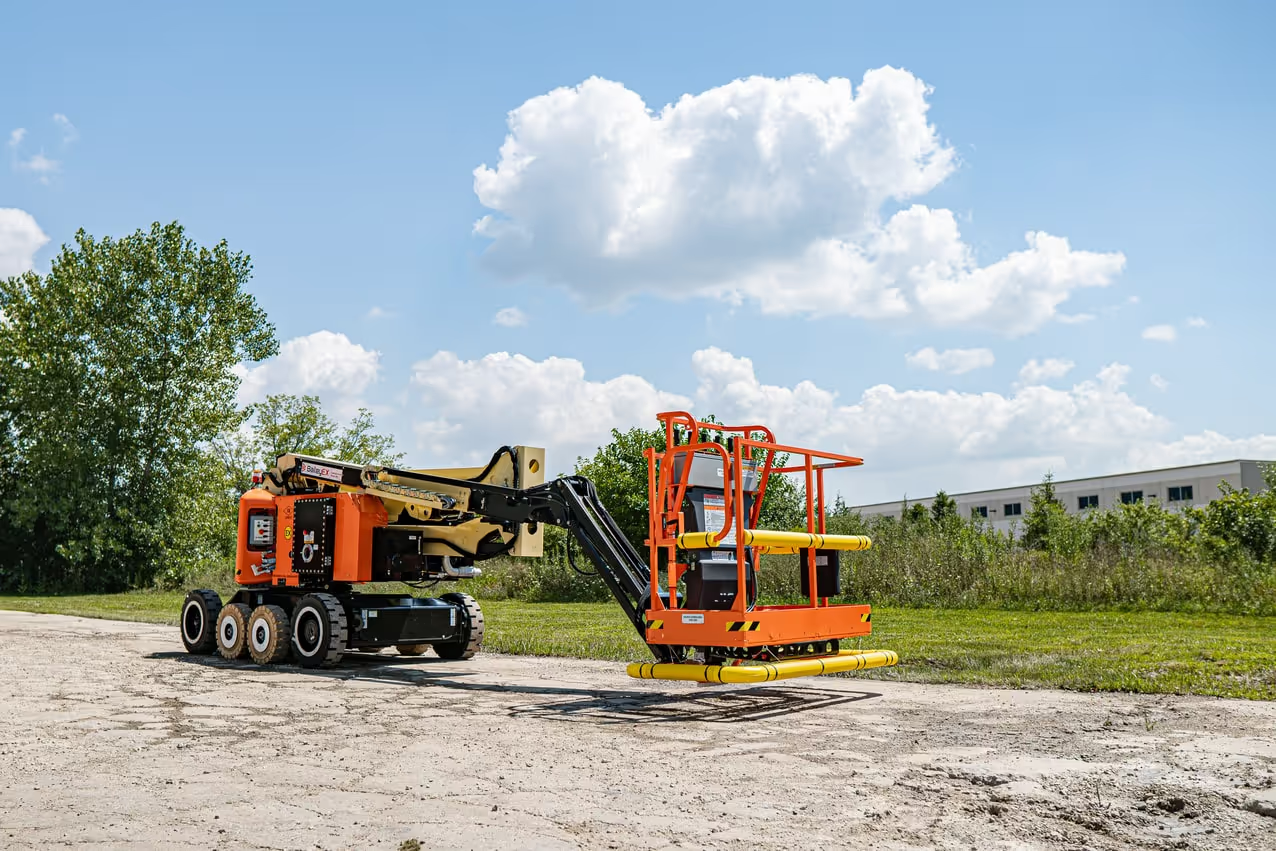
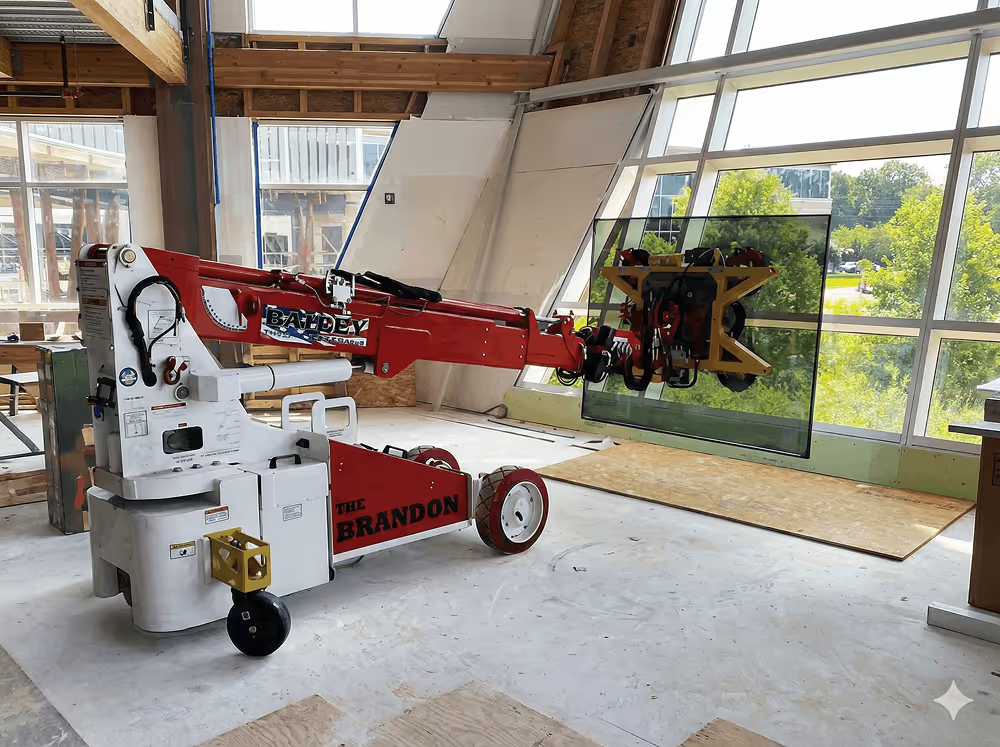
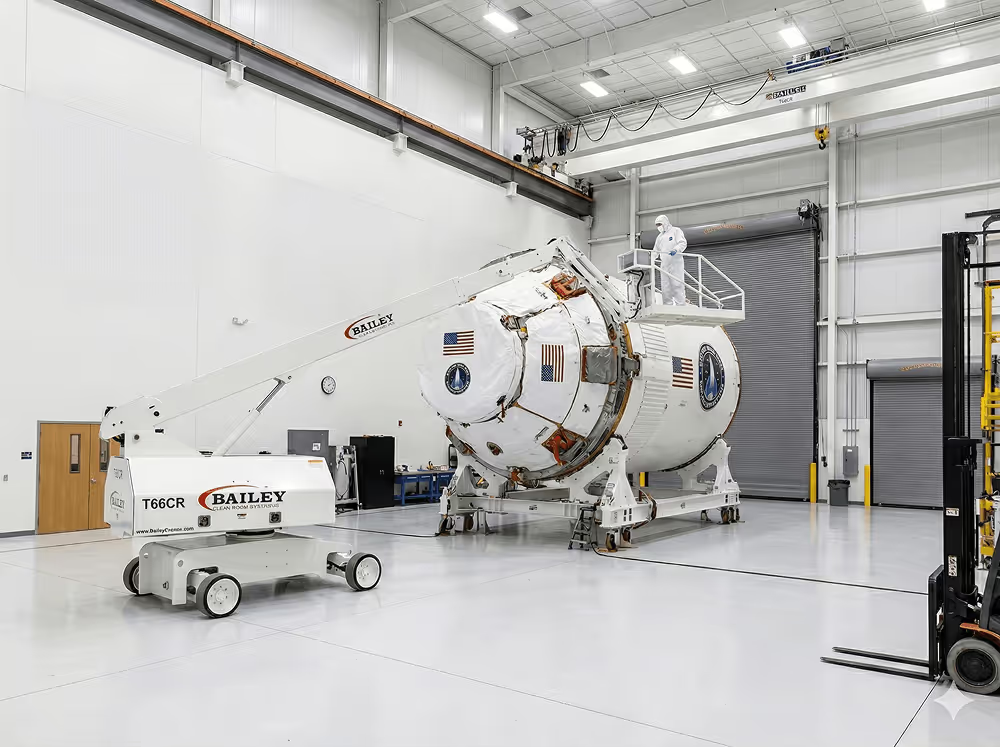
Bailey Cranes designs and manufactures specialized mobile elevating work platforms for high-risk industries such as aerospace, defense, and other hazardous manufacturing environments. With decades of experience, Bailey focuses on safety, reliability, and operational clarity. Each solution is engineered for real-world conditions, with accessible inspection points, simplified maintenance, and consistent performance in challenging environments.
Conclusion
There is no single solution when choosing between electric and hydraulic explosion-proof aerial lifts. The right choice depends on facility layout, operational demands, safety priorities, and long-term cost considerations. By evaluating performance under actual working conditions, decision-makers can select equipment that maximizes safety, efficiency, and uninterrupted operations. Bailey Cranes plays a major role in designing both types of explosion-proof aerial lifts based on your business needs and operation requirements.


.avif)