How LIDAR Collision Avoidance Systems Are Changing Lift Safety in Aerospace Manufacturing
January 31, 2026
As aerospace manufacturing moves toward tighter tolerances and more automation, traditional crane safety methods are no longer enough. Sensitive components, restricted spaces, and high-value assemblies demand intelligent, real-time hazard control, not just operator awareness.
LiDAR-based crane collision avoidance systems bring a new level of precision and situational awareness. With dynamic field mapping and automated response logic, these systems help cranes navigate complex aerospace environments safely and predictably.
In this blog, we’ll break down how LiDAR collision prevention works, why aerospace facilities require enhanced safeguards, the key capabilities of modern overhead crane anti-collision systems, and how innovators like Bailey Cranes are redefining safety and control in critical manufacturing spaces.
Importance of Crane Collision Avoidance System in Aerospace Manufacturing
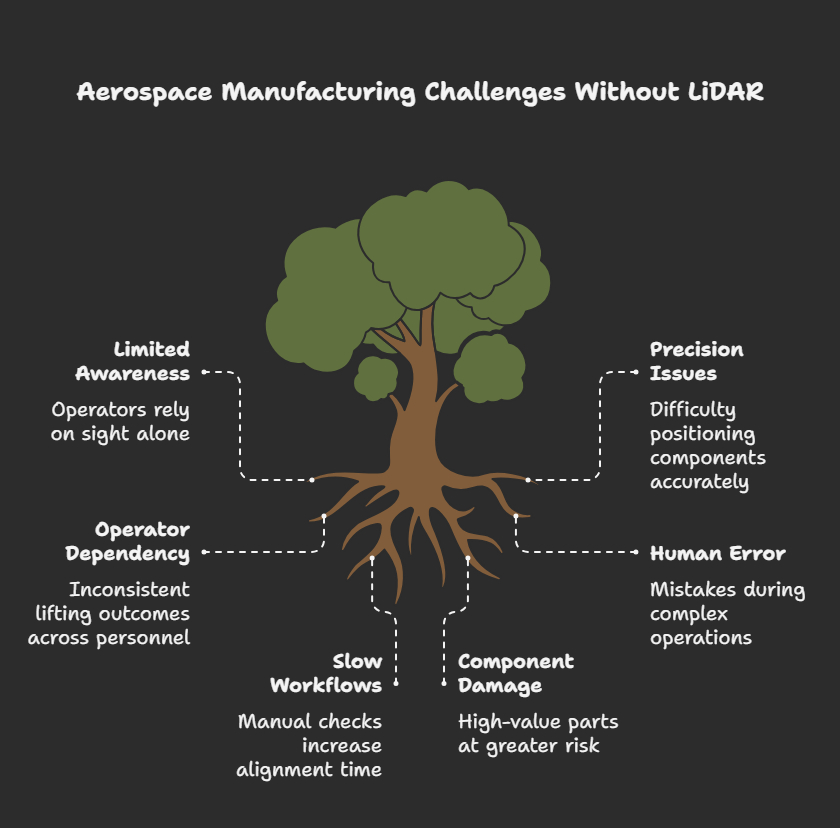
A precise workflow takes place in aerospace manufacturing. It means even a smaller deviation due to the dust or any movement results in compromising the accuracy and damage to the high-value components or even stopping the production. That’s the main reason aerospace facilities demand a new level of crane safety far beyond the industry expectations. Traditional sensor systems often struggle with reflective surfaces, tight aisles, or low-contrast environments.
LIDAR brings higher resolution and 3D awareness, making it reliable for cranes to move safely even without the layout changes.
To protect people and aerospace components in shared spaces, a modern overhead crane collision avoidance system gives the strength and helps teams
Prevent accident bumps and near misses
maintain a consistent manufacturing flow.
Protect workers and ground objects or vehicles in shared zones
Ensure predictable crane behavior
The above-mentioned level of safety is more than a requirement; it becomes a foundational necessity in aerospace manufacturing operations.
LiDAR vs. Traditional Crane Safety Sensors
Ultrasonic, infrared, and basic camera systems have served crane safety for years, but aerospace manufacturing environments push them beyond their limits.
Wider Detection Range LiDAR covers long bays and wide operating areas with fewer blind spots, giving crane collision avoidance sensors a broader field of view.
Higher Resolution for Complex Shapes Curved aircraft parts, irregular tooling, and composite surfaces are hard to read with simple sensors. LiDAR maps these shapes with greater clarity.
Reliable in Challenging Conditions Reflective metals, shadows, glare, and dust can trigger false alarms in older systems. LiDAR maintains stability, reducing unnecessary stops.
Collision Avoidance Systems for Cranes: Why LiDAR is Suitable for Aerospace Manufacturing
Aerospace manufacturers prefer LiDAR because it adapts easily to complex environments and delivers the reliability required for high‑value workflows.
Higher Uptime, Fewer Interruptions By preventing collisions, LiDAR‑enabled systems reduce downtime, limit repairs, and help maintain consistent production cycles.
Better Protection for High‑Value Parts Engines, wing structures, molds, composite assemblies, and interiors are extremely costly. LiDAR helps crane collision avoidance systems prevent small bumps that can trigger expensive rework.
Supports Automation and Semi‑Autonomous Lifting Aerospace facilities increasingly rely on guided motion. LiDAR provides precise data for automated crane travel and controlled positioning.
Safer Shared Workspaces With People and Robots With technicians and automated carts moving beneath the crane, crane collision avoidance sensors help detect potential hazards and slow or stop crane movement proactively.
Works in Tight, Complex Environments Aerospace plants include jigs, fixtures, racks, and tooling placed close together. LiDAR handles these conditions far better than traditional sensors.
Scales Across Multiple Crane Types LiDAR integrates smoothly with single‑girder, double‑girder, gantry, and workstation cranes, making it easy to standardize crane anti-collision systems across the entire facility.
Bailey Cranes: Advanced Safety-Engineered Solutions for Aerospace Manufacturing
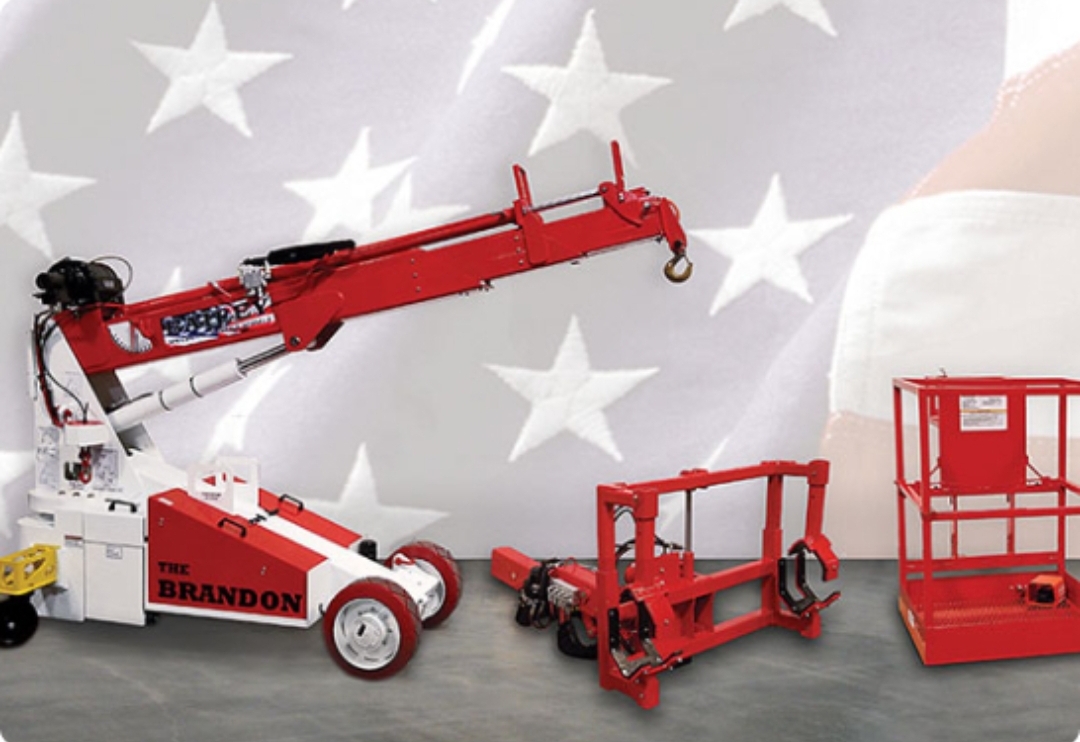
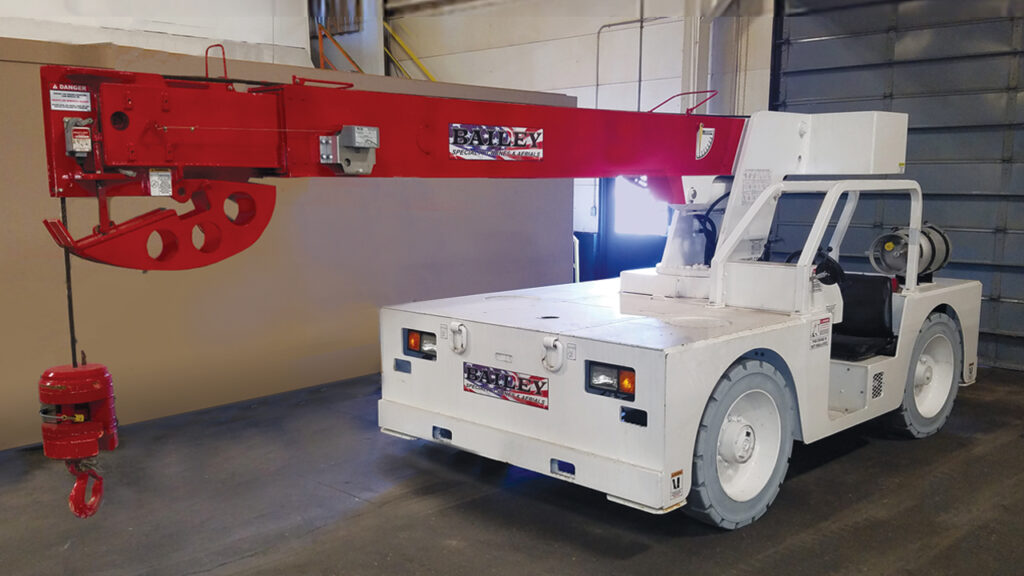
Bailey Specialty Cranes & Aerials is an innovation-driven partner in the United States, trusted by some of the most demanding and mission-critical environments. As aerospace manufacturing moves toward tighter tolerances, delicate assemblies, and automated workflows, cranes must deliver intelligent, situationally aware motion control.
Bailey meets this need with advanced LiDAR-driven crane collision avoidance systems and automated safety logic that ensure every movement is controlled, predictable, and safe around high-value components.
Bailey’s Safety and Control Technologies
Hazardous Environment Rated — Class 1 Division 2
Outdoor ANSI Rating
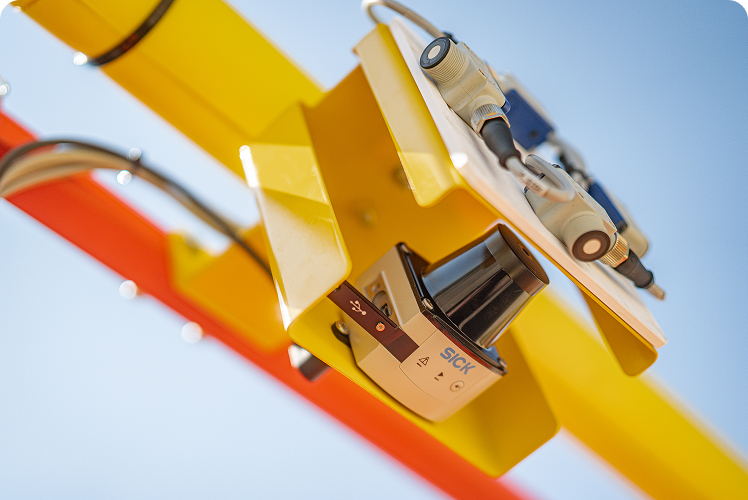
2D LiDAR Collision Avoidance with Dynamic Field Mapping
Auto-Adjusting Safety Zone (Height + Extension Aware)
Smart Stamp Zone – Progressive Collision Response
Auto Halt- Stop crane movement instantly
Ultrasonic Assist — Enhanced Detection Layer.
Conclusion
LiDAR-enabled collision avoidance systems are redefining crane safety in aerospace manufacturing by enabling more controlled and reliable operations. While adopting these collision avoidance systems for cranes may require technical alignment, data readiness and operator training.
As aerospace facilities continue shifting toward automation and higher‑precision lifting, LiDAR‑powered overhead crane collision avoidance systems will play an increasingly central role in achieving safe, consistent, and efficient lift operations.
Ready to lift your service?
Contact our sales team to see how we can build out a custom design for your application today.
Partner with Bailey to transform proven platforms or build fully custom lifting solutions—engineered, manufactured, and supported under one roof for mission-critical environments where failure is not an option.
Bailey Specialty Cranes & Aerials is a Service-Disabled Veteran-Owned engineering and manufacturing firm based in Muskego, Wisconsin. We specialize in precision access solutions for industries where the margin for error is zero.


.avif)