Behind every crane operation lies a risk far greater than the weight being lifted. One wrong move can turn precision into chaos. This chaos could take the form of steel colliding with steel, expensive shutdowns interrupting work and safety being at stake. In the current stressful work environment, where every lift needs to be perfect, collision avoidance is not just an added precaution, but the main differentiator between a well-functioning engine and a recipe for a brewing disaster.
As work sites grow more sophisticated and become characterised by an increasingly complex layout, a heavier lift, and two or more cranes in the same place, the window of opportunity is narrower than ever. This is where a properly selected crane collision avoidance system can make a difference to operations in many different industries.
The appropriate system not only prevents accidents but also builds confidence in everyday routines. It assists operators to be precise in their tasks, minimises delays in a project, and helps to ensure projects are completed on time. You help your team manage risk proactively and the overall performance of the team, rather than leaving it to luck.
Here in this guide, we are going to discuss the importance of a crane anti-collision system, what aspects you should take into consideration when choosing one, and how to align proper technology with your unique operational needs to create a safer, smarter, and more efficient work environment.
Why Collision Avoidance Matters in Crane Operations?
Contemporary worksites are busier, crammed, and more stressful than ever. With the use of multiple cranes, heavy equipment, and labourers working within a close vicinity, even a small impact can create considerable delays or expensive repairs, not to mention the potential security hazards.
- In addition to the safety of people, collision avoidance systems contribute to the safeguarding of valuable equipment and can avoid cases of unplanned downtime that may take down the whole project.
- Crane collision avoidance is crucial for the safety of cranes; well-developed systems will increase their efficiency and confidence of accurate operation with a lower likelihood of an accident and on-schedule productivity.
- In a competitive world where profitability is determined by safety and efficiency, collision avoidance is no longer a matter of regulatory compliance, but is the means to implement smarter and safer operations daily.
Key Factors to Consider When Choosing a Collision Avoidance System
During the process of choosing an overhead crane collision avoidance system, decision-makers should critically evaluate multiple important aspects to make sure that a particular solution suits the unique demands of their operation.
- This should begin with analysis of the layout of the worksite and space limitations, and whether the systems are capable of operating in an open office and enclosed space.
- Critical roles are also played by the type of cranes in use, either overhead, gantry, or tower, as each type has specific movement patterns and safety requirements.
- The load handling requirements should also be taken into account, particularly when heavy, oversized, or delicate materials are being lifted, as they impact the degree of precision the system requires. Adequate level of automation is another consideration.
- Lastly, it should augment and intercommunicate with the current safety solutions to offer a uniform and dependable safety mechanism, minimising hazards without interfering with constrained operations.
Such a comprehensive assessment would mean that the selected solution helps to improve safety levels and would bring out effective operations of a crane at the same time.
Industry Use-Cases That Demand Collision Avoidance
In most of the industries, collision avoidance systems are not optional, but are a prerequisite to secure people, equipment, and material in busy and complex environments. Some of the most important real-world applications are listed below:
1. Aerospace Manufacturing Facilities
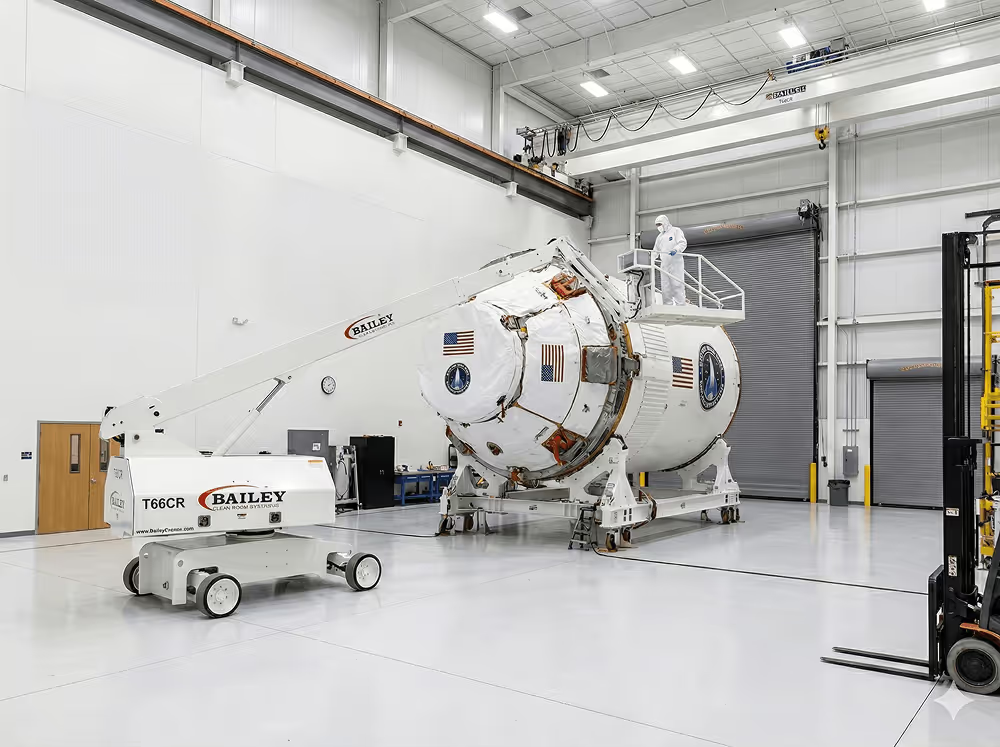
A small lapse during aerospace manufacturing may result in expensive delays or breakages of valuable parts. The cranes are often involved in the movements of large, delicate sections, e.g., fuselages or engine assembly, in confined areas. Crane collision avoidance sensors provide safety, reliability, and accuracy of handling, eliminating the chance of clashes, hence putting the equipment to the highest standards of safety and reliability.
2. Shipping Yards and Ports
Every day, ports process thousands of containers, and it is common to see several cranes working in parallel. There is a high probability of crane-to-crane collision or accidents that may occur on stacked containers. By utilising collision avoidance systems, operations are easier to coordinate, less downtime is experienced, and the movement of goods continue smoothly.
3. Tight Layouts in Warehouses
Typically, in warehouses, space limitations force the use of cranes or automated lifting mechanisms near storage racks, walls, or other handling machinery. An accident may destroy products, interfere with supply chains, or injure personnel. With avoidance systems, more rational transportation is permissible in these cramped systems without damage to either inventory or infrastructure.
4. Infrastructure Projects and heavy construction works
In construction sites, cranes have to work in unstable environments where workers, vehicles, and machines are actively moving around. Collision avoidance helps reduce the risk of collisions. This not only helps to improve safety, but also maintains timelines in the project.
How Bailey Cranes Approaches Collision Avoidance?
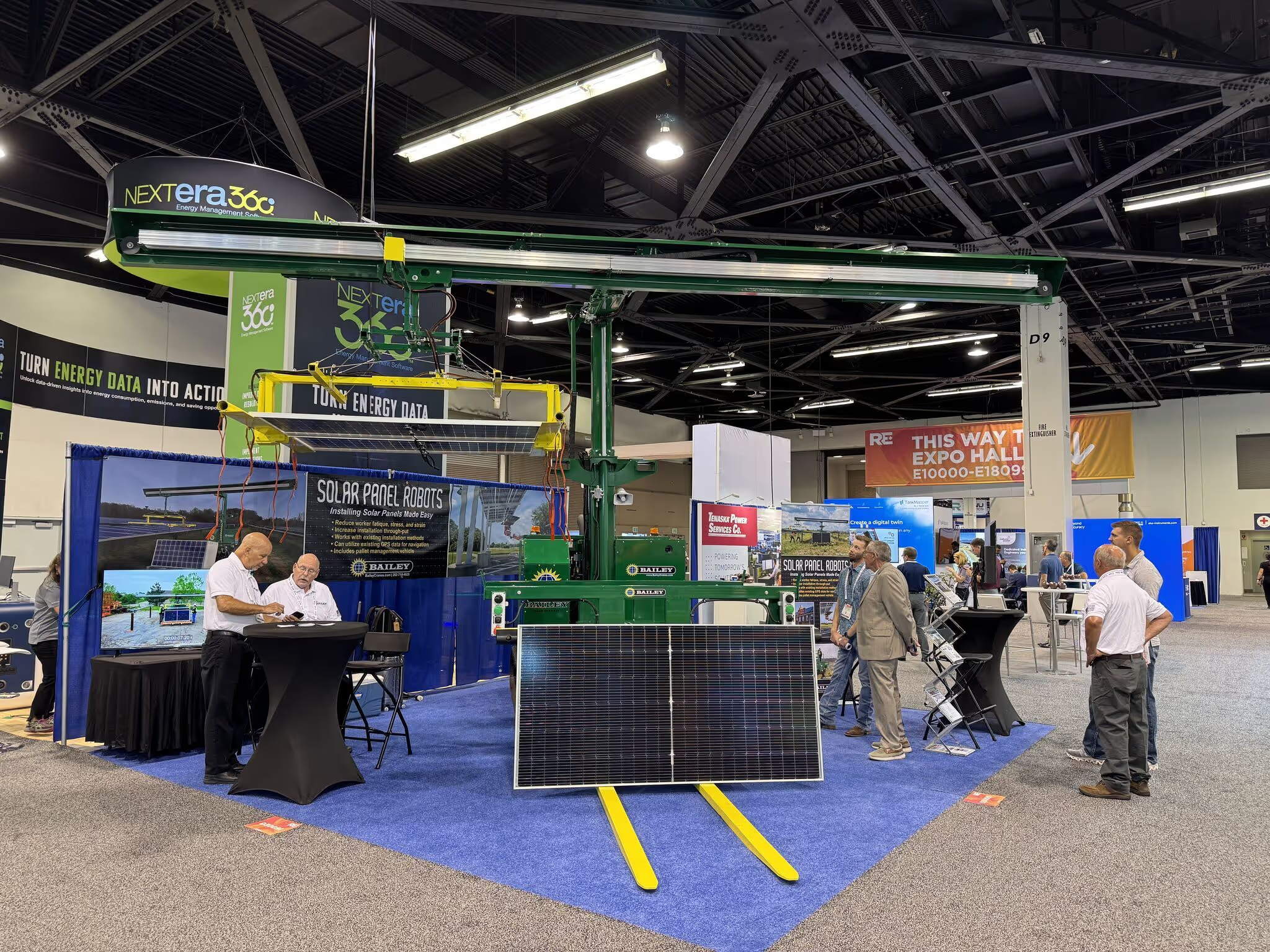
Bailey Cranes is a veteran-owned small business based in Muskego, Wisconsin. Since 2010, Bailey Cranes has always focused on designing and building reliable Mobile Elevating Work Platforms (MEWPs) and custom cranes for specialised industries.
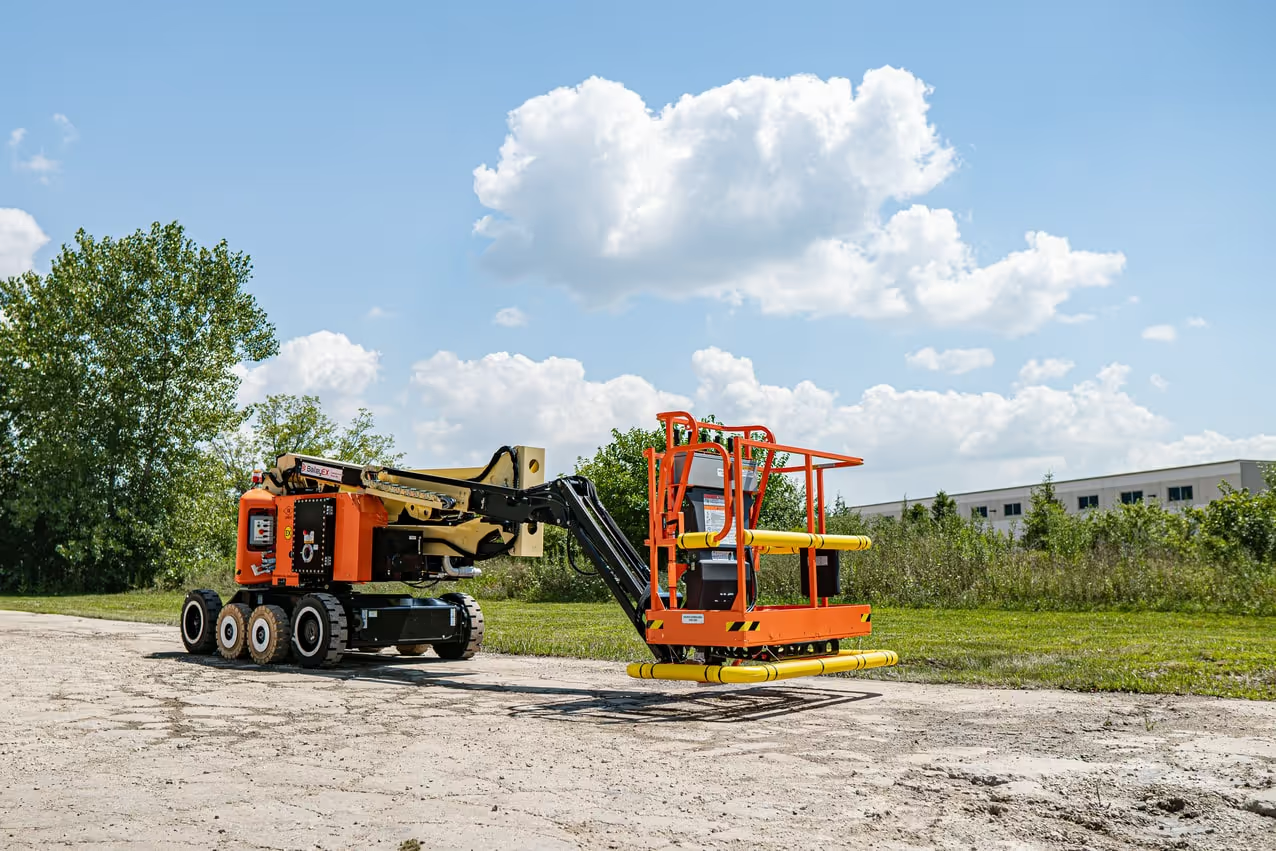
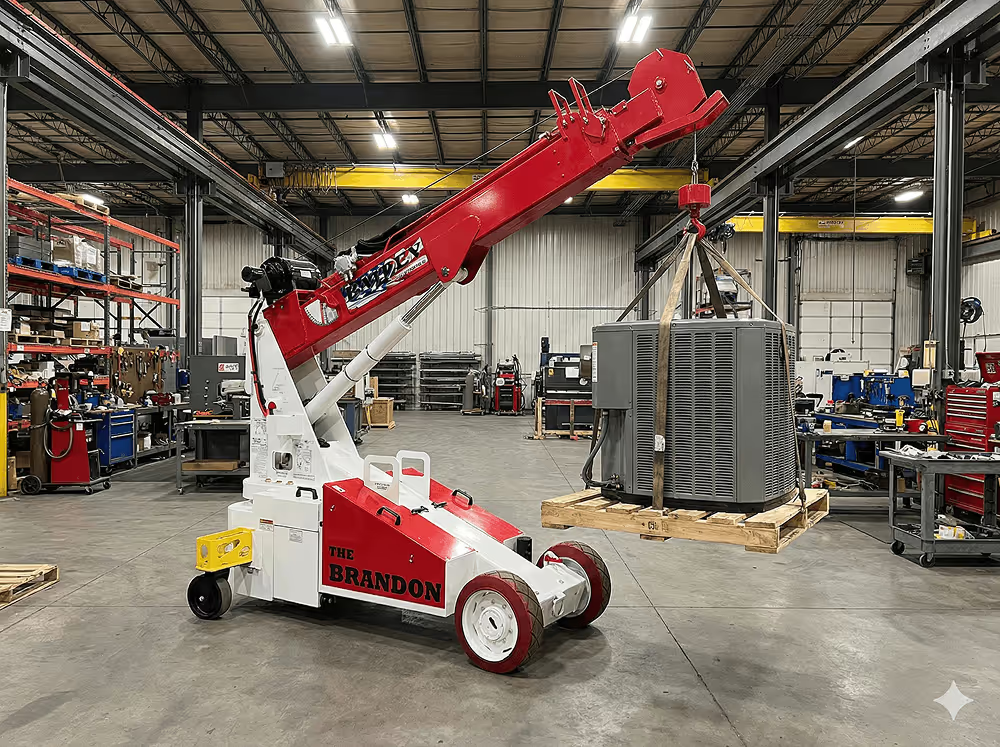
At Bailey Cranes, we take into consideration that no two lifting challenges can be completely alike. Our team is qualified in the design and construction of bespoke-engineered cranes and Mobile Elevating Work platforms (MEWPs) that will suit even the toughest operational requirements.
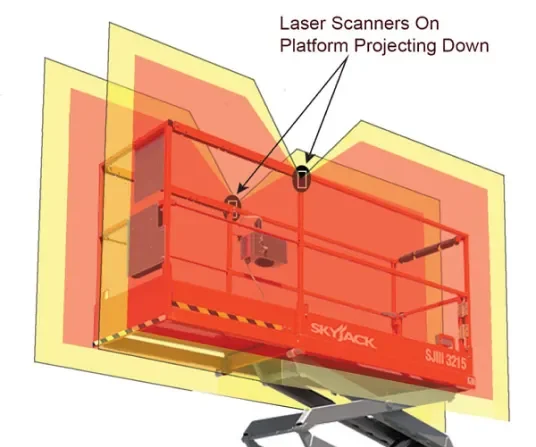
The mission of collision avoidance at Bailey Cranes is straightforward: save your people, save your equipment. Advanced safety technologies, coupled with designs that address the challenges of the real-world jobsites, make our systems engineered to prevent accidents before they occur. Our solutions automatically establish a protective field around your lifts using integrated laser sensors, intelligent zone mapping, and override controls to ensure that no contact is made with people, equipment, or structures.
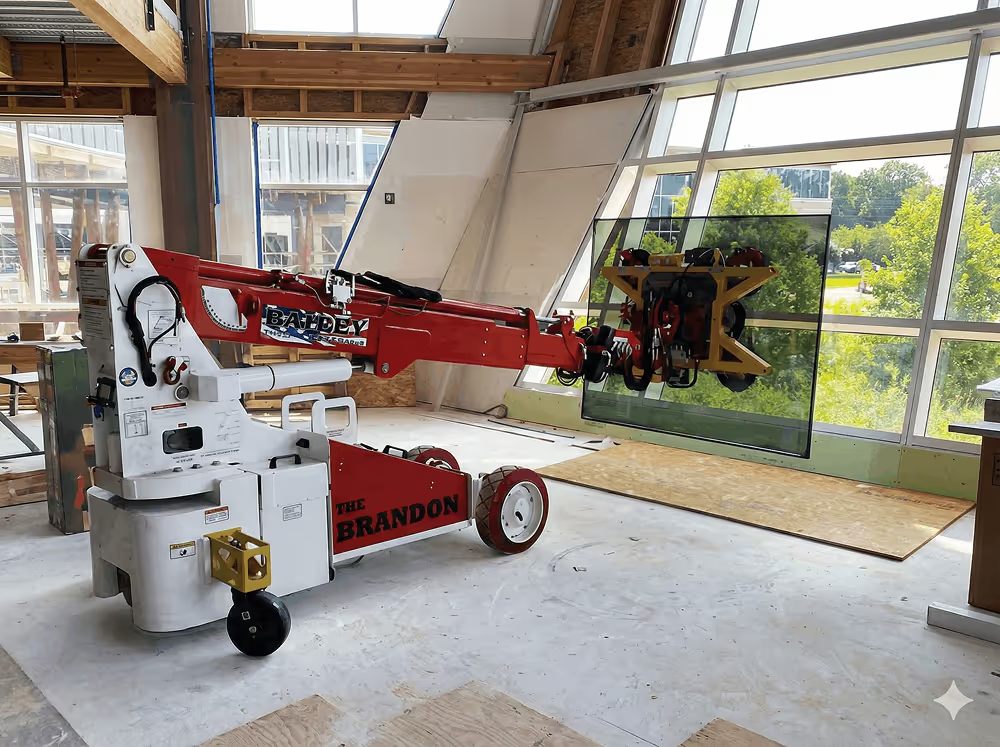
The difference with Bailey is how we personalise the systems to cater to every individual worksite. With a crowded warehouse, a cluttered construction yard, and a specialised glass-handling shop, our solutions team will customise every collision avoidance system to fit into your operations. Proactive safety is built into every model we ship. By continuously monitoring the lift stages, issuing user-friendly alerts, and minimising wasteful wear through operator incentives, our equipment allows lifts to operate smoothly.
Conclusion
With the increasing complexity of industries, the necessity for crane collision avoidance systems to be reliable has never been greater. Using the right system has now become a necessity rather than an option for maintaining projects on schedule and ensuring people’s and equipment’s safety.
At Bailey Cranes, we have a track record of designing and integrating the new advanced collision avoidance systems that adjust to the unique problems of every work site. We have systems that are more than compliant because our technologies ensure precision, safety, and an operation that is easy on the users. We offer customization, performance, and long-term reliability, which makes us stand out from the crowd and makes Bailey Cranes the top choice of companies aiming to operate with smartness, safety, and efficiency.
Contact Bailey Cranes for help choosing the ideal customised lifting equipment that will meet the safety standards of various industries, and offer advanced collision avoidance systems.
To learn more about our lifting solutions, contact Bailey Cranes at 262-710-4028 or email us at sales@baileycranes.com. We have an experienced team of professionals who will guide you to make the appropriate choice of lifting equipment.


.avif)