Safety and accuracy are not a choice but a necessity in aircraft maintenance facilities. These two principles form the foundation all operations. To ensure this, adherence to the regulatory standards of such bodies as OSHA (Occupational Safety and Health Administration), NFPA guidelines (National Fire Protection Association), and UL (Underwriters Laboratories) is essential.
These standards are designed to protect the workers against risk, provide reliability of equipment and processes, and maintain the legal compliance within AM facilities . However, a single lapse in such high-risk environments can have severe outcomes, such as workplace hazards, equipment failure, and threaten the well-being of workers. That’s why regulatory compliance is not just about meeting legal requirements; it’s a core strategy for protection, efficiency, and sustainability.
This blog will discuss the applicability, relevance, and importance of OSHA, NFPA, and UL guidelines to the regulatory compliance in aircraft maintenance facilities and how business organizations can maneuver around them.
Understanding OSHA Standards for Aircraft Maintenance
OSHA lays the foundation for the safety of work environments in any industry, and its contribution to aircraft maintenance facilities’ compliance is of paramount importance:
- By setting and implementing OSHA standards, these facilities ensure that the workers are not exposed to frequent dangers present in hangars, such as heavy lifting activities, handling of dangerous substances, and general safety of the workplace.
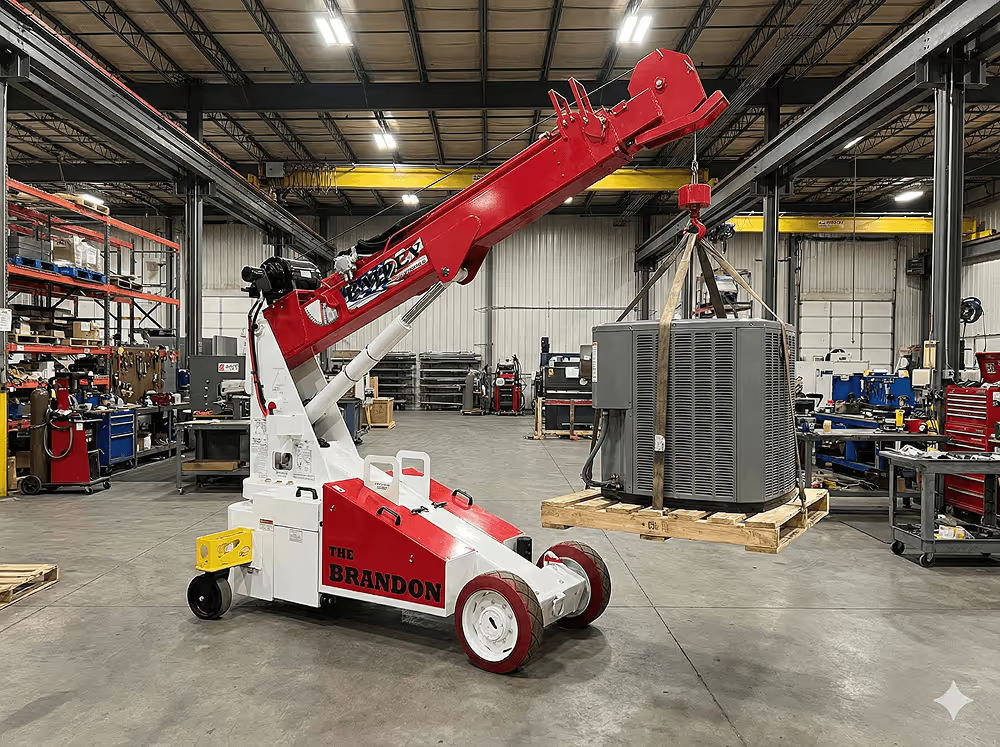
- In relation to lifting operations, OSHA guidelines for aircraft maintenance facilities must be applied properly, and operators must be trained on their use, and frequent inspection must be conducted to avoid accidents that occur due to either equipment failure or misuse.
- In the case of dangerous substances like fuels, solvents, and cleaning products, OSHA regulations provide safe storage and disposal to reduce exposure to fire, spillage, or risks.
Besides that, OSHA guidelines also focus on the safety of workers by setting standards of clear walkways, adequate ventilation, and fall protection, as well as the use of personal protective equipment.
Integrating NFPA Standards and UL Certification for Safer Aircraft Maintenance Facilities
Fire and explosion hazards are always a concern in the aircraft maintenance facilities because of the existence of fuels, vapours, and other inflammable substances.
- These dangers are reduced with stringent guidelines established by the National Fire Protection Association (NFPA) to emphasise fire safety, electrical systems, and handling of combustible materials with care.
- Adherence to the NFPA compliance in the aviation industry is also used to make sure that facilities embrace appropriate safety measures like ventilation systems, spark-resistant equipment and well-defined fire protection measures, which will minimise the risk of accidents.
- In conjunction with that, UL (Underwriters Laboratories) certification is significant in making sure that the equipment deployed in these extremely hazardous settings, lifts, electrical systems, and safety devices are tested to be dependable and safe.
By combining NFPA standards of hazard management with UL-approved equipment, facilities can develop a safer, more reliable environment that does not harm workers or assets, and still, remains within the regulatory bounds.
Following OSHA, NFPA, and UL Standards For Bailey Cranes’ Solutions
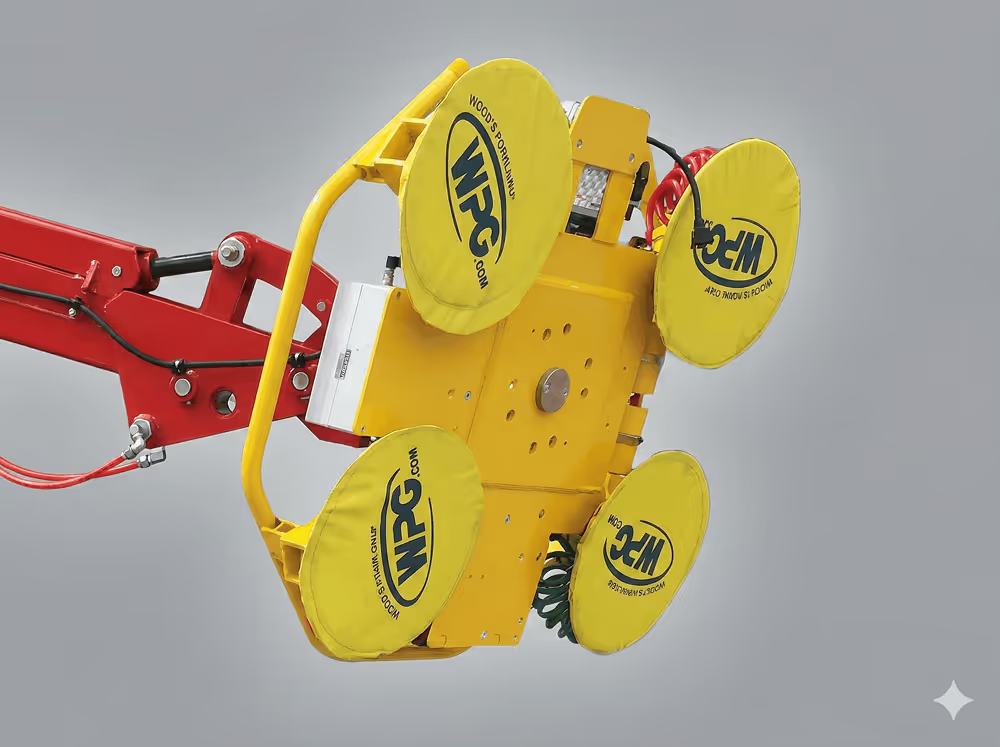
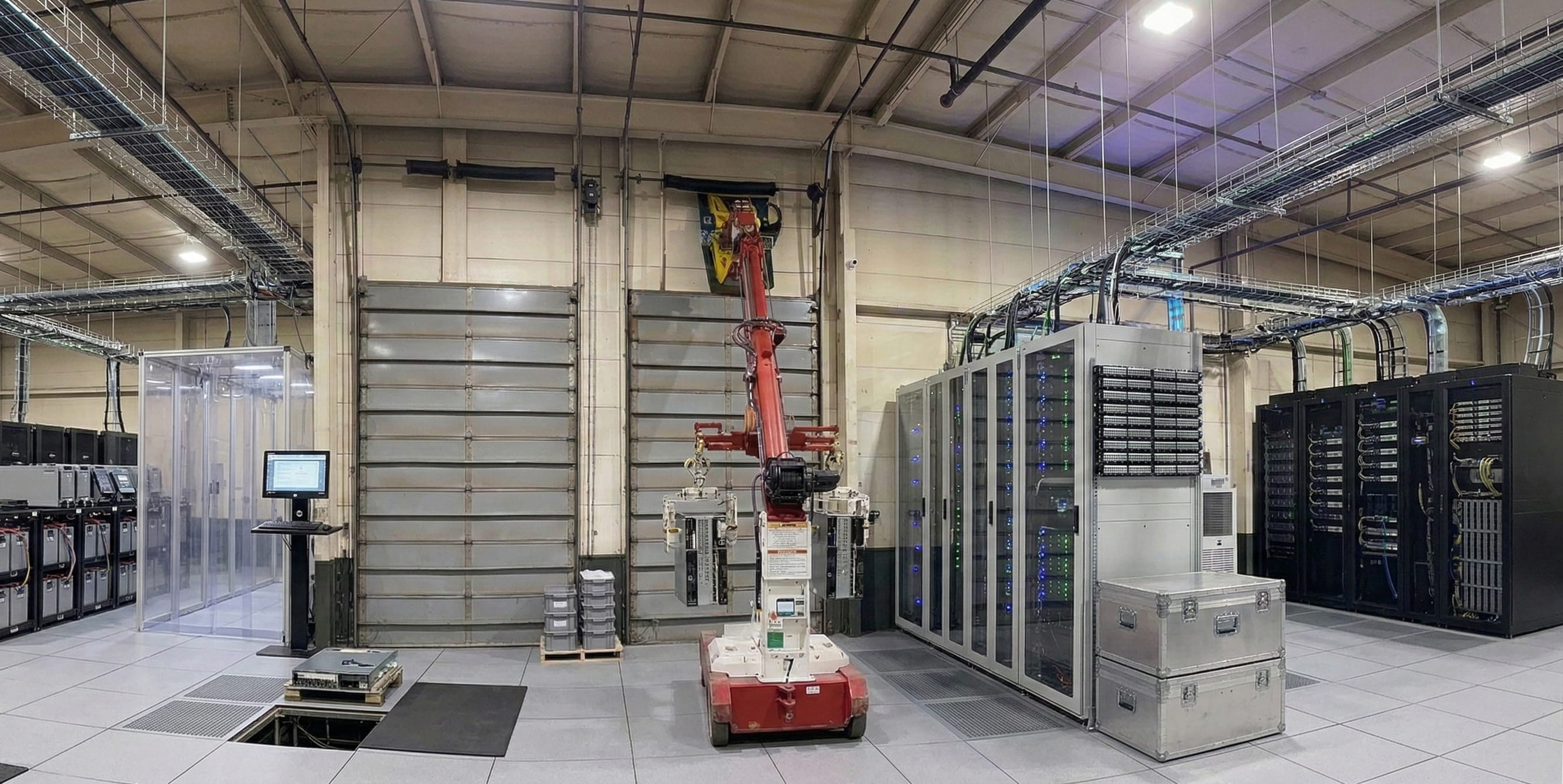
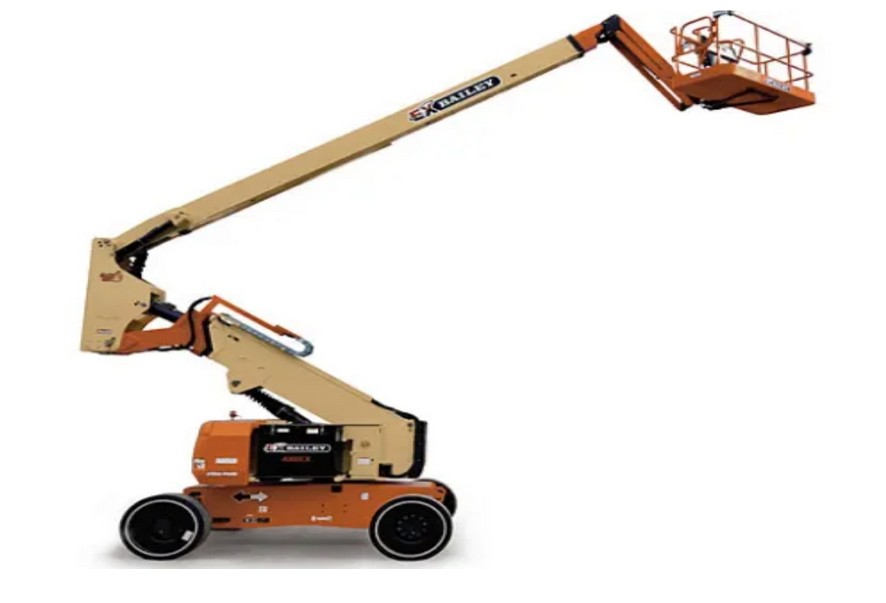
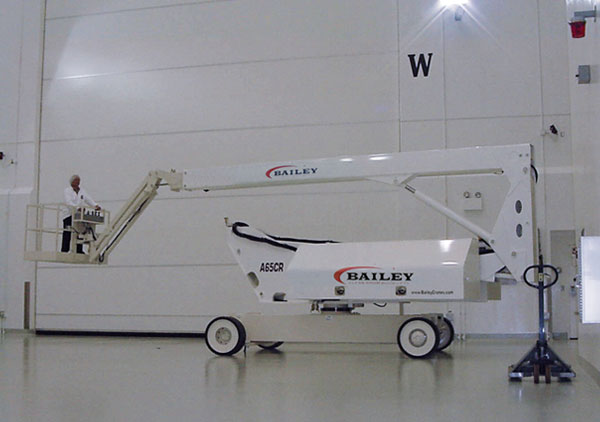
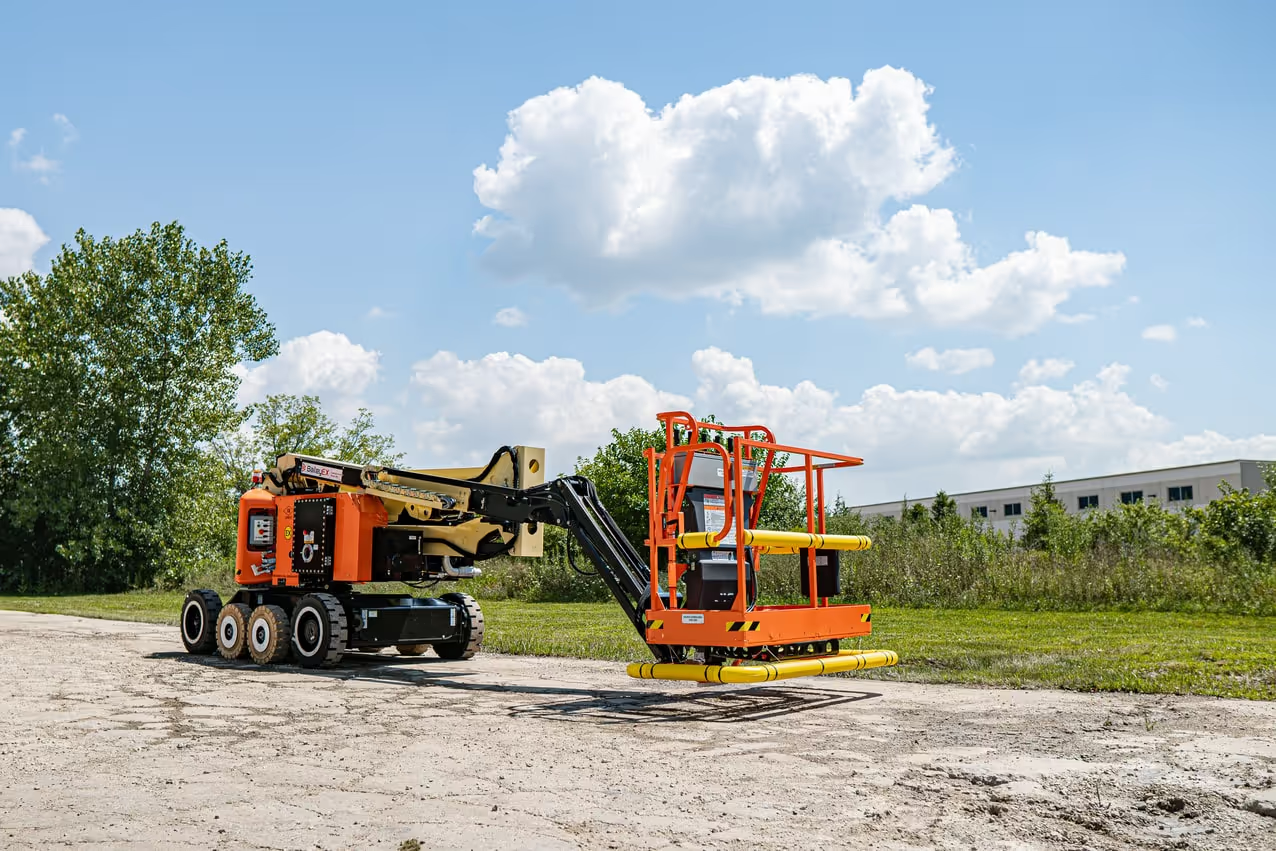
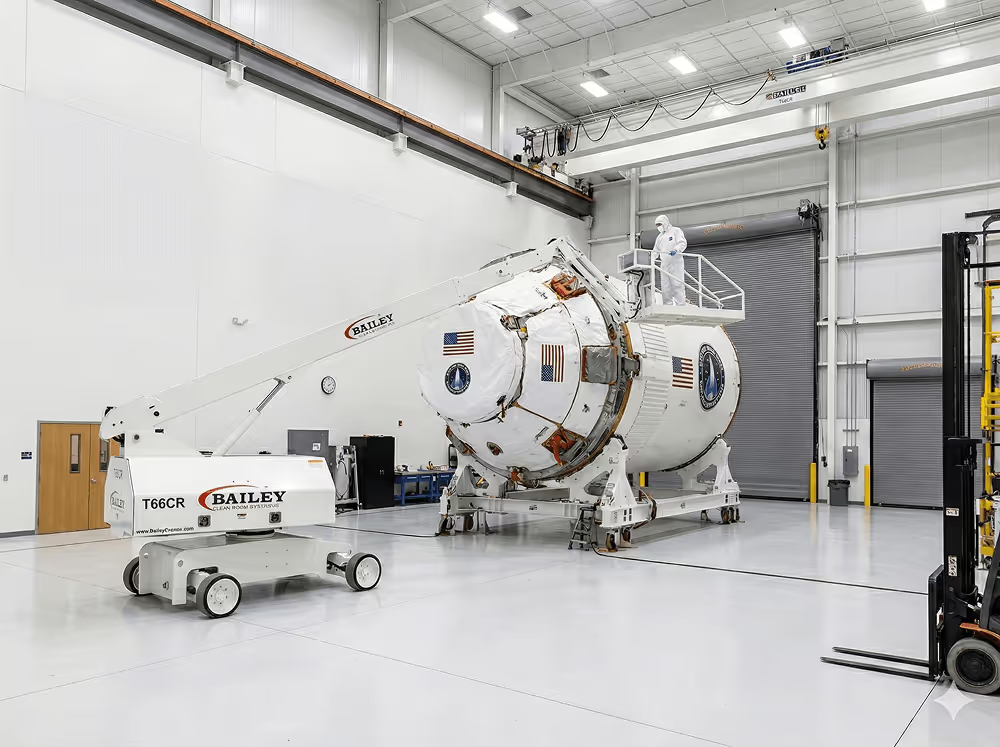
Fortune 500 manufacturers, defence contractors, and leaders in the aerospace industries rely on Bailey Cranes to design and retrofit lifting systems that operate where failure is not an option or choice. From explosion-proof MEWPs to cleanroom-grade access platforms, Bailey Cranes offers precision-engineered equipment is designed to operate in an environment where downtime, safety hazards, or delays in mission are extremely expensive.
Certified to ISO 9001:2015, and holding FM Approval on explosion-proof equipment, Bailey Cranes is also proud to be a Service-Disabled Veteran-Owned and Minority-Owned Business, a designation that underscores our commitment to delivering the highest standards of reliability and safety.
- One of the main components of this pledge is that we integrate and navigate OSHA, NFPA, and UL standards in each solution we offer.
- OSHA standards guide worker protection and safety in lifting to make sure that equipment reduces hazards in a challenging industrial and aerospace environment.
- NFPA guidelines are incorporated in our designs of operations around fuels, vapours and electrical systems, preventing the occurrence of risk (fire and explosion)
- UL-certified parts are an additional guarantee that electrical systems, controls, and safety devices are upheld to high standards of reliability.
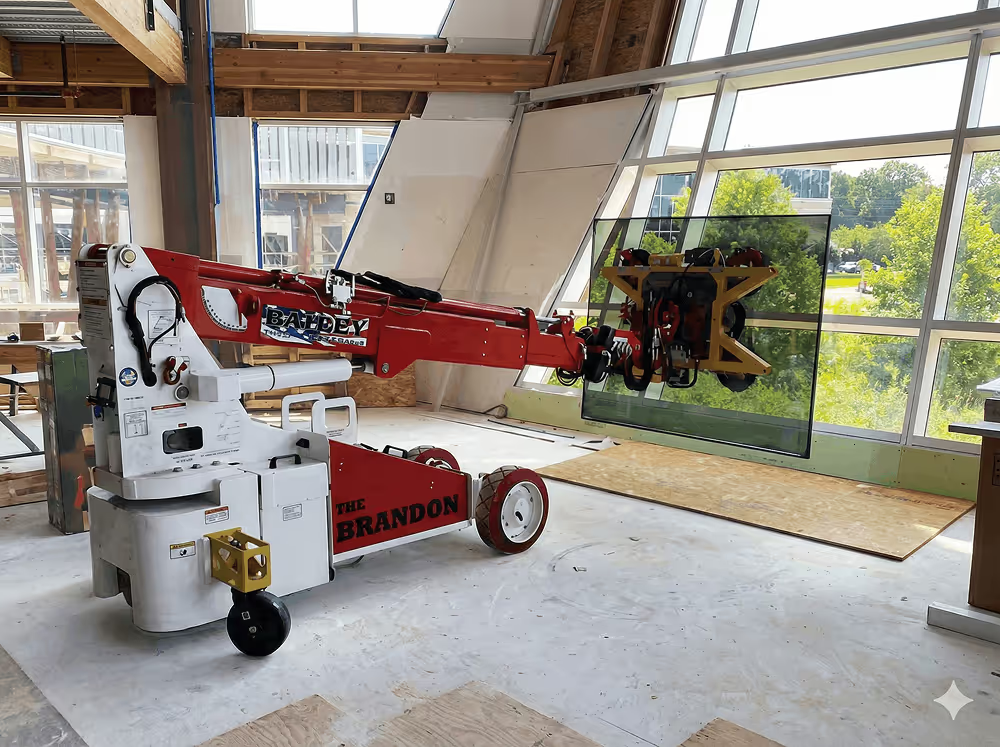
By unifying these standards, Bailey Cranes guarantees that each lift fulfills client-specific technical criteria and also provides relentless compliance, safety, and performance even in the most demanding of conditions.
Conclusion
The issue of regulatory compliance in aircraft maintenance facilities is not merely about adhering to the law. These compliances are regarding the establishment of a base of safety, reliability, and efficiency in some of the harshest conditions.
OSHA aviation safety standards protect workers against threats of lifting, exposure to chemicals, and work environmental hazards. NFPA rules cover the risks of fire and explosions so that fuels, vapors, and electrical systems are handled with utmost protection. Reliability is further enhanced by the UL certification, which ensures that equipment and systems are tested to operate safely in extreme circumstances. These standards, when combined, mitigate risks, enhance operational efficiency, and safeguard people and assets.
Bailey Cranes plays a crucial role in transforming these regulations into practical solutions. We design the most accurate lifts and access platforms that accommodate OSHA, NFPA, and UL standards and assist aerospace and defense executives to work safely in areas where they cannot afford to make a mistake. Therefore, compliance, coupled with high-quality equipment, is not only safer but also gives a competitive edge due to facilities that are not only safe and compliant but also capable of meeting the demands of tomorrow.
Contact Bailey Cranes for help choosing the ideal customised lifting equipment that will meet the safety standards of various industries, and follow aircraft safety hangar guidelines.
To learn more about our lifting solutions, contact Bailey Cranes at 262-710-4028 or email us at sales@baileycranes.com. We have an experienced team of professionals who will guide you to make the appropriate choice of lifting equipment.


.avif)