The phone call came on a Tuesday. A project manager from one of the largest general contractors in the United States needed a machine that didn't exist in any rental catalog.
His team was doing something no one had done before. They were erecting massive construction panels — the kind normally reserved for building exteriors, where cranes have room to swing and operators have space to maneuver — inside a data center. Interior construction. Tight corridors. Low ceilings. Zero margin for error.
The panels had never been used this way. They were designed for open air, not confined spaces. But data centers are going up so fast that the old methods can't keep pace. Someone had to rethink the approach.
That someone needed a machine to match.
They found us in Muskego, Wisconsin. Population: 25,000. Twenty minutes southwest of Milwaukee, tucked between farmland and light industrial parks. Not exactly where you'd expect to find the answer to a cutting-edge construction problem.
But that's the thing about niche manufacturing in middle America. The companies that solve the hardest problems aren't always in the obvious places. They're in small towns with big shop floors, run by engineers who've spent decades perfecting one thing.
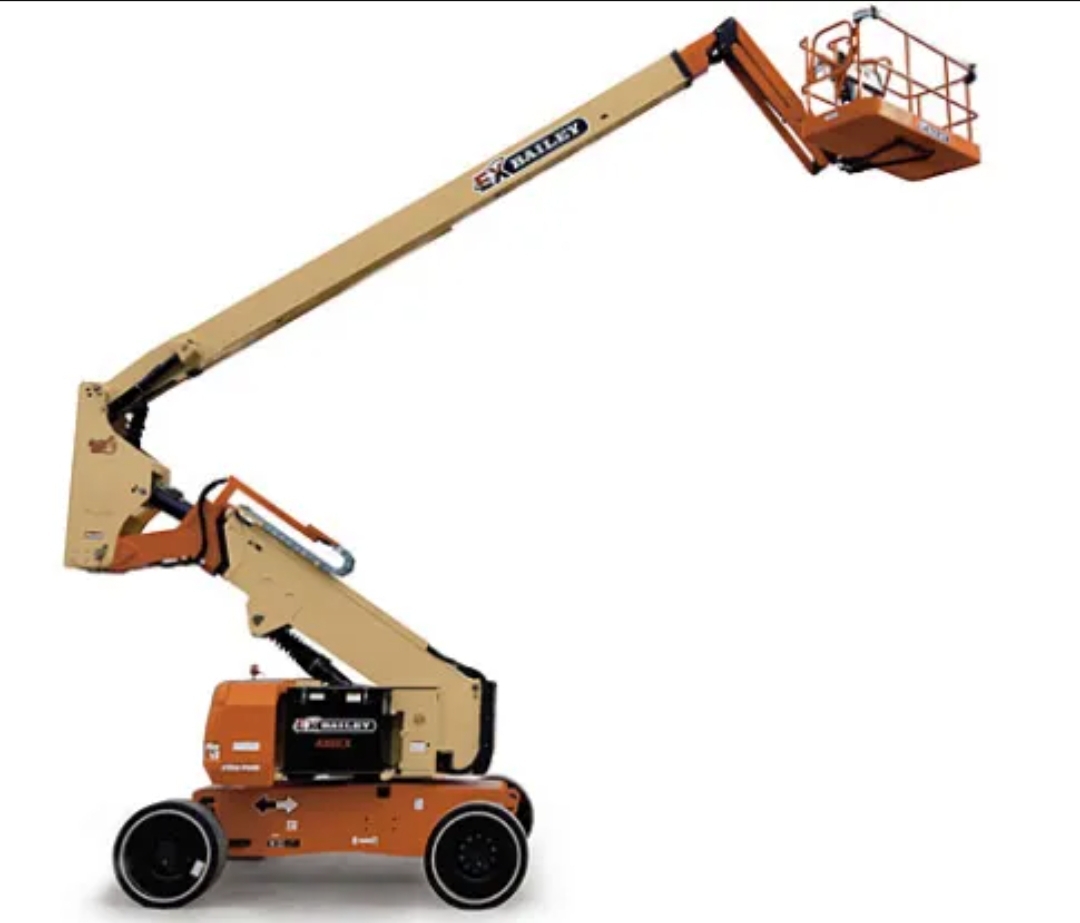
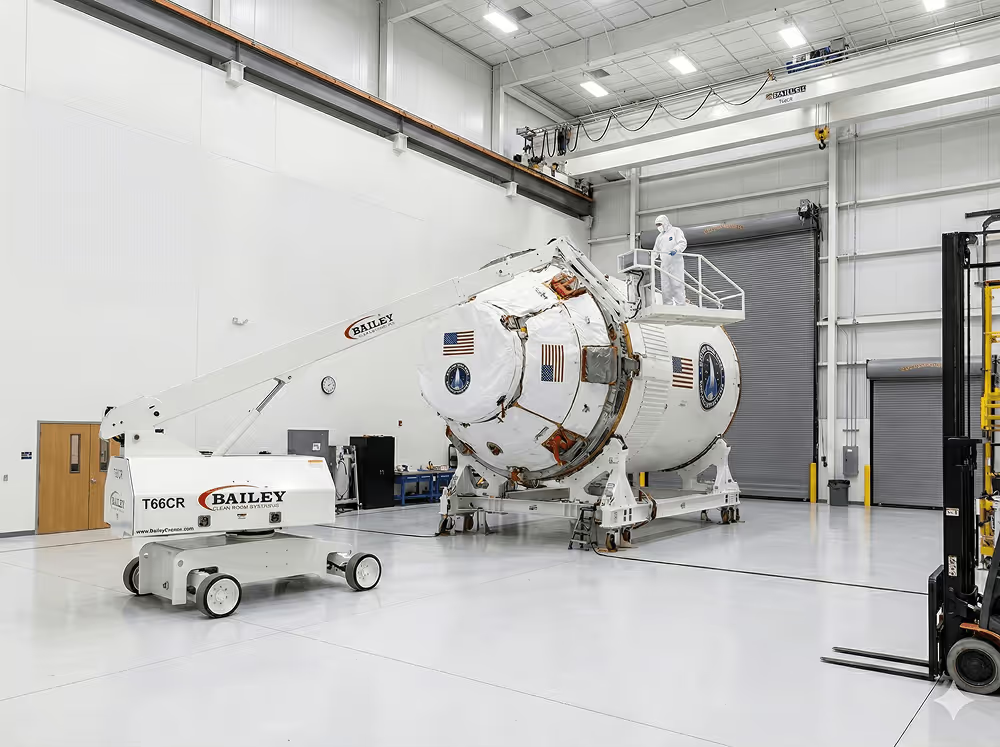
Bailey Specialty Cranes and Aerials is one of those companies. We build specialty cranes and aerial work platforms — machines designed for environments where nothing off the shelf will do. Explosion-proof lifts for fuel storage facilities. Custom cranes for aerospace assembly lines. Equipment that goes where standard machines can't.
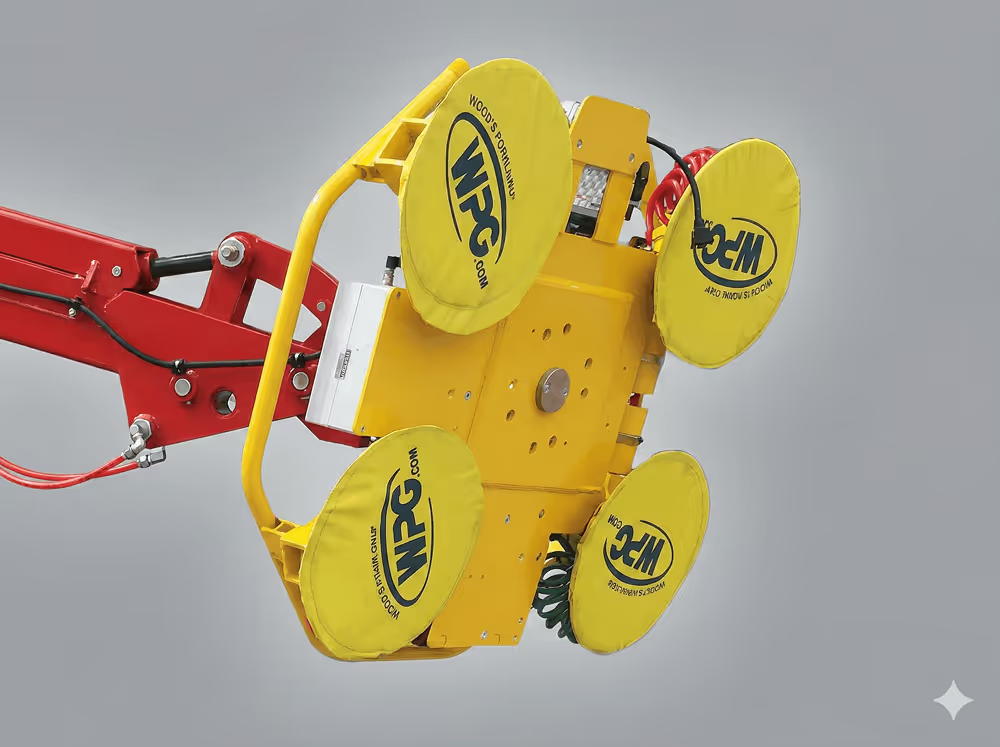
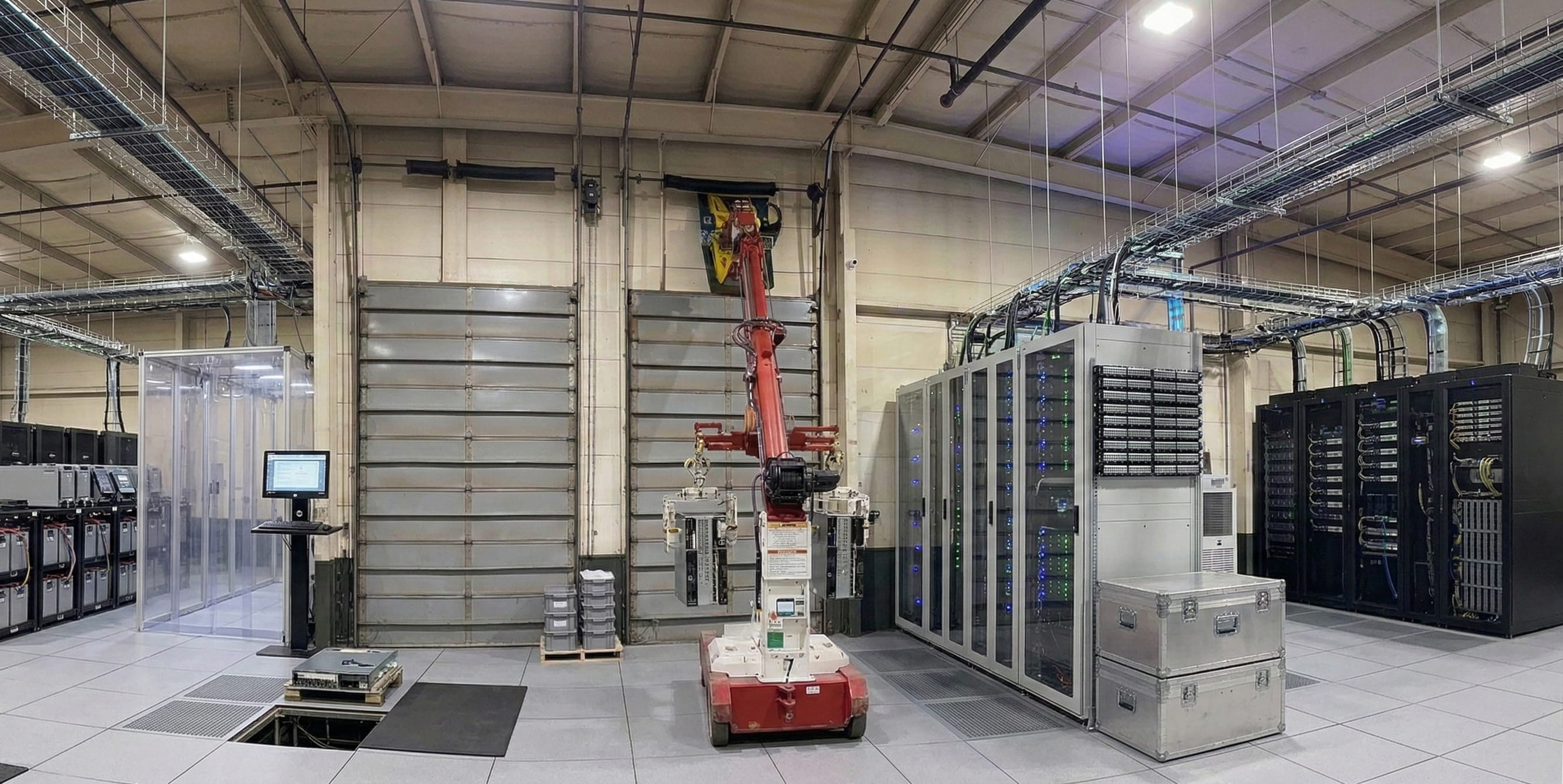
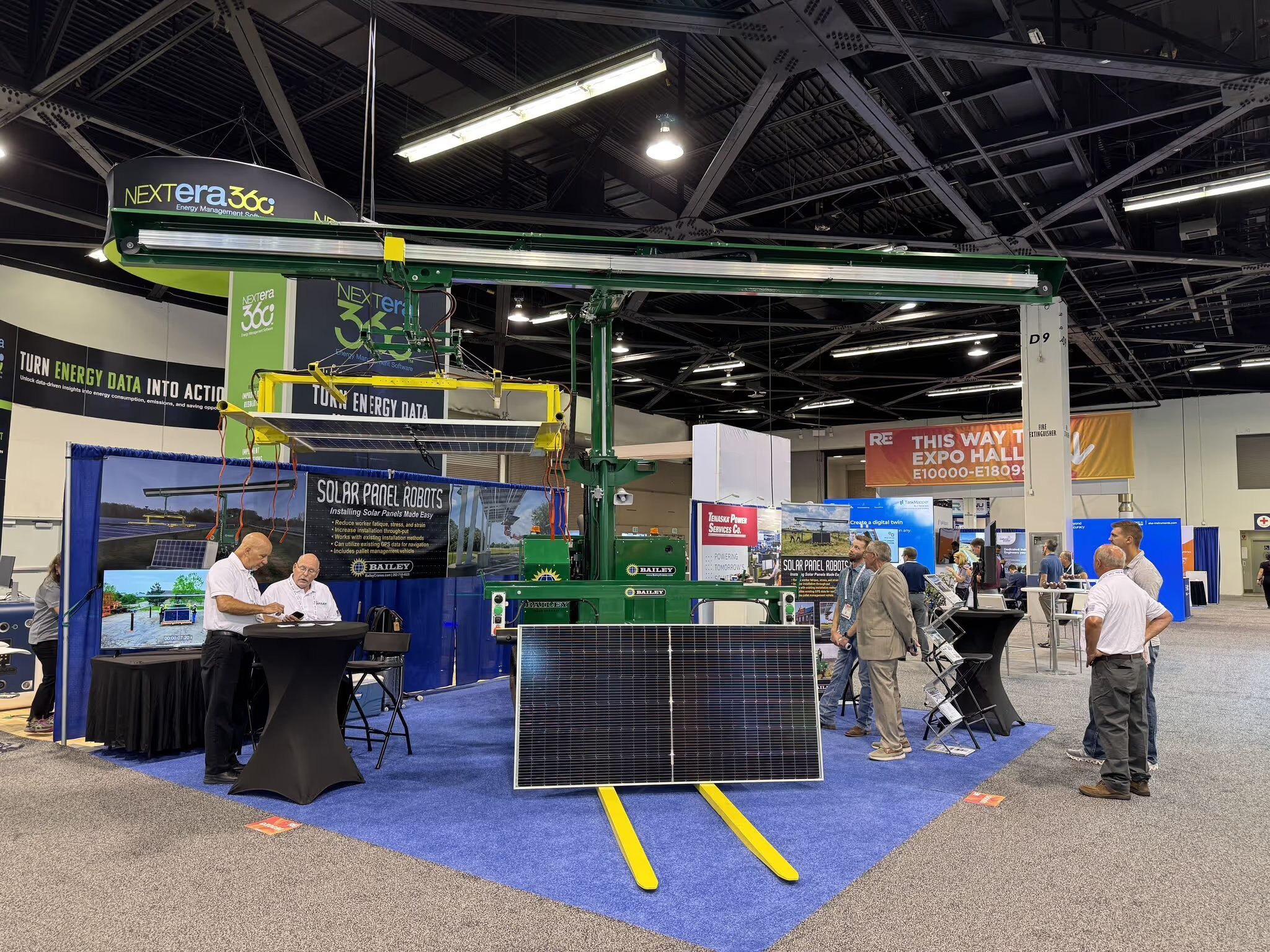
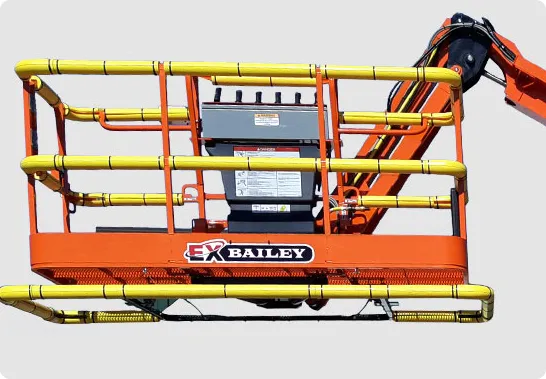
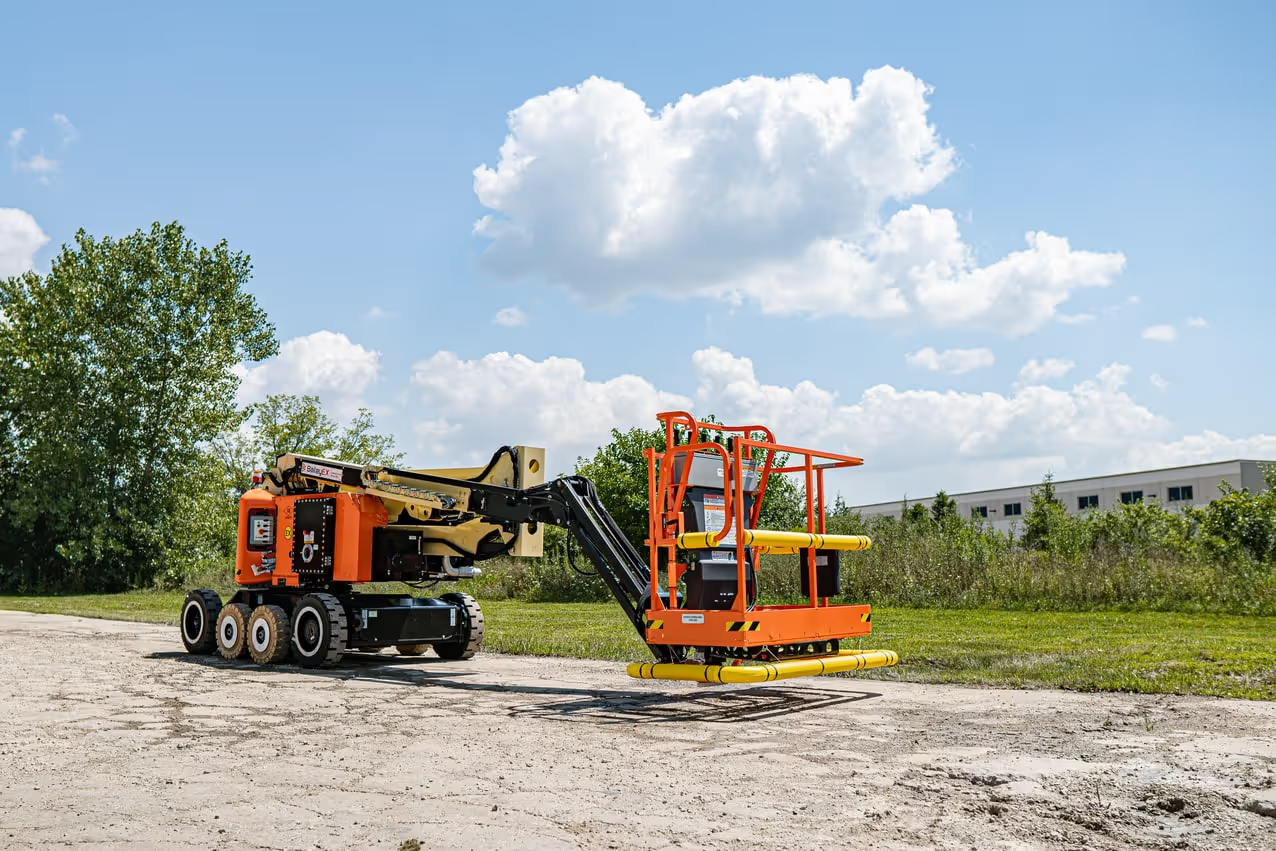
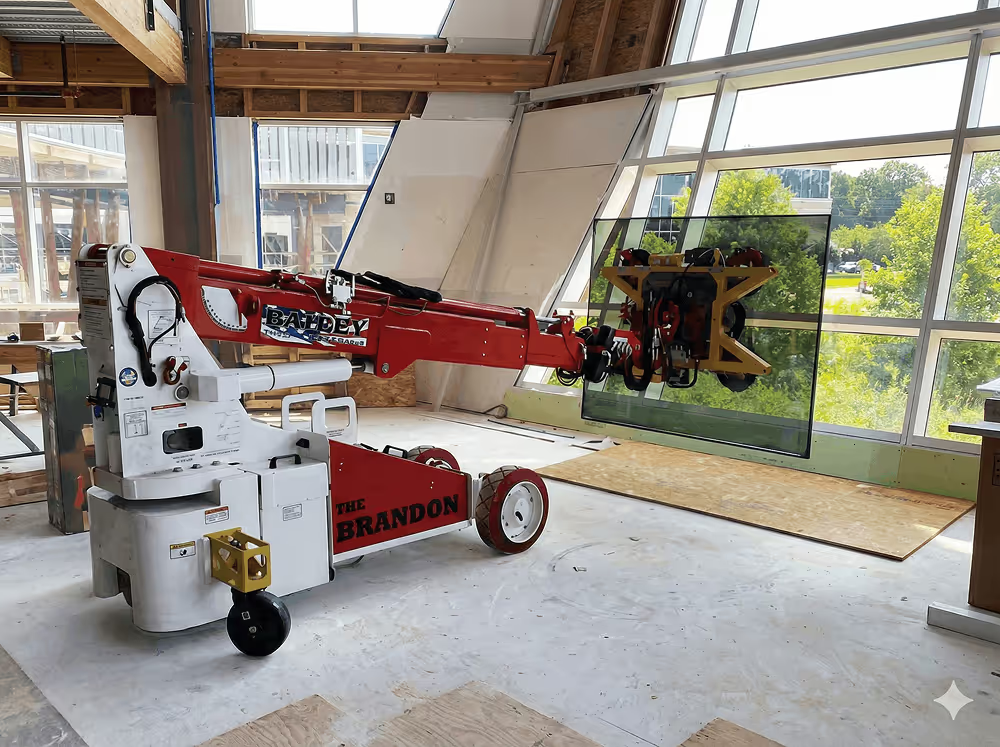
The MC OMNI 10 is our answer to the confined-space problem. It's a compact crane with full omni-directional steering — it can move sideways, diagonally, spin in place. In a tight data center interior, that's not a luxury. It's the difference between getting the job done and not.
When the contractor's team described the application, we knew exactly what they needed. We also knew they needed to see it to believe it.
So we invited them to Wisconsin.
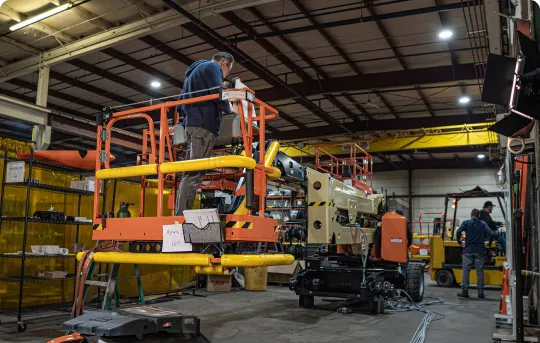
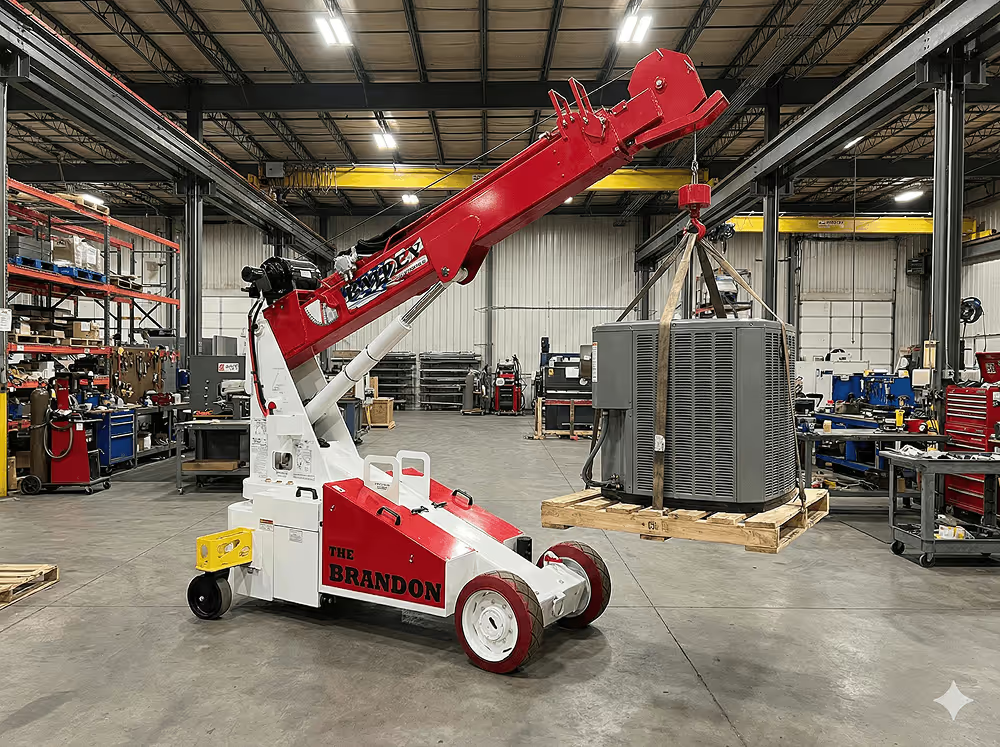
They flew in on a cold morning. The contractor needed a custom MC OMNI 10 with full omni-directional steering — but we had a stock unit on the floor, ready to demo. No omni steering. Just the base platform with its three-axis manipulator and compact footprint. We figured we'd show them what the machine could do in standard configuration and let them imagine the rest.
We didn't need to.
The three-axis manipulator lets an operator tilt, rotate, and position a panel with millimeter precision — exactly what you need when you're fitting heavy material into tight interior spaces where every millimeter matters. And the machine's small footprint means it fits in those spaces. Conventional construction equipment can't even get through the door.
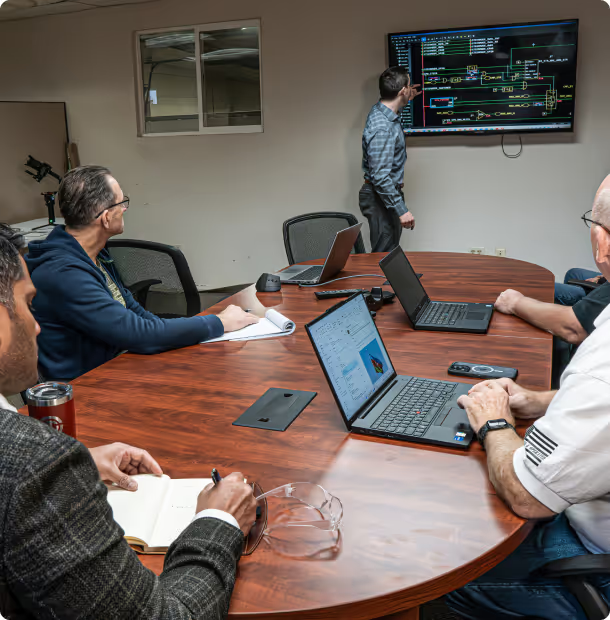
Our sales director, Tim, walked them through the specs. Then we let the machine do the talking.
Within minutes, something happened that every manufacturer lives for. The project leads started fist-bumping each other. Right there on the shop floor. No prompting, no salesmanship — just the involuntary reaction of people who realize their problem is solved.
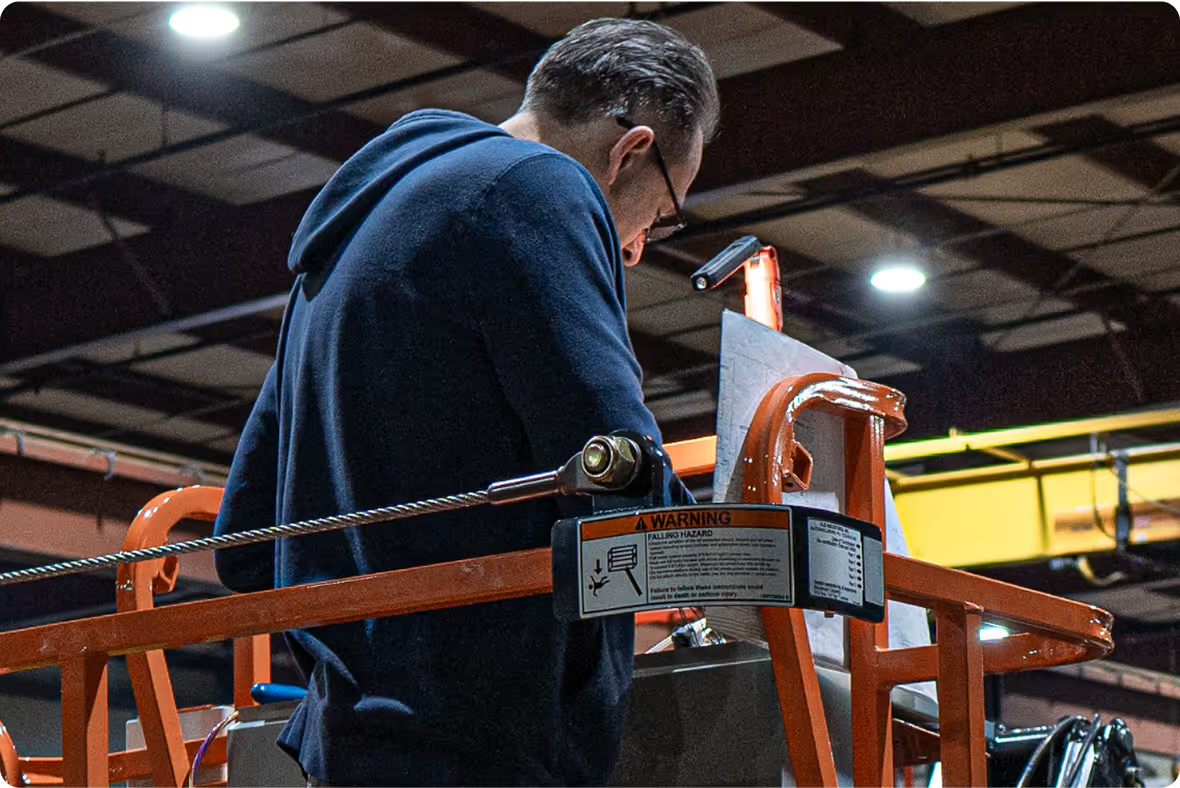
Our most experienced technician was running the machine. He trained our customers' operators and demoed the MC OMNI 10 more than anyone alive — and it showed. He moved a loaded panel through a simulated tight corridor with the kind of calm precision that makes difficult things look easy. Hit it out of the park.
By the end of the demo, one of the contractor's reps turned to our team and asked — tongue in cheek — whether the technician comes included with the purchase.
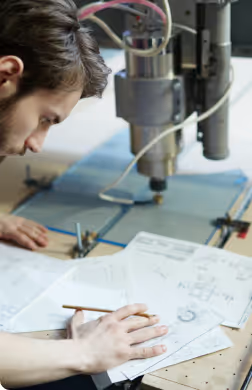
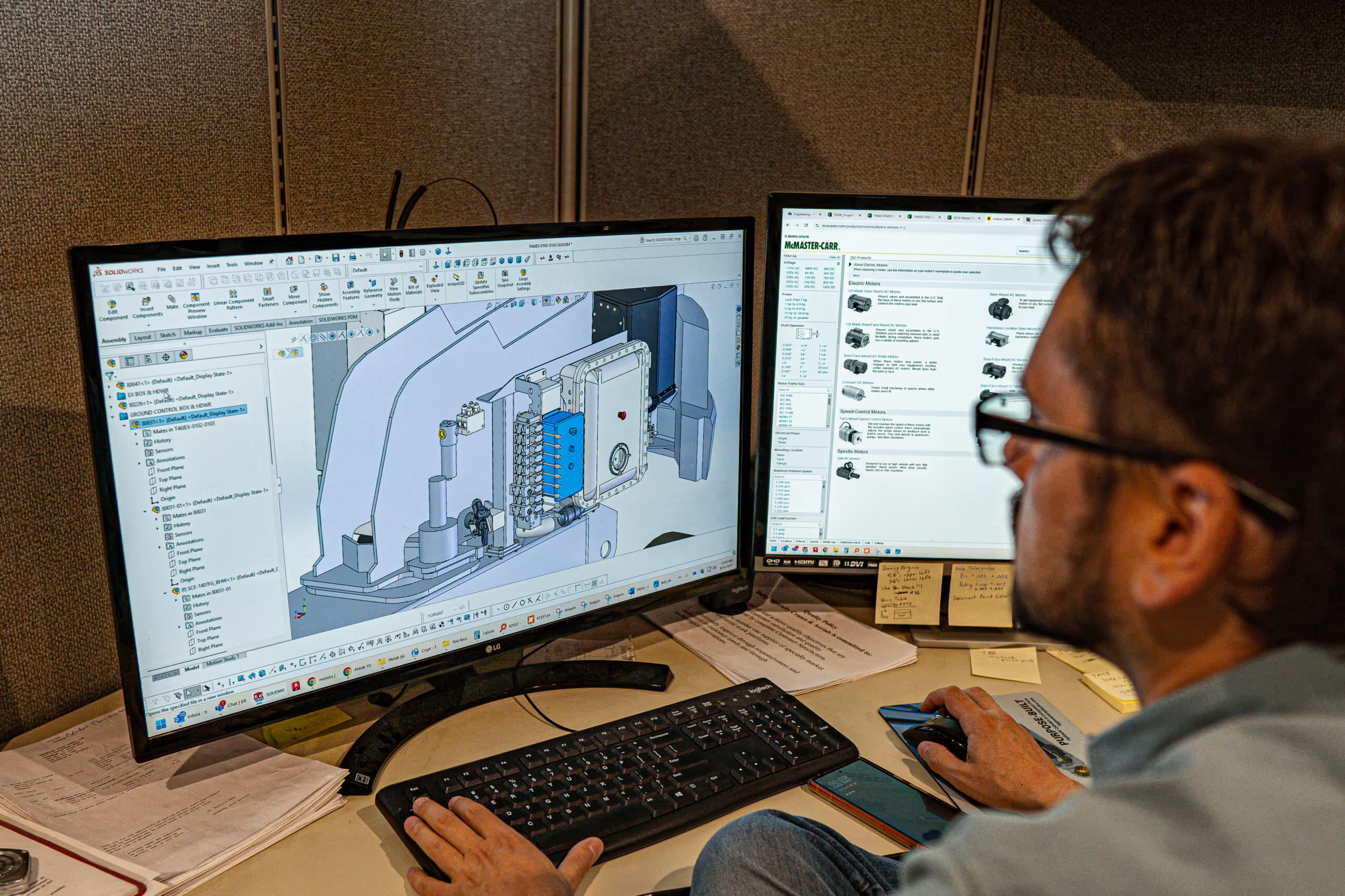
But that demo wasn't a one-man show. Engineering spec'd the setup. Production prepped the machine and staged the floor. Management coordinated the visit down to the hour. When a high-stakes problem lands on our doorstep, titles blur and everyone rows in the same direction. Engineering, production, management — the whole team pulled together as a single unit. That's what small manufacturers do when the moment matters. We don't have layers of bureaucracy. We have people who care, and they show up.
They saw a machine that could position a heavy panel in a space so tight that a conventional construction equipment couldn't even enter the room. They saw an operator moving with precision measured in millimeters, not inches. They saw a workflow that could double or triple their installation speed while reducing injury risk by an order of magnitude.
That fist bump? That's the whole business model.
The race to build data centers is one of the defining infrastructure stories of this decade. Billions of dollars flowing into facilities that house the computing power behind AI, cloud services, and the digital economy. The contractors building them are under enormous pressure to move faster, work safer, and solve problems that have no playbook.
And some of those solutions are coming from places like Muskego.
Niche manufacturers in the American heartland are quiet contributors to this boom. We don't make headlines. We make the machines that make the headlines possible. When a contractor pioneers a new construction method — using exterior-grade panels in interior applications for the first time in the industry — they need equipment that matches their ambition. That equipment doesn't come from a catalog. It comes from a shop floor where engineers build to spec, test under real conditions, and iterate until the machine fits the mission.
There's a broader point here. The supply chain for America's most ambitious construction projects doesn't run exclusively through coastal hubs and global conglomerates. It runs through small towns, family-scale factories, and manufacturers who've carved out a niche so specific that when the right problem comes along, they're the only call to make.
We're proud to be one of those calls


.avif)