What happens when several cranes, forklifts, trucks, and pedestrians operate in the same area every minute of the day? This reality creates daily risks of crashes and collisions in ports and warehouses, leading to injuries, equipment damage, operational delays, and financial losses.
As facilities expand to manage higher volumes and shorter turnaround times, traffic density increases. Blind spots, reduced visibility, and human fatigue further complicate safe operations. Traditional safety measures such as floor markings, mirrors, and manual supervision remain important, but they are no longer sufficient on their own.
This is why many industrial facilities are now adopting collision avoidance systems. These solutions actively track movement, alert operators to potential hazards, and help prevent accidents before they occur.
An Introduction to Collision Avoidance Systems in Industry
- What Collision Avoidance Systems are and how they operate
Collision avoidance systems are safety technologies designed to detect vehicles, equipment, or personnel within a defined range. When a potential collision is detected, the system alerts operators through visual, audible, or tactile warnings. In some cases, movement may also be restricted to prevent impact.These anti-collision systems focus on prevention rather than reaction by improving situational awareness in fast-moving and high-risk industrial environments.- Important Parts to Be Utilized in Ports and Warehouses
Most collision avoidance systems, including crane anti-collision systems, consist of sensors, control units, and alert mechanisms working together. These components monitor movement, calculate distances, and notify operators of hazards in real time.The technology is built to function reliably in challenging conditions such as dust, noise, low light, and exposure to weather, which are common in ports and large warehouses.- Equipment Types That Are Commonly Supported
Collision detection systems support a wide range of material handling and lifting equipment, including overhead cranes, mobile cranes, forklifts, reach stackers, and automated vehicles. This versatility makes them suitable for facilities operating mixed fleets.
Enhancing Workforce Safety in Busy Operational Areas
- Reducing the Risk of Vehicle-to-Vehicle Collisions
In high-traffic facilities, multiple machines often operate close to one another.
Collision avoidance sensors
help operators maintain safe distances by issuing warnings when equipment enters a risk zone. This significantly reduces unintended contact between moving assets.- Protecting Ground Personnel and Pedestrian Traffic
Ports and warehouses are not solely machine-driven environments. Pedestrians frequently share space with heavy equipment. Collision avoidance systems detect pedestrian movement early and alert operators, reducing the likelihood of serious accidents and improving workplace safety.- Supporting Safer Operations in Low-Visibility Conditions
Poor lighting, weather conditions, and obstructed views can limit hazard detection. These systems provide an additional layer of awareness, helping operators navigate safely even when visibility is reduced.
Reducing Equipment Damage and Unplanned Downtime
- Preventing Costly Damage to Lifting and Handling Equipment
Even minor collisions can compromise the structural integrity of cranes, forklifts, or racking systems. Preventing such incidents saves resources and reduces the frequency of repairs.- Lowering Repair and Maintenance Interruptions
Unexpected equipment damage leads to downtime and disrupts operations. By reducing collision incidents, facilities can maintain smoother workflows and avoid delays caused by emergency maintenance.- Extending the Service Life of Critical Assets
Consistent protection from impact improves long-term equipment performance. This results in longer service life and more predictable maintenance schedules.
Improving Operational Performance without Jeopardising Safety
- Supporting Smooth Movement in Congested Areas
Collision avoidance systems allow operators to move through traffic-heavy zones without unnecessary stops. Clear alerts help maintain steady operations while ensuring safety.- Reducing Manual Judgement in Anti-Collision Scenarios
Operators no longer rely solely on visual judgement. Real-time system feedback supports quicker and more accurate decision-making.- Maintaining Productivity While Strengthening Safety
These systems enhance safety without slowing operations. Facilities can meet productivity targets while maintaining stronger risk control.
Enhancing Adherence to Workplace Safety Requirements
- Meeting Port and Warehouse Safety Regulations
Safety regulations continue to evolve, particularly in high-risk industries. Collision avoidance systems help facilities address identified hazards and align with industry standards.- Improving Audit Readiness and Incident Prevention
Demonstrated accident prevention efforts support smoother audits and reduce the likelihood of reportable incidents.- Building Trust with Stakeholders
Strong safety practices build confidence among employees, partners, and regulatory authorities, strengthening organizational credibility.
Minimising Insurance Exposure and Operational Liability
- Reducing Accident-Related Claims
Fewer collisions translate to fewer injury claims and fewer damage expenses, which can be beneficial in insurance premiums.- Securing Businesses against Legal and Financial Risk
Incident prevention assists in reducing liability risk as well as protecting long-term financial stability.- Enhancing the General Safety Records
Safety in the form of consistent accident prevention helps to improve the safety performance indicators in facilities.
Enhancing Operator Awareness and Decision-Making
- Real-Time Alerts and Warnings
Real-time alerts give operators the time to react swiftly to dynamic situations and minimize response time in critical situations.- Reducing Reliance on Human Judgment
Even veteran operators are prone to ignoring dangers in crowded conditions. The use of technology-based alerts is a strong support system.- Maintaining Operators at All Levels of Experience
Choosing the
right crane collision avoidance systems
solution provides consistent, real-time guidance that helps operators make safer decisions in complex environments, regardless of their experience level.
Adapting to Complex and Changing Work Environments
- Controlling Mixed Traffic and Variable Loads
Facilities are usually dealing with various sizes of vehicles, types of loads and movement patterns. These variations can be successfully addressed by collision avoidance systems.- Facilities Support Facility Expansion and Layout Changes
These systems offer protection when the operations increase or the layouts alter and they do not demand significant infrastructure changes.- Integration with the Existing Safety Systems
Collision avoidance technology is able to provide an addition to already available safety techniques to form a more comprehensive risk control plan.
Long-term Economic Operations of Collision Avoidance Systems
- Trading off between initial investment and the maintenance savings
Although installation is associated with initial planning, the decrease in accidents and downtimes provides long-term economic benefits.- Eliminating Unseen Costs Associated with Upheaval
Indirect costs incurred as a result of unplanned delays, repairs, and investigations are usually neglected. These losses are controlled by prevention.- Providing Quantifiable Results in the Long Run
Reduced-risk operations result in predictable production, enhanced asset exploitation, and employee trust and
improved protective protocols
Why Collision Avoidance Systems are Becoming a Necessity in Ports and Warehouses
- Rising Safety Expectations
Customers, regulators, and employees increasingly demand safer working environments. Collision avoidance systems help meet these expectations.- The Shift Towards Smarter Industrial Operations
As facilities adopt automation and advanced controls, intelligent safety systems are becoming standard requirements.- Supporting the Future of Material Handling
Collision prevention investment helps in long-term operational sustainability and scalability.
Selecting the Collision Avoidance Solution that Suits Your Facility
Factors to Consider Before Implementation
Each facility has unique traffic patterns, equipment types, and risk areas. Solutions should be selected accordingly.
- Assessment of Compatibility and Expandability
The anti-collision warning system must fit well with the equipment that is already in place and must be able to accommodate future expansion.- The Significance of Customisation
Custom solutions are more comprehensive in their coverage and safety control is in accordance with the actual conditions of work.
The Role of Bailey Cranes in Aiding Safer Operations in the Ports and Warehouses
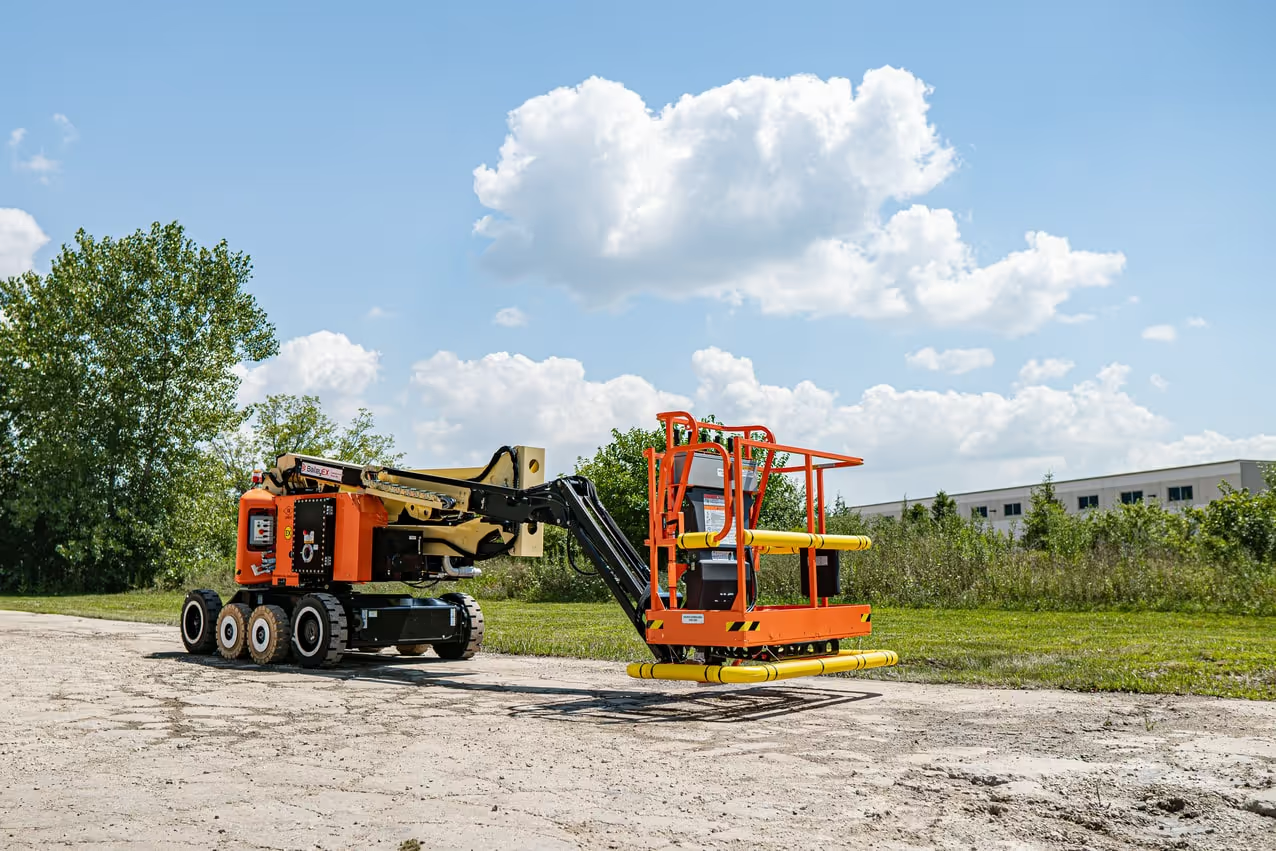
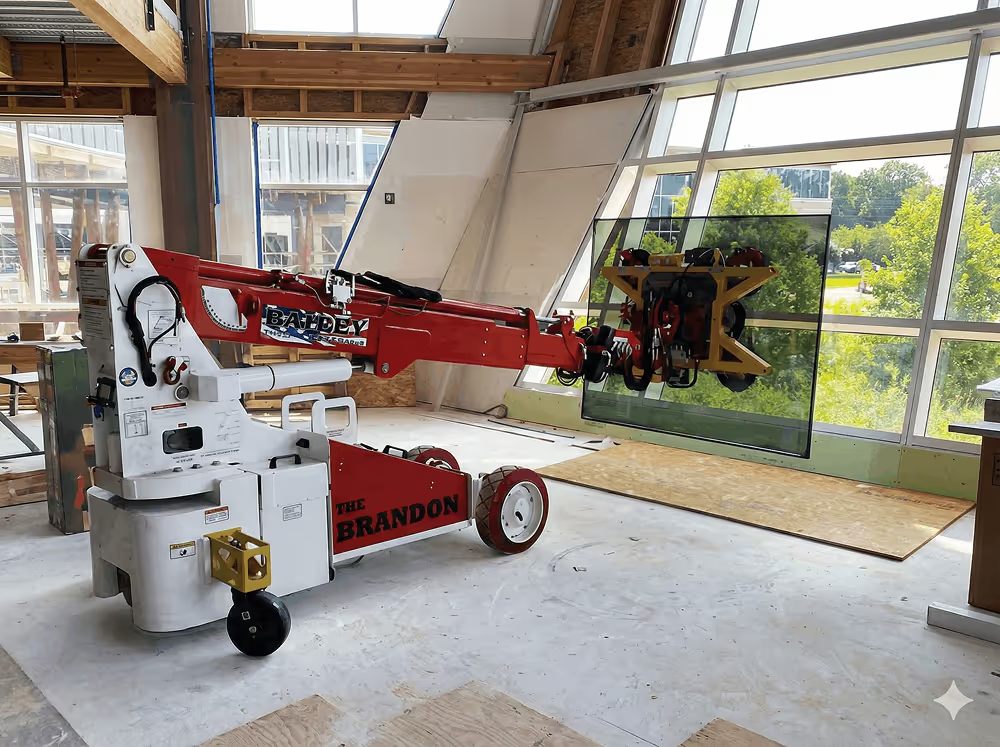
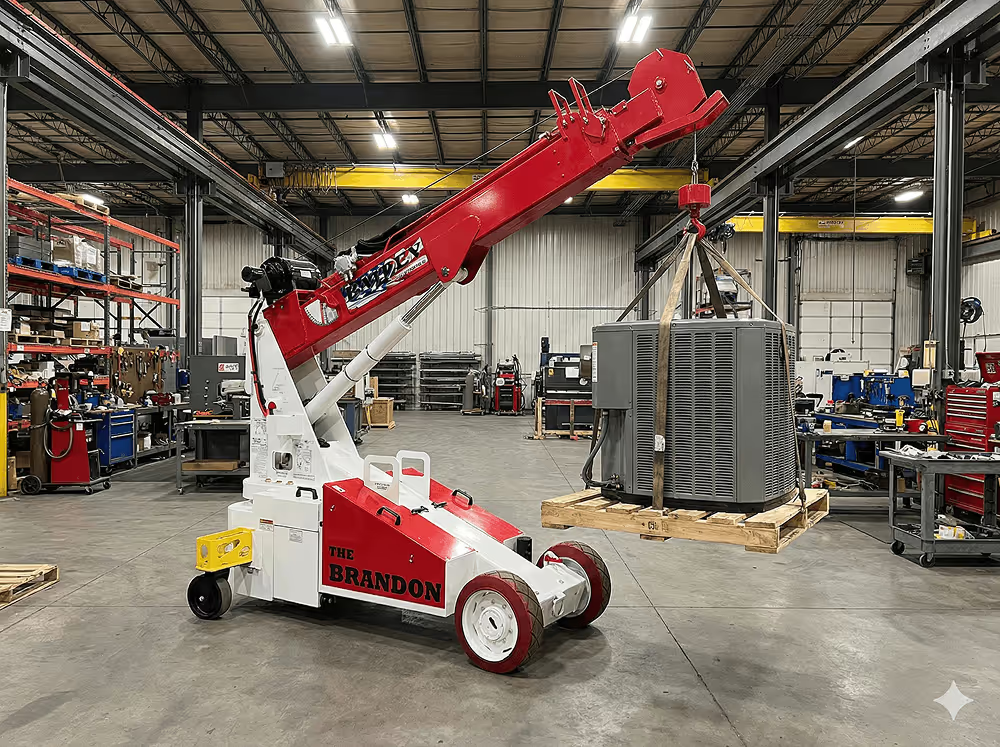
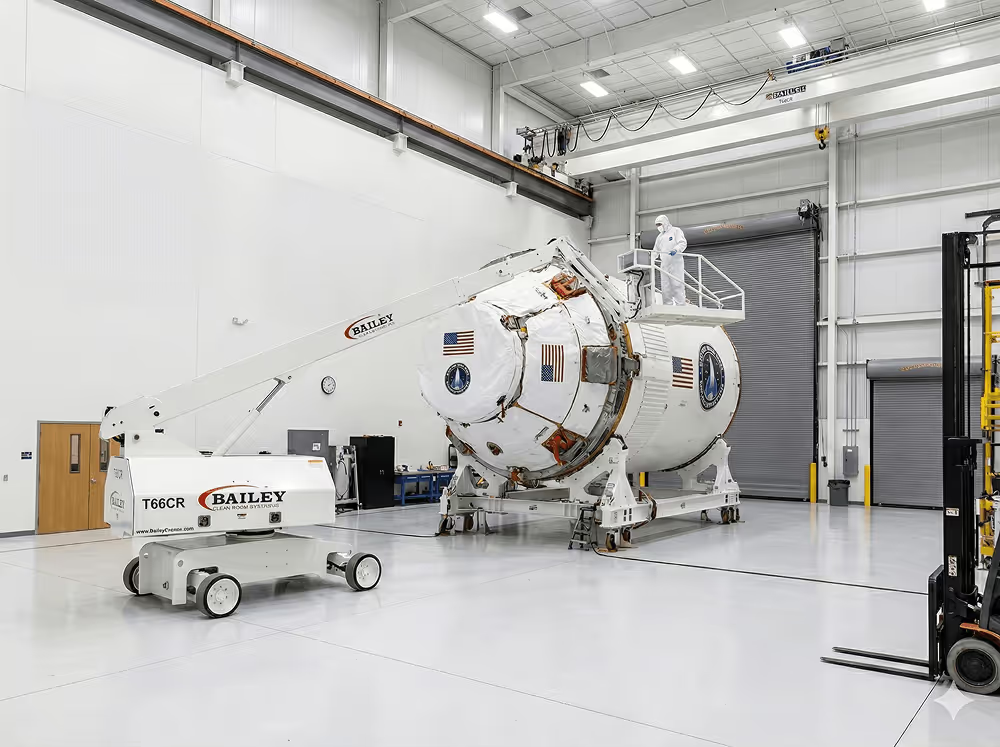
Bailey Cranes designs and manufactures advanced lifting solutions with a strong focus on safety. With decades of experience in demanding industrial environments, the company understands the pressures faced by ports and warehouses.
Bailey Cranes provides equipment and safety-focused solutions that support operational requirements, reduce risk, protect assets, and improve efficiency. Each solution is developed to lower collision-related incidents and enhance operator awareness.
Conclusion
Bailey Cranes designs and manufactures advanced lifting solutions with a strong focus on safety. With decades of experience in demanding industrial environments, the company understands the pressures faced by ports and warehouses.
Bailey Cranes provides equipment and safety-focused solutions that support operational requirements, reduce risk, protect assets, and improve efficiency. Each solution is developed to reduce collision-related incidents and enhance operator awareness.


.avif)