Aerial work platforms have become important tools for completing tasks at heights safely and efficiently. These versatile machines, also known as mobile elevated work platforms (MEWPs), allow workers to access elevated areas that would otherwise require scaffolding or ladders. Thus, they are essential across numerous industries, from construction to utilities to facility maintenance.
Understanding Aerial Work Platforms
An aerial work platform is a mechanical device designed to provide temporary access for people or equipment to inaccessible areas, usually at height. The main purpose of an aerial platform is to enable workers to perform tasks safely while elevated above ground level. These platforms typically consist of three main components: a base structure (usually mounted on wheels or tracks), an extendable structure or lifting mechanism, and a platform or bucket where operators can stand and work.
What makes an aerial work platform particularly valuable is its mobility and versatility. Unlike fixed scaffolding, these platforms can be quickly repositioned around a worksite, thus improving efficiency. The question of what is an aerial work platform often comes up when companies are evaluating equipment options, and the answer lies in understanding their core function: providing safe, temporary elevated access that enhances productivity.
Modern elevated work platforms have safety features like guardrails, harness attachment points, emergency descent systems, and outriggers for stability. These features address the primary hazards associated with working at heights, making MEWPs significantly safer than traditional access methods when properly used.
Why do Aerial Work Platforms Matter?
The importance of elevating work platforms extends beyond mere convenience. According to industry statistics, falls from height remain one of the leading causes of workplace fatalities and serious injuries. By providing stable, secure working platforms with built-in safety systems, aerial work platforms directly address this risk.
Furthermore, these platforms enhance worker productivity. Tasks that might take hours using ladders or scaffolding can often be completed in a fraction of the time using the right aerial platform lift. This efficiency translates to significant cost savings on projects where time is a critical factor.
Types of Aerial Work Platforms
When discussing types of aerial lifts, it’s important to understand that different designs serve different purposes. Here’s a breakdown of the main categories:
1. Boom Lifts
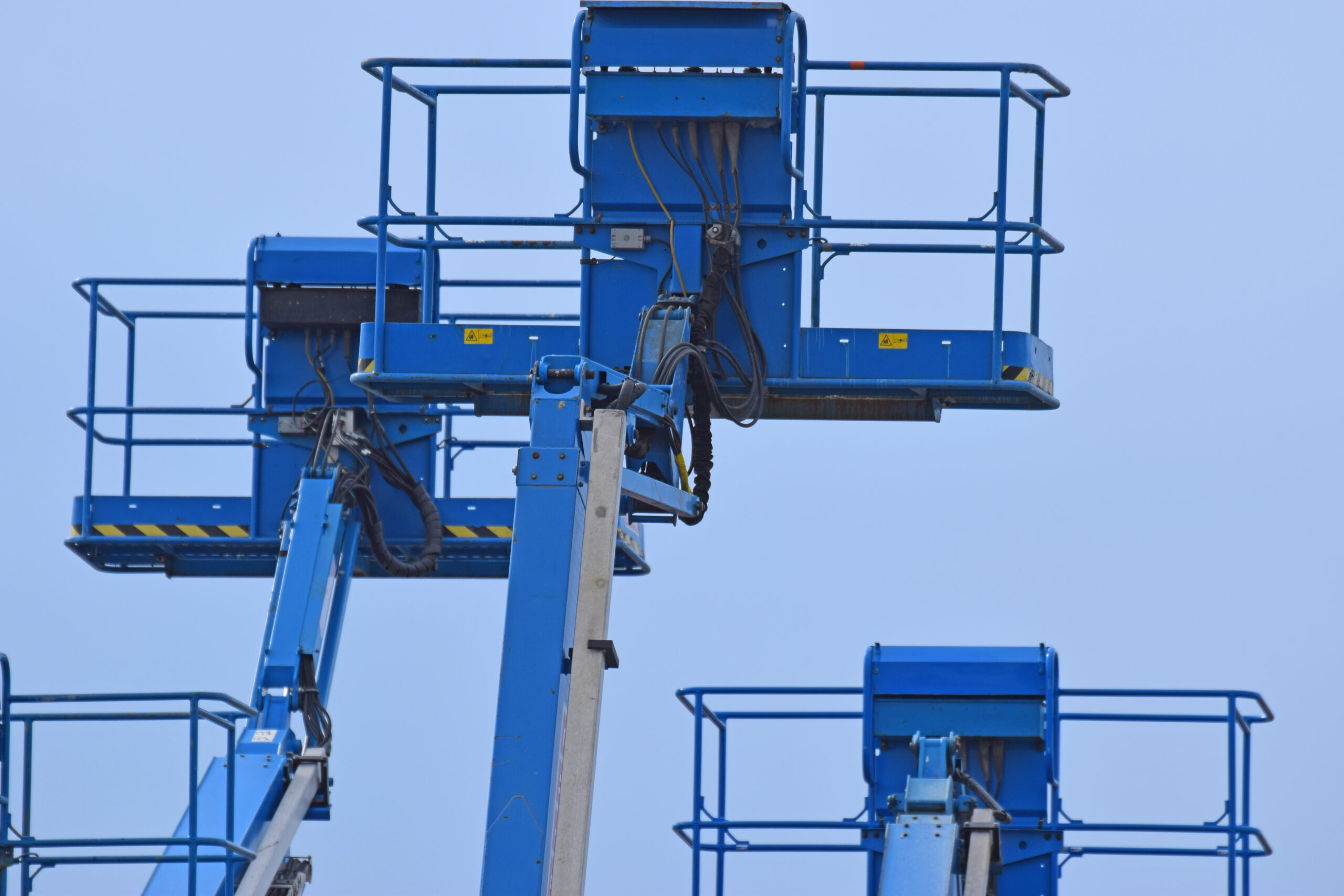
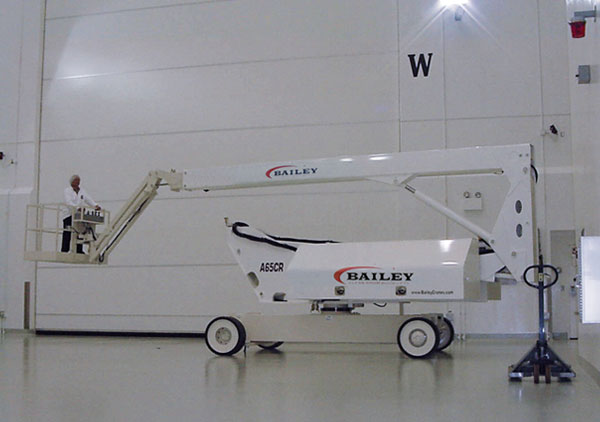
Boom lifts feature an extendable arm with a worker bucket attached at the end. These versatile aerial lift platforms are mounted on vehicles with sturdy tires, making them suitable for uneven terrain.
There are two primary variants of boom lifts:
- Articulated Boom Lifts: Also known as knuckle lifts, these feature jointed arms that can bend and navigate around obstacles. This makes them ideal for maintenance work with limited access, as they can reach up and over barriers.
- Telescopic Boom Lifts: These lifts provide maximum reach at heights through a straight, extendable arm. They are particularly useful for window washers, electricians, and others who need to access areas directly above or parallel to their position.
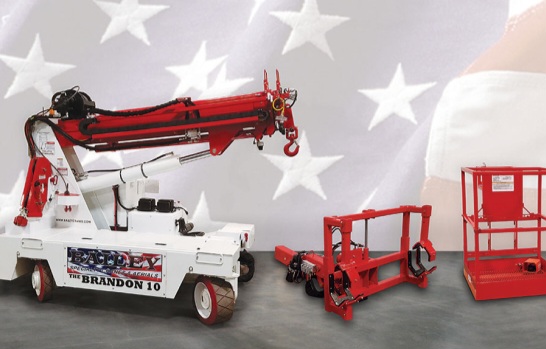
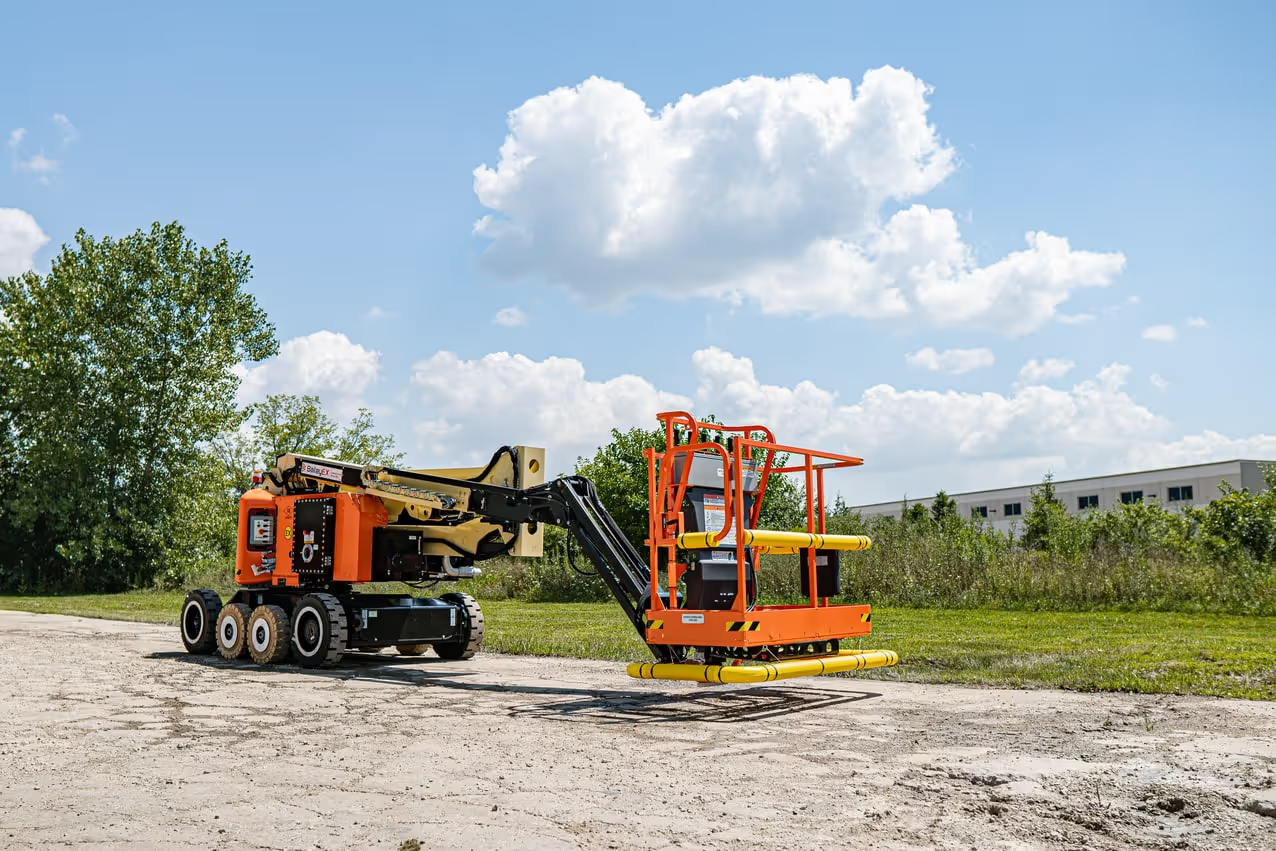
Among the specialized equipment providers in this space, Bailey Cranes has carved out a niche with their explosion-proof boom lifts. These specialized lifts are crucial in environments where standard equipment might pose ignition risks.
2. Scissor Lifts
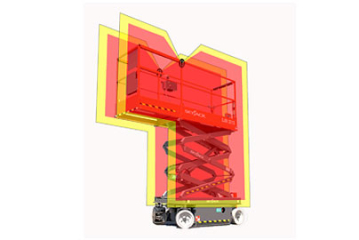
Scissor lift MEWPs are widely used for indoor applications. Their distinctive crisscross support structure raises and lowers a large platform vertically. Though limited to vertical movement, scissor lifts can support multiple workers and materials, making them ideal for tasks like ceiling installation, painting, or general maintenance.
Rough terrain variants of scissor lifts feature reinforced components and specialized tires for outdoor use on uneven surfaces, expanding their use to construction sites and outdoor maintenance projects.
Bailey Cranes offers an extensive range of explosion-proof scissor lifts for applications requiring stable elevated platforms.
These scissor lifts provide stable elevated work platforms with impressive weight capacities, making them ideal for applications where multiple workers or heavy materials need to be lifted simultaneously.
3. Personnel/Man Lifts
These mechanical alternatives to ladders offer greater stability and can reach heights approaching 145 feet. Their compact design makes them suitable for confined spaces where larger equipment wouldn’t fit.
Modern personnel/man lifts come in several variants:
- Push-around vertical lifts: These manually positioned lifts are lightweight and often feature non-marking wheels, making them perfect for sensitive flooring in retail or institutional settings.
- Self-propelled vertical lifts: These feature drive systems that allow the operator to control movement from the elevated platform, enhancing efficiency for tasks requiring multiple position changes.
- Drivable vertical mast lifts: These combine the compact footprint of a personnel lift with powered mobility, allowing operators to drive the unit while elevated (within specified height limits).
The industrial applications for personnel lifts are extensive, ranging from inventory management in warehouses to lighting maintenance in auditoriums, electrical work in manufacturing facilities, and HVAC servicing in commercial buildings
4. Towable Boom Lifts
Lightweight and portable, these lifts can be towed behind vehicles to different locations. Their versatility makes them popular choices for facility maintenance, landscaping, and light industrial applications. Most towable boom lift platforms are designed for quick setup, allowing workers to transition from transport to operational mode in minutes rather than hours.
Power options for towable boom lifts include:
- Battery-powered systems: Ideal for indoor use or environments where noise and emissions are concerns
- Diesel engines: Providing robust power for outdoor applications with extended runtime
- Hybrid systems: Offering the flexibility of both electric and combustion power sources
- Bi-energy systems: Allowing the operator to switch between power sources as needed
5. Vehicle-Mounted Aerial Platforms
These platforms resemble cherry pickers and are mounted on vehicles, making them highly mobile. Utility companies frequently use them to access power lines, while municipalities deploy them for tree maintenance and lighting installation. Vehicle-mounted aerial platforms are valuable for utilities, telecommunications companies, municipal services, and other operations requiring access to elevated infrastructure across dispersed geographic areas.
Vehicle-mounted platforms come in several specialized configurations:
- Insulated boom trucks: Featuring boom arms with dielectric properties to protect workers from electrical hazards during utility line work
- Over-center articulated booms: Providing the ability to reach both up and over obstacles, ideal for tree trimming and building maintenance
- Telescopic boom trucks: Offering maximum vertical reach by extending boom sections
- Under-bridge inspection units: Specialized platforms that can extend underneath bridge structures for inspection and maintenance
- Trailer-mounted platforms: Smaller units that can be towed behind existing fleet vehicles
Choosing the Right Aerial Work Platform
When selecting an aerial work platform lift, several factors must be considered:
- Height requirements: Maximum working height needed
- Horizontal reach: Whether you need to access areas away from the base
- Weight capacity: Combined weight of workers, tools, and materials
- Indoor vs. outdoor use: Floor load restrictions for indoor use; terrain considerations for outdoor applications
- Power source: Electric (clean, quiet, indoor-friendly) vs. combustion engines (more power, suitable for outdoor use)
- Space constraints: Platform dimensions and maneuverability in tight spaces
Different platforms are designed for different applications, and using the wrong equipment can lead to safety hazards or inefficient operations.
Get the Right Aerial Work Platform for Your Needs
Whether you need an aerial work platform definition clarified or assistance selecting the right equipment for your specific application, working with experienced professionals is essential. From Type 3 MEWPs designed for special applications to standard mobile elevated work platforms for routine maintenance, having the right equipment makes all the difference in project success.
Contact Bailey Cranes today for expert guidance on selecting and operating aerial work platforms tailored to your specific industry needs. As specialists in safety-engineered, performance-driven lifting solutions, we offer
custom engineering capabilities and a comprehensive range of specialty lifting products, including explosion-proof aerial lifts and other advanced aerial platform lift solutions.
Contact Bailey Cranes at 262-710-4028 or sales@baileycranes.com to discover how our expertise can enhance your operations with the perfect aerial work platform solution for your unique requirements.


.avif)