Combustible dust may look harmless, but under the wrong conditions, it behaves like fuel. When dispersed in air, those fine particles can ignite with the same force as an explosion. It’s not a rare occurrence and for many industries, it’s a daily risk.
A few years ago, a milling facility in Wisconsin experienced a devastating combustible-dust ignition that resulted in multiple fatalities and the complete loss of the facility. There was no visible fire or fuel spill before the incident. The ignition sequence began when accumulated dust was disturbed, became airborne, and met a non-rated electrical source.
This incident underscores a critical truth across industries: you don’t need an open flame to start a disaster. You only need the wrong equipment in the wrong zone.
The Real Risk: When Dust Turns Combustible
In industrial environments from food processing to aerospace paint hangars, dust accumulation is often treated as a housekeeping issue. In reality, it’s a combustion risk.
According to NFPA 652: Standard on the Fundamentals of Combustible Dust, any fine particulate that settles on a surface can become explosive once suspended in air and exposed to an ignition source. Even minor electrical discharges, static buildup, or heat signatures from standard machinery can initiate deflagration.
The “Dust Explosion Pentagon” defines the five ingredients for such events: fuel (dust), oxygen, confinement, dispersion, and ignition. Remove any one or control it through certified design and the chain breaks.
High-Risk Moments: Routine Access and Maintenance
Many ignition events don’t occur during full-scale production. They happen during routine maintenance or cleaning, when overhead dust is disturbed by vibration, air movement, or equipment activity.
That’s when suspended dust can fall through the air column, forming a cloud that meets an ignition source. A standard aerial lift or non-rated electrical motor is often enough to complete the ignition chain.
This pattern repeats across sectors:
- Milling / Grain: Dust accumulation meets standard motor.
- Aerospace Paint Hangars: Vapor exposure near overhead lifts.
- Battery Manufacturing: Carbon dust contact with non-rated booms.
- Food Processing: Sugar or flour interacting with maintenance equipment.
These are not “chemical accidents” but they are classification failures.
Why Equipment Certification Is Non-Negotiable
In hazardous environments, the right classification is the boundary between safe operation and disaster.
Equipment used in such spaces must comply with standards including:
- Class I, Division 1 / Zone 1: For gases or vapors present during normal operation.
- NFPA 652 / NEC Article 500: For combustible dust areas.
- NFPA 409, Chapter 12: For paint hangars and aircraft maintenance zones.
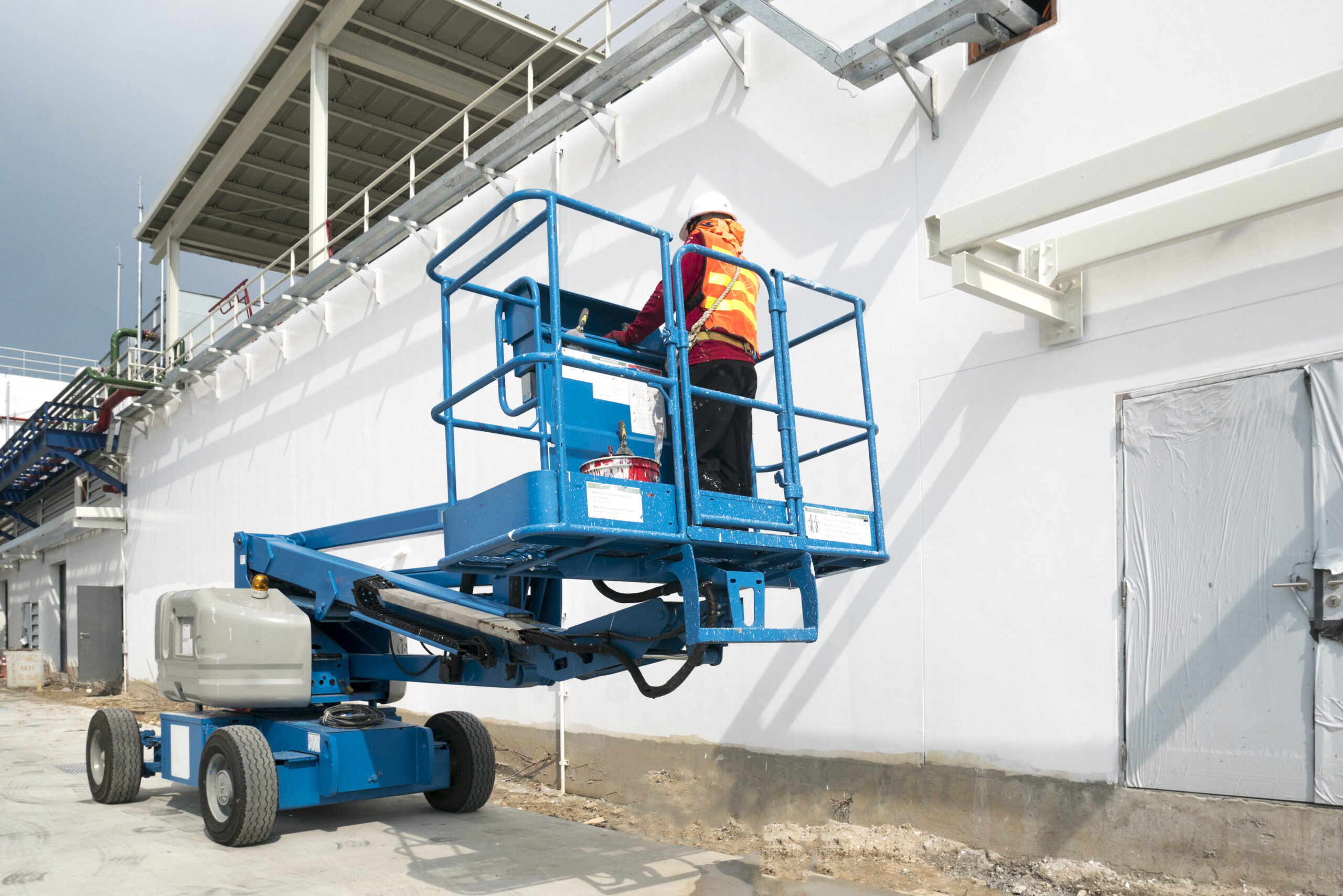
Standard scissor or boom lifts can introduce ignition pathways through relay sparks, switching arcs, static discharge, or hot surface temperatures. Explosion-proof (EX-rated) equipment eliminates these hazards by design.
How Bailey Cranes Builds Safety Into Design
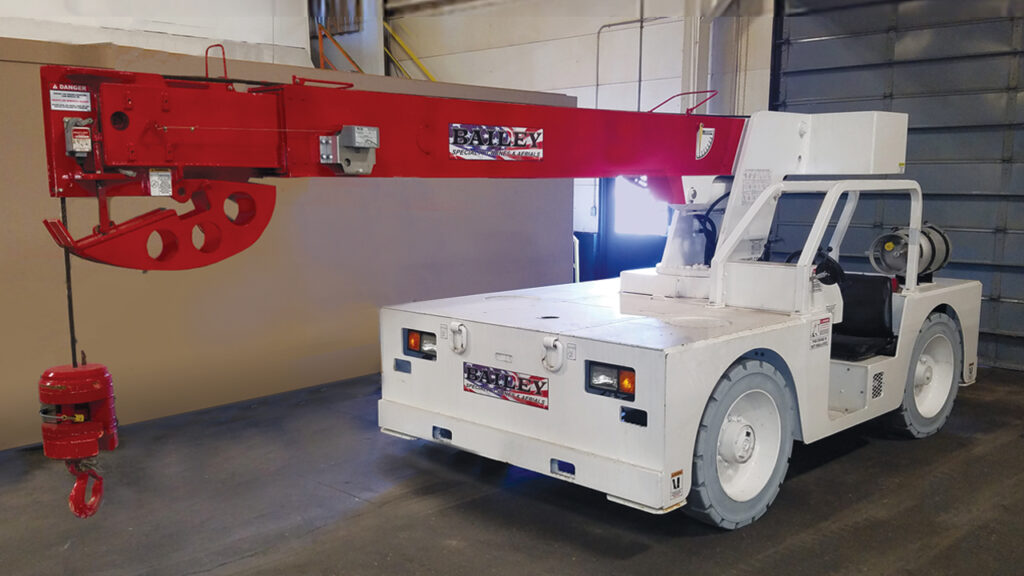
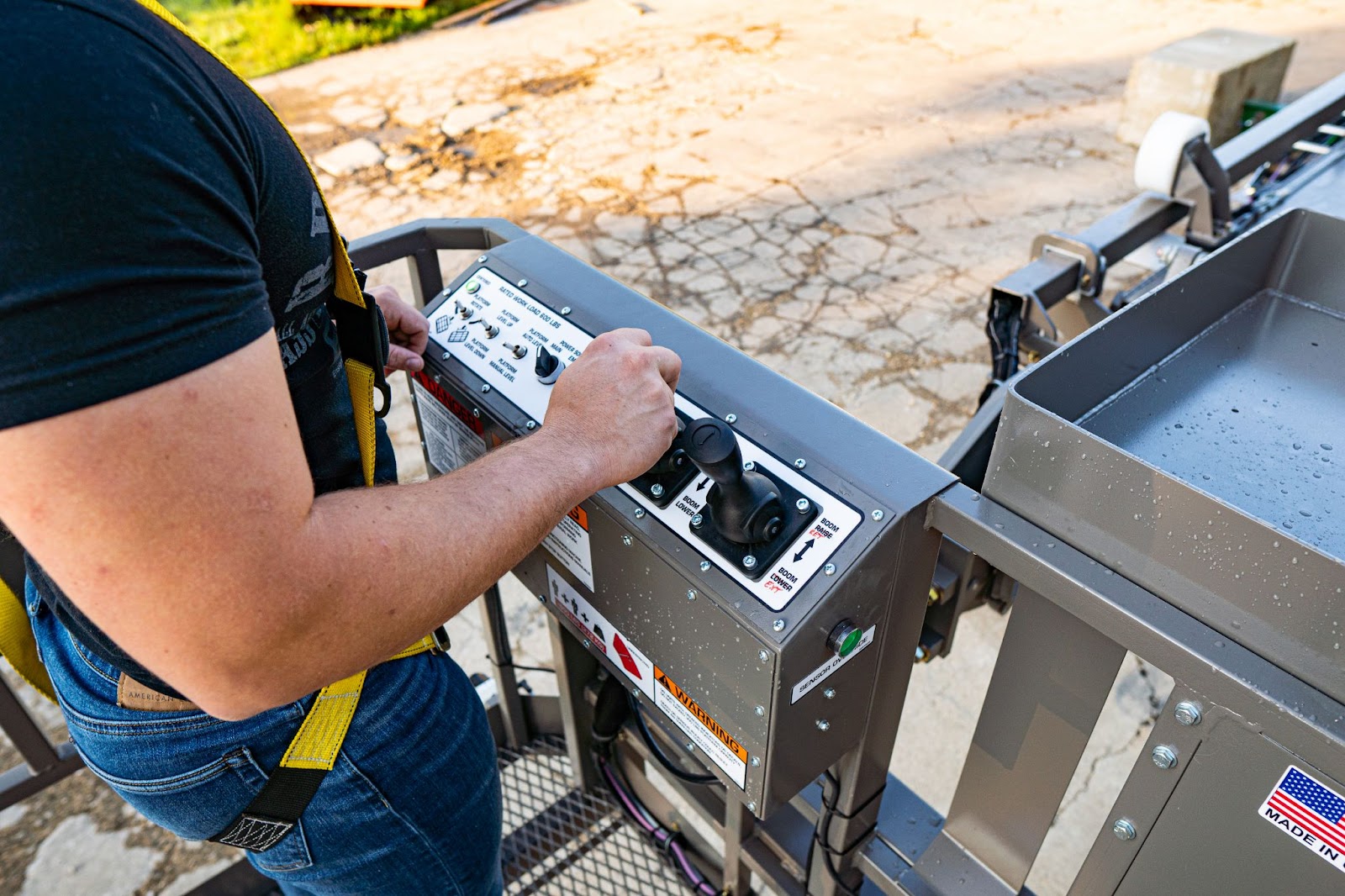
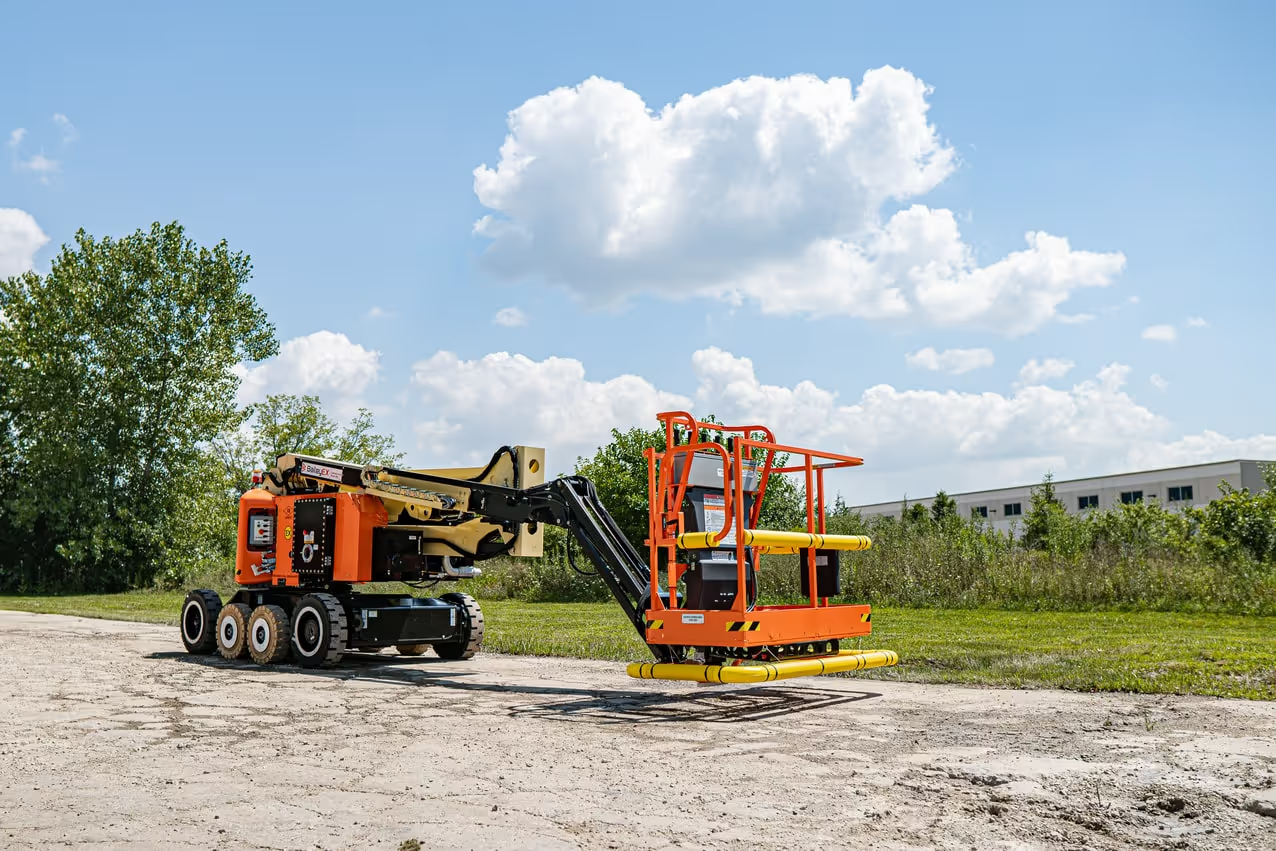
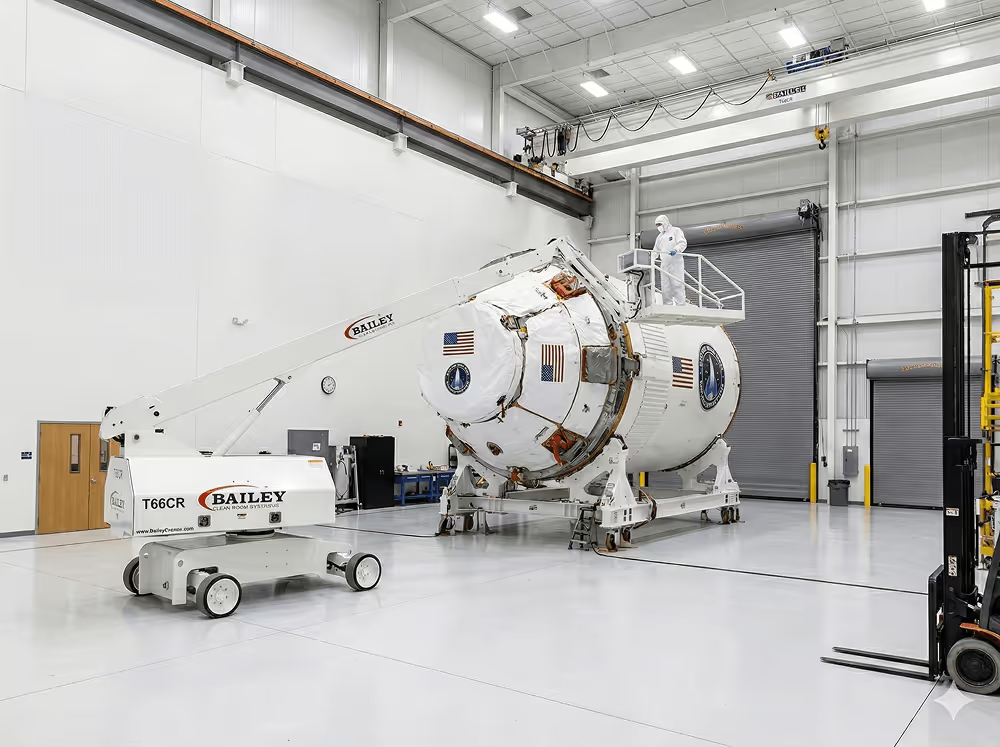
Bailey Specialty Cranes & Aerials designs and certifies explosion-proof MEWPs (Mobile Elevating Work Platforms) specifically for combustible dust and vapor environments.
Each unit integrates:
- Fully sealed EX-rated electrical architecture
- Non-sparking design and materials
- Battery or AC electric configurations (no combustion risk)
- Ground-up engineering for hazardous classification compliance
- Independent third-party testing and certification
In short, when dust becomes fuel, the lift itself must never become the ignition source.
A Leadership Mindset, Not a Maintenance Checklist
Every explosion investigation ends with the same finding: the hazard existed long before anyone noticed.
For safety and operations leaders, this means the goal isn’t to prevent equipment failure but to eliminate assumptions. Environments evolve, classifications change, and maintenance routines often introduce new risks.
The most effective leaders ask:
“Could this environment become hazardous under the right conditions?”
If the answer is even a cautious yes, then hazard-rated equipment is not optional, but an operational insurance.
The Bottom Line
In explosive environments, there are no second chances. A single equipment oversight can turn a maintenance routine into a major incident.
The right lift isn’t just about productivity in an industrial setup. It’s about protection, compliance, and operational continuity.
If your facility involves combustible dust, classified zones, or hazardous maintenance areas, Bailey Cranes can help you specify, certify, and deploy the right EX-rated solution for your operation.
Contact Bailey Cranes
tim@baileycranes.com
www.baileycranes.com


.avif)