5 Types of Aerial Work Platforms: Complete AWP Guide & Uses
January 31, 2026
As the industrial operations in the United States of America (USA) continue to grow and become more complex, many sectors now face a common challenge, such as accessing elevated work areas safely and efficiently, especially in mission-critical environments where traditional equipment like ladders or scaffolding is not suitable. These tasks become even more demanding in facilities with hazardous conditions, restricted spaces, or strict compliance requirements.
To support these needs, Aerial Work Platforms (AWPs), or working at height, offer safer positioning, better control, and faster completion of tasks. From routine maintenance to complex installation work, AWPs help teams operate more efficiently, reduce manual strain, and improve overall jobsite safety.
In this blog, let’s explore the major types of aerial work platforms, how each one supports different height-access needs, and why they have become essential for safer, faster, and more reliable work across modern job sites.
The Expertise Of Aerial Work Platforms And Their Use In Industrial Operations
Aerial work platforms (AWPs) are mechanical lifting systems designed to elevate workers, tools, and light equipment to safe working heights. Unlike ladders or temporary setups, AWPs offer a stable platform, controlled movement, and significantly improved safety.
Elevated Work Platforms (EWPs) have become indispensable across industries because they can:
Enhance on-site safety by providing secure, guarded working positions
Speed up task completion with quick elevation and mobility
Reduce manual handling and physical strain on workers
Offer flexible access for both indoor and outdoor operations
Whether it’s replacing overhead lighting in a factory or inspecting structures in a large industrial facility, aerial lifts bring predictability, efficiency, and consistency to all types of elevated work.
5 Major Types of Aerial Work Platforms
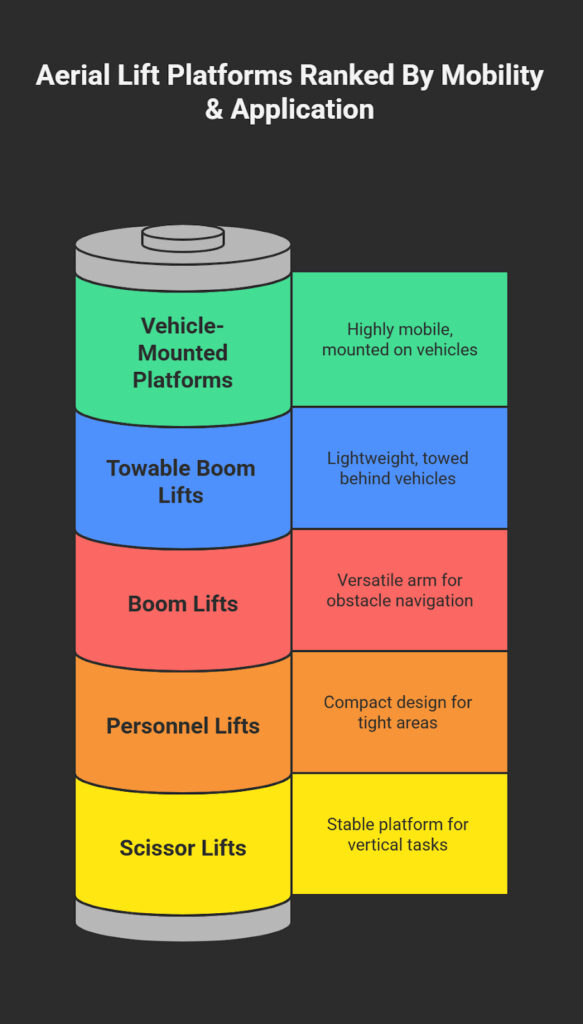
1. Scissor Lifts: Stable Vertical Access for Indoor Tasks
Scissor lifts are the most widely used aerial work platforms, especially in indoor or level-surface environments. These lifts move strictly vertically, making them ideal for jobs that require height without horizontal reach.
Common Uses:
Warehouse inventory management
Assembly line support
Electrical and lighting installation
HVAC system maintenance
Their wide platforms allow workers to carry tools comfortably, improving productivity and safety in industrial facilities.
2. Boom Lifts: Maximum Height and Horizontal Reach
Boom lifts are used when operators need both elevation and reach. These lifts can extend vertically and horizontally, making them suitable for complicated access areas.
Types:
Articulating boom lifts: Bend around obstacles
Telescopic boom lifts: Provide long, straight outreach
Common Uses:
Building construction and finishing
Large-scale repair and maintenance
Industrial plant servicing
Facade and signage installation
Boom lifts offer flexibility where scissor lifts fall short, especially in obstructed or angled work areas.
3. Vertical Mast Lifts: Best for Tight and Narrow Spaces
Vertical mast lifts are compact, lightweight, and easy to maneuver. They access narrow aisles and congested industrial layouts where larger platforms cannot operate.
Common Uses:
Narrow warehouse aisles
Indoor repair and maintenance
Facility upkeep in crowded spaces
Accessing machinery inside manufacturing units
These lifts allow operators to reach elevated areas without disrupting ongoing work or taking up much floor space.
4. Trailer-Mounted Boom Lifts: High Mobility for Outdoor Jobs
Trailer-mounted boom lifts are built for mobility and convenience. These boom lifts come with a towable design, making them ideal for outdoor tasks spread across multiple locations.
Common Uses:
Outdoor cleaning and landscaping
Signboard installation
Infrastructure maintenance and repair
Their quick setup and portability make them a preferred choice for contractors and service crews.
5. Vehicle-Mounted AWPs: Roadside and Infrastructure Specialists
Vehicle-mounted AWPs combine height with transport flexibility. Being mounted on trucks or utility vehicles allows them to move directly between job sites.
Common Uses:
Power line maintenance
Telecom tower repair
Bridge and highway inspection
Civil construction and infrastructure work
These platforms are essential for industries that require constant mobility and field operations.
Selecting an Aerial Work Platform: Major Considerations in Industrial Purchases
Choosing the appropriate AWP is vital for safety and productivity. Industries usually consider:
Height Requirements: Maximum working position needed
Load Capacity: Number of workers and tools supported
Terrain: Indoor (flooring), uneven outdoor surfaces, or both
Indoor vs Outdoor Use: Battery-powered (indoor), diesel (outdoor)
Space Limitations: Aisle width, turning radius, and access points
Safety Features: Stabilisation, emergency controls, and fall protection
Proper selection ensures minimal delays, safe operation, and optimal performance.
Sector-Wise Applications of Aerial Work Platforms in the USA
1. Manufacturing & Warehousing
Equipment installation
Routine maintenance
Inventory picking
Overhead repairs
2. Construction and Infrastructure
Finishing work
Structural inspections
Facade applications and painting
3. Utilities & Energy
Electrical grid servicing
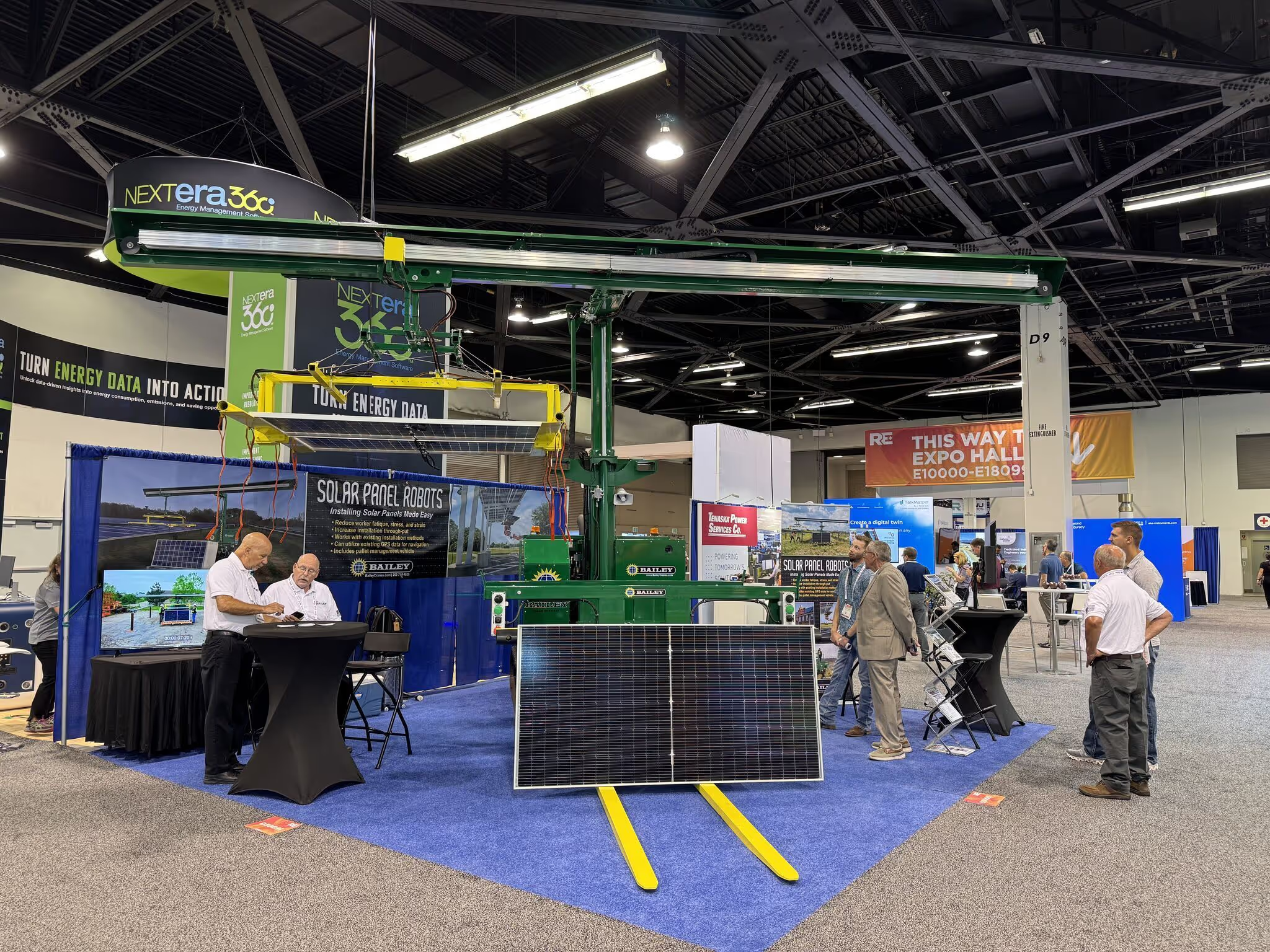
Solar panel installation
Power plant maintenance
4. Automotive & Heavy Engineering
Assembly support
Equipment alignment
Machine repair
5. Facilities Management
Cleaning
Lighting maintenance
Safety inspections
In all these industries, AWPs and MEWPs contribute to efficient and safer height operations.
Benefits of Aerial Work Platforms in terms of Safety, Productivity and Costs
The advantages of aerial lifts over the traditional access methods applied in industries are that they provide quantifiable outcomes:
Lessened Risks: Improved balance, guardrails, and regulated elevation.
Increased Performance: Shorter product cycles and decreased downtime.
Reduced Labor Costs: Reduced manpower and reduced support structures.
Minimal Intervention: Small size to operate in a clean and safe manner.
Aerial platforms enable teams to perform height-related work without having to sacrifice on safety and speed.
Technological Innovations Influencing the Modern Development of Aerial Work Platforms
Modern aerial lifts and MEWPs are becoming smarter, safer, and more energy-efficient. Key advancements include
Quiet, environmentally friendly battery-powered systems
Real-time service and maintenance monitoring via IoT
Enhanced stability for operators at height
Improved platform layout for comfort, accessibility, and visibility
These technologies support digitalization and sustainable industrial practices.
The Role of Bailey Cranes in the Support of Aerial Work Platform
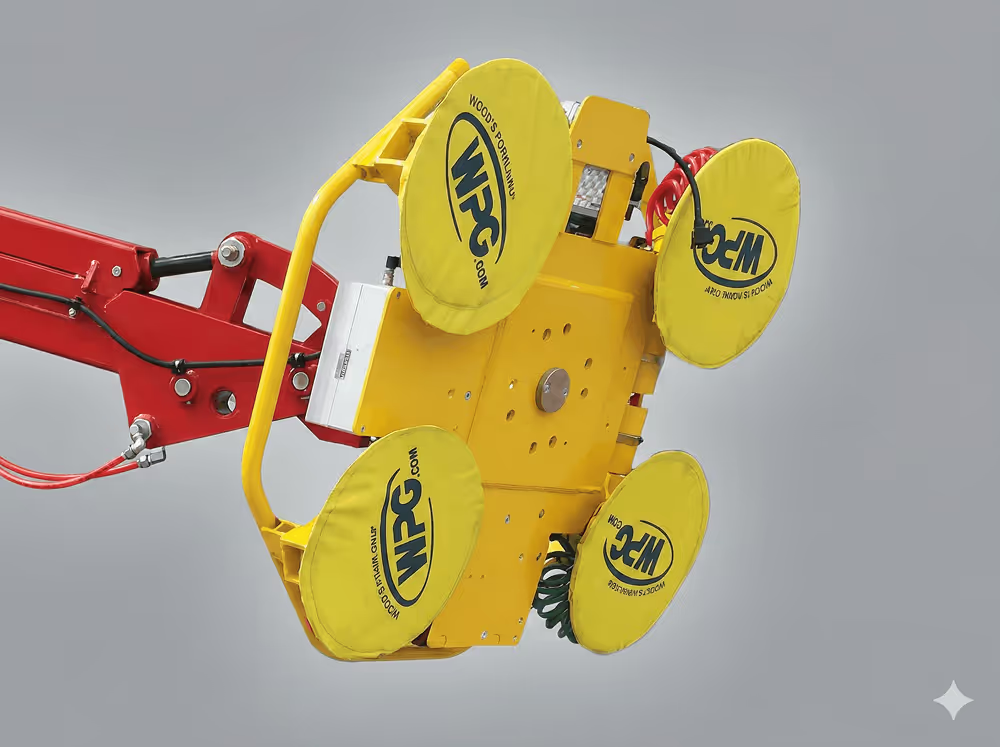
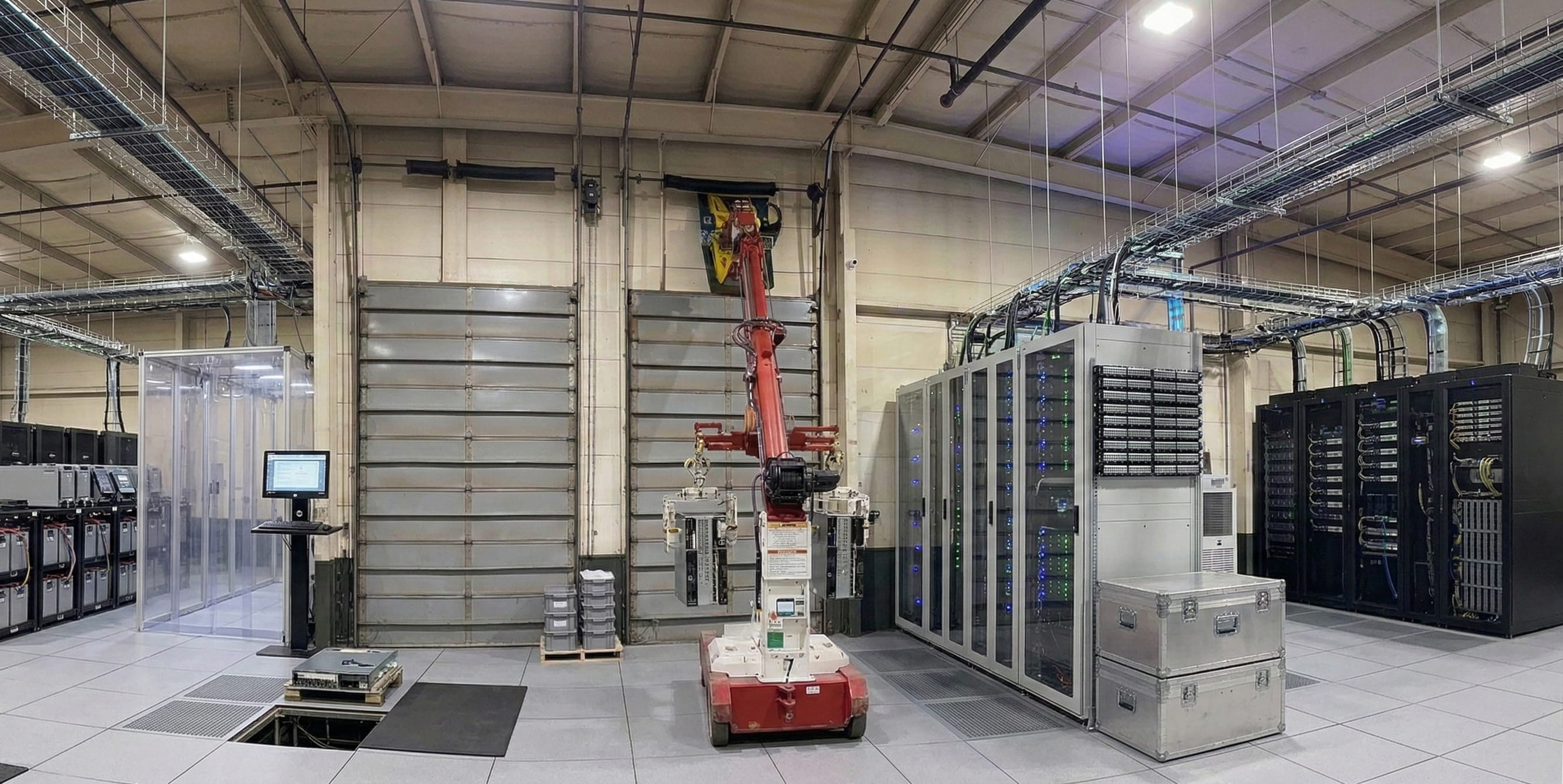
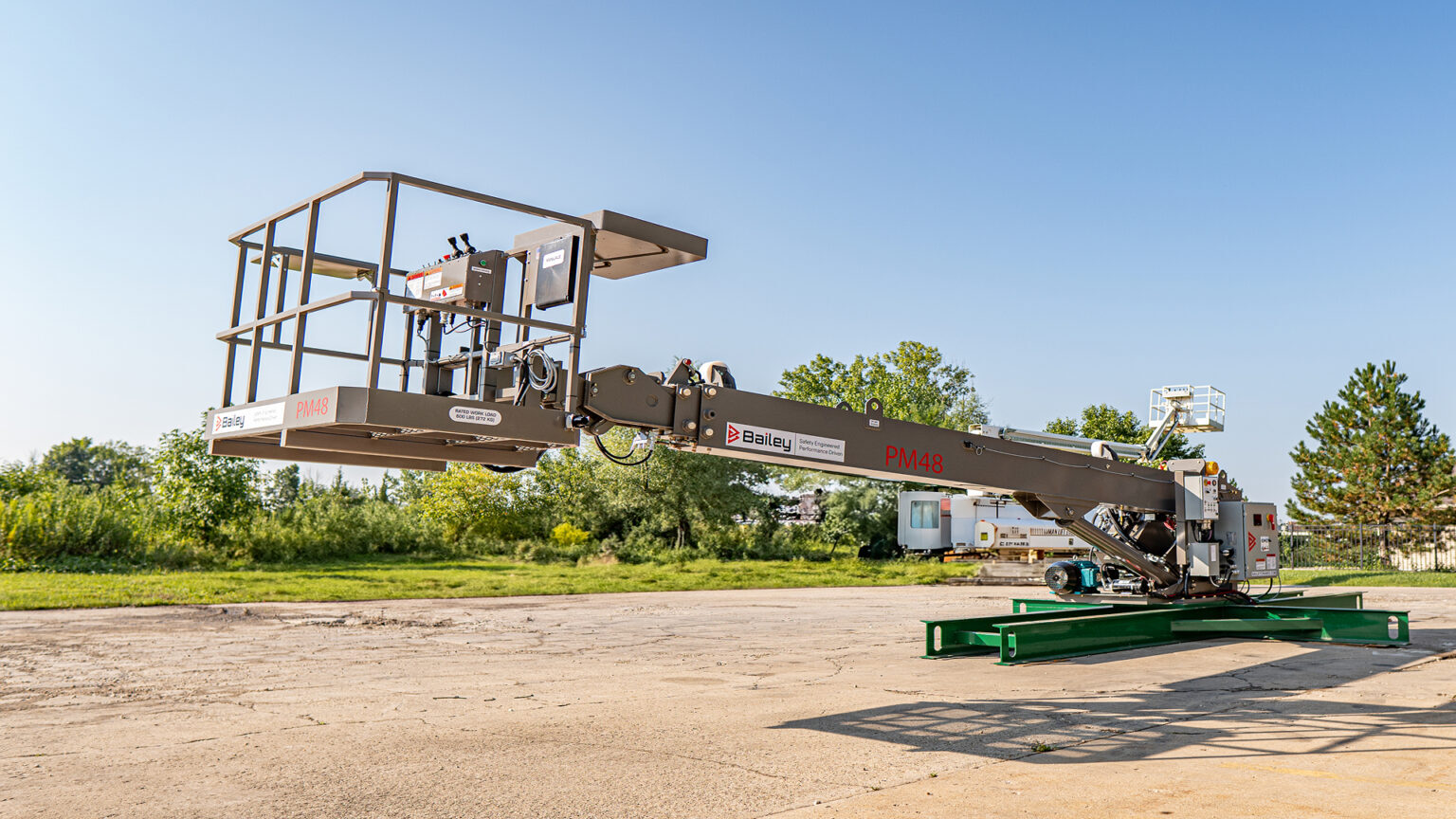
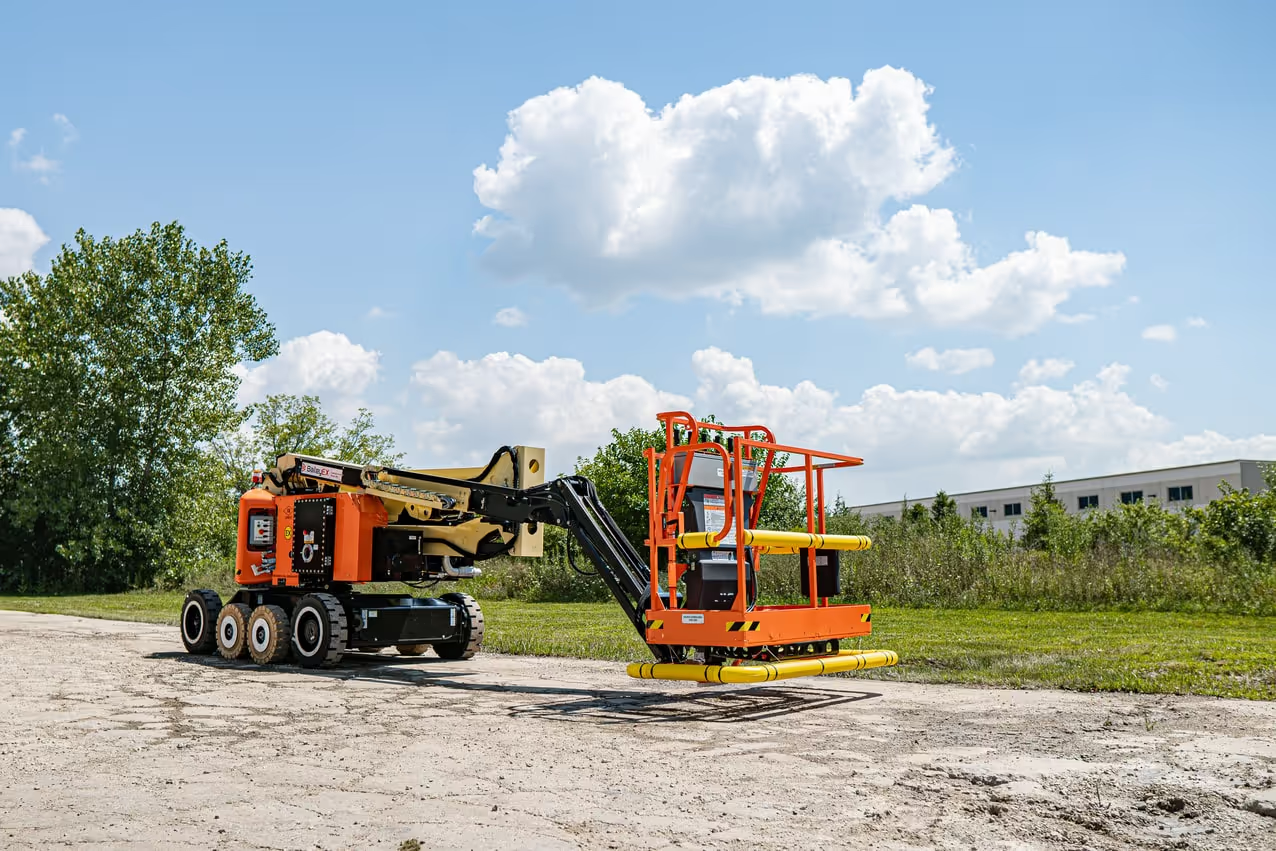
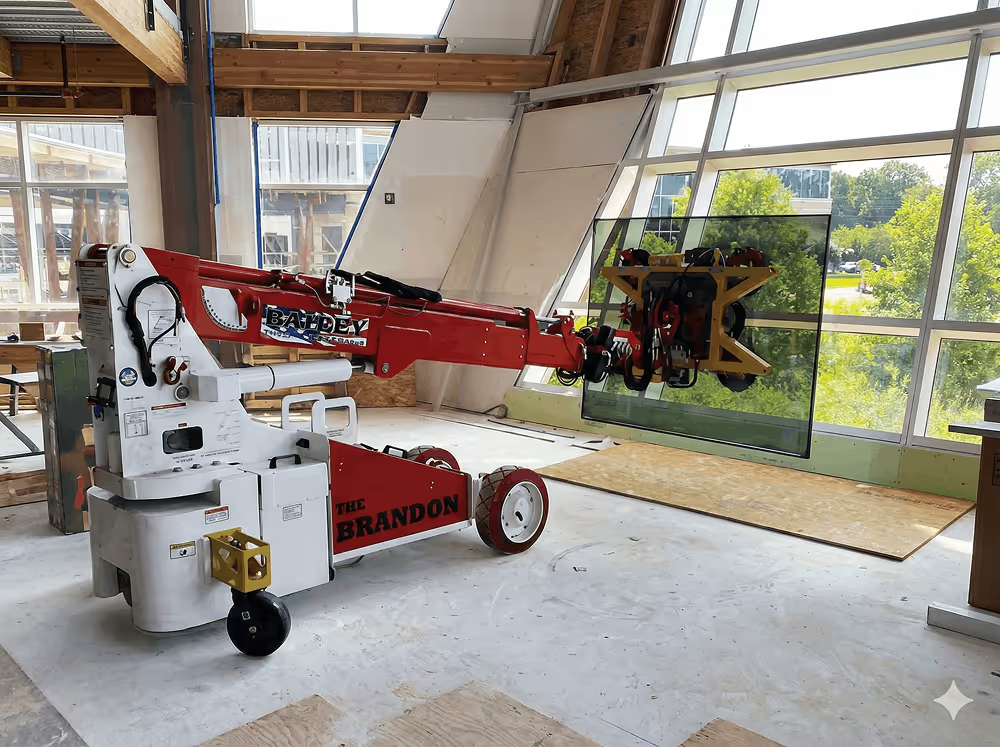
Bailey Specialty Cranes Aerials designs, engineers, and manufactures high-performance Aerial Work Platforms (AWPs) and Mobile Elevating Work Platforms (MEWPs) for industries where safety, reliability, and precision are critical. As a service-disabled veteran-owned company, Bailey produces precision-engineered solutions, including swing-bearing assemblies, bespoke boom assemblies, and specialized man-lift modifications, ensuring equipment performs reliably under the most demanding conditions.
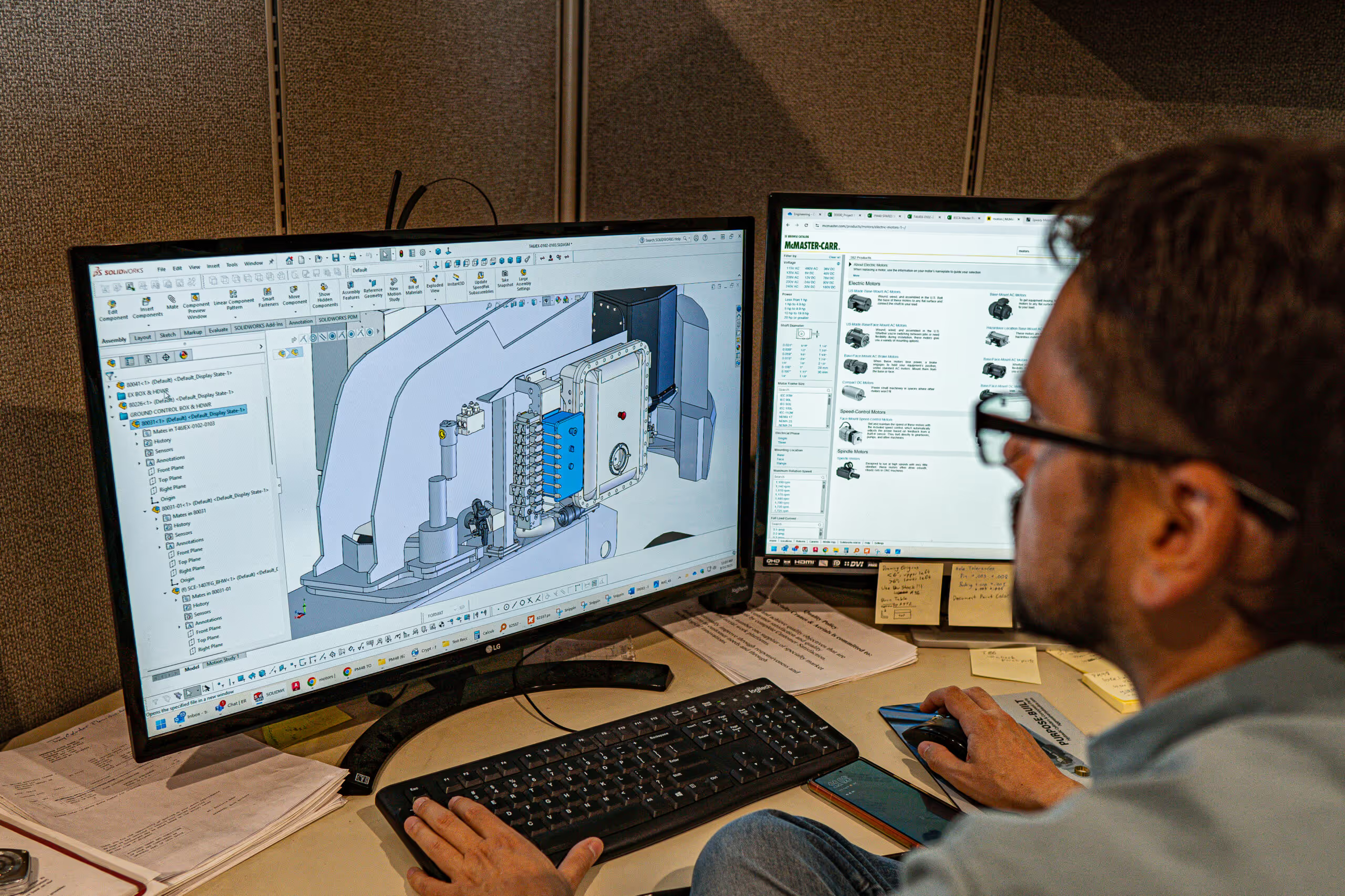
Our experienced engineering team has developed numerous custom installations that meet unique project requirements without compromising safety or efficiency. Advanced collision-avoidance systems further enhance our platforms, protecting both personnel and equipment.
Every component is manufactured to strict industry standards of strength, consistency, and safety, enabling Bailey to deliver AWPs and MEWPs that meet the rigorous demands of mission-critical environments. With over 20 years of engineering expertise, Bailey ensures each platform operates with accuracy, reliability, and zero compromise.
Conclusion
The demand for safe, dependable, and efficient access to elevated work areas continues to rise across construction, utilities, manufacturing, and service sectors in the USA. Aerial work platforms play an important role in supporting these operations by reducing risks and helping teams complete height-related tasks. Bailey Cranes supports this industry shift by engineering and manufacturing specialty lifting and access equipment designed for challenging environments.
As the demand for safer and smarter height-access tools grows, Bailey Cranes continues to contribute to the advancement of aerial work technology in the United States, delivering equipment that supports modern industry needs and long-term operational reliability.
Ready to lift your service?
Contact our sales team to see how we can build out a custom design for your application today.
Partner with Bailey to transform proven platforms or build fully custom lifting solutions—engineered, manufactured, and supported under one roof for mission-critical environments where failure is not an option.
Bailey Specialty Cranes & Aerials is a Service-Disabled Veteran-Owned engineering and manufacturing firm based in Muskego, Wisconsin. We specialize in precision access solutions for industries where the margin for error is zero.


.avif)