Mini cranes have grown to be a leading ultimatum in material handling and compact lifting solutions. Stats show that the mini crane market is forecasted to grow over $770 million by 2035. However, operating these cranes in tight spaces comes with unique challenges that affect the effectiveness and safety of the environment. This blog covers the mini crane issues in confined areas and tips to overcome them for better machinery runs.
7 Common Mini Crane Problems in Tight Spaces & Their Fixes
Mini crane mistakes can commonly happen across the industries, especially in tighter spaces. Here are the three phases of mistakes that happened, which need to be monitored and rectified for better mini crane performance and operational efficiency.
Phase 1: Planning & Setup Mini Crane Mistakes
1. Poor Pre-lifting:
There is no doubt that tighter spaces are complicated but there is a high possibility that frequent errors can happen before starting the project with mini cranes. It includes missing load weight checks, defining the lift sequence, or identifying tight turns, leading to sudden changes and unpredictable errors in a closely packed environment.
Mini crane best practices:
Having a clear understanding of the operational area and build a basic lifting strategy (load path, step-by-step sequence, timely alerts and precise operator responsibility) that helps to avoid the errors before resuming the project
2. Inadequate Workspace Assessment:
Mini cranes work in confined or restricted areas where large cranes wouldn’t be able to fit in the place. So there is a possibility that operators may overlook initial planning and measurement, which could lead to a late discovery of issues that could have been addressed earlier.
This might include mini cranes that can’t turn, hits obstacles and load doesn’t fit the actual carriage of mini cranes, leading to major project drawbacks and lost investment costs.
Mini crane safety tips:
It is highly advisable to map out the work zone beforehand, marking obstacles and identifying potential areas where mini cranes could face limitations, such as overhead obstructions and tight corners. This ensures the cranes can move safely and smoothly.
3. Inaccurate Surface and Ground Assessments:
There is a myth that may spread across the industries that mini cranes are compact, weight-friendly, and stabilized and can be operated on any ground or surface type. The truth is that mini cranes might lose their balance if there is a poor surface or weak slabs that compromise the crane’s stability.
Mini crane safety solutions:
Inspect the conditions, check the floor rating, and advise using the proper cribs or mats that are required in the tight space to distribute the weight safely. Using mini cranes with indicators can help you to confirm leveling and detect the tighter places to prevent you from hitting the obstacles.
Phase 2: Pitfalls in Load Handling and Equipment Defects
4. Exceeding Load Chart limits:
This is an important step that needs to be noticed, which also fails frequently due to guesswork without checking load charts for the exact radius, boom length and outrigger position. This leads to the most dangerous and common operator errors.
Mini crane safety tips:
Always refer to the load chart for your current setup, including the weight of the rigging and attachments. Most mini crane models used in tight-space work typically lift 1,000–6,000 pounds, depending on the boom length, radius, and setup.
5. Undercarriage & Mobility Mishaps:
When the undercarriage is neglected, especially in the tighter spaces, it affects the mini cranes, which may create a negative impact, such as collisions, because either the crane may drift or it may create a functionality issue with the machines.
Mini crane best practices:
Facilitate routine inspections, track everyday crane activity, keep the machines and tracks clean and replace worn parts and track pads promptly.
Phase 3: Human Errors & Machine Maintenance Check
6. Insufficient Operator’s Training:
Assume that the mini crane is ready to operate in a tight space, but the operators lack the experience needed to safely handle the equipment. Even professionals can make mistakes even if they aren’t trained with the specific model. Misreading the load charts, incorrect remote-controller operation and other minute issues can cause a serious problem in tight-space lifting.
Mini crane safety tips:
Operators of mini cranes typically need an OSHA (Occupational Safety and Health Administration)-recognized crane operator certification along with employer-provided model-specific training. OSHA also requires proper perceiving of load charts, stability, and safe lifting practices to ensure compliance not just for tight spaces but for all mini crane operations.
7. Electric or Battery System Malfunctions:
Many mini cranes are built with hybrid systems, combining electric or battery-powered operations. While malfunctions may be common in these models, neglecting proper care can lead to more serious issues.
Mini crane safety solutions:
To fix these issues, it is highly recommended to run diagnostics, do regular battery health checks, manage control panels and ensure sensors work properly. The hybrid mini crane requires special attention, as it works efficiently in high-demand environments when properly maintained. Failure to do so can lead to serious issues, potentially disrupting scheduled operations.
Bailey Cranes: Your Reliable Partner for Tailored Mini Cranes Support
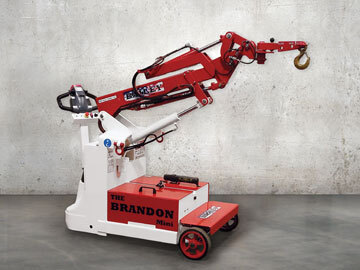
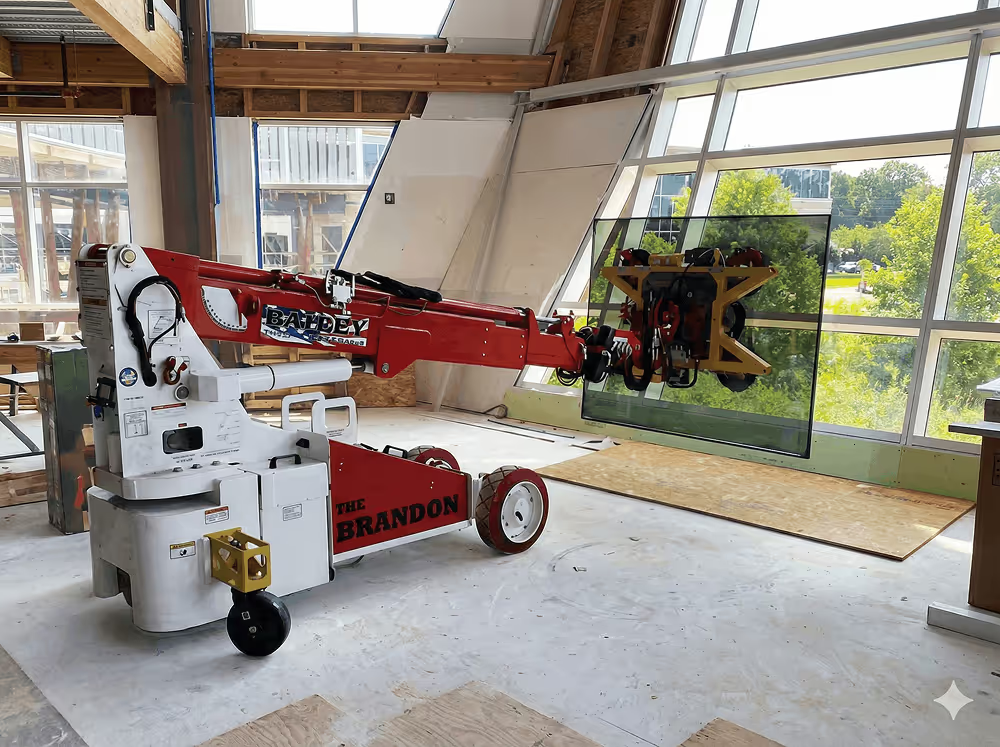
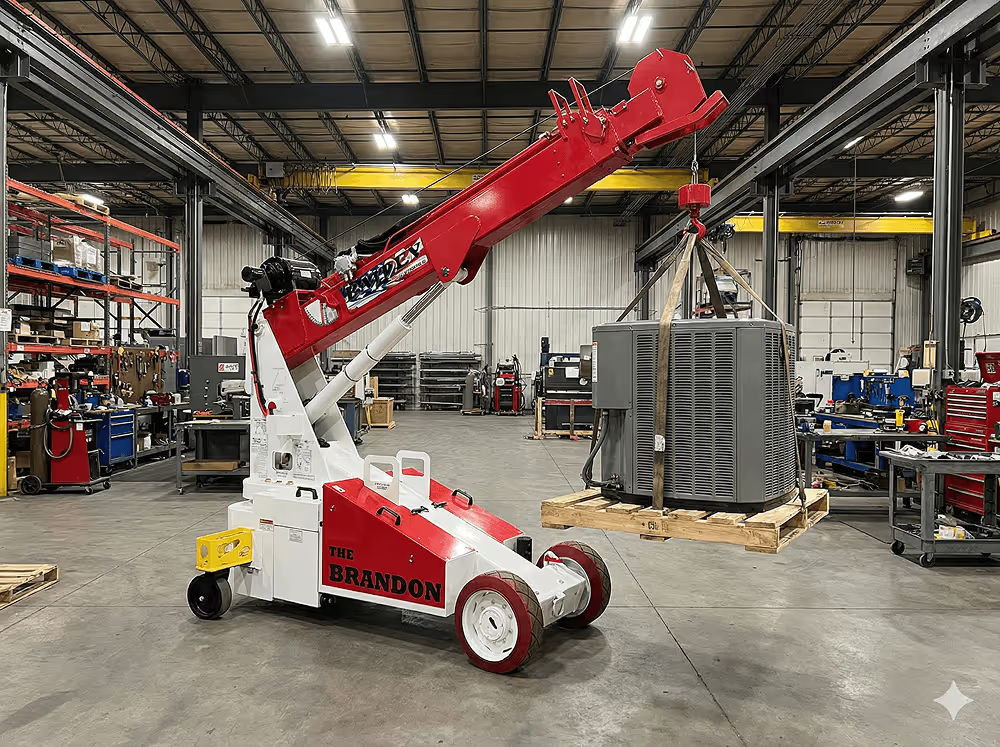
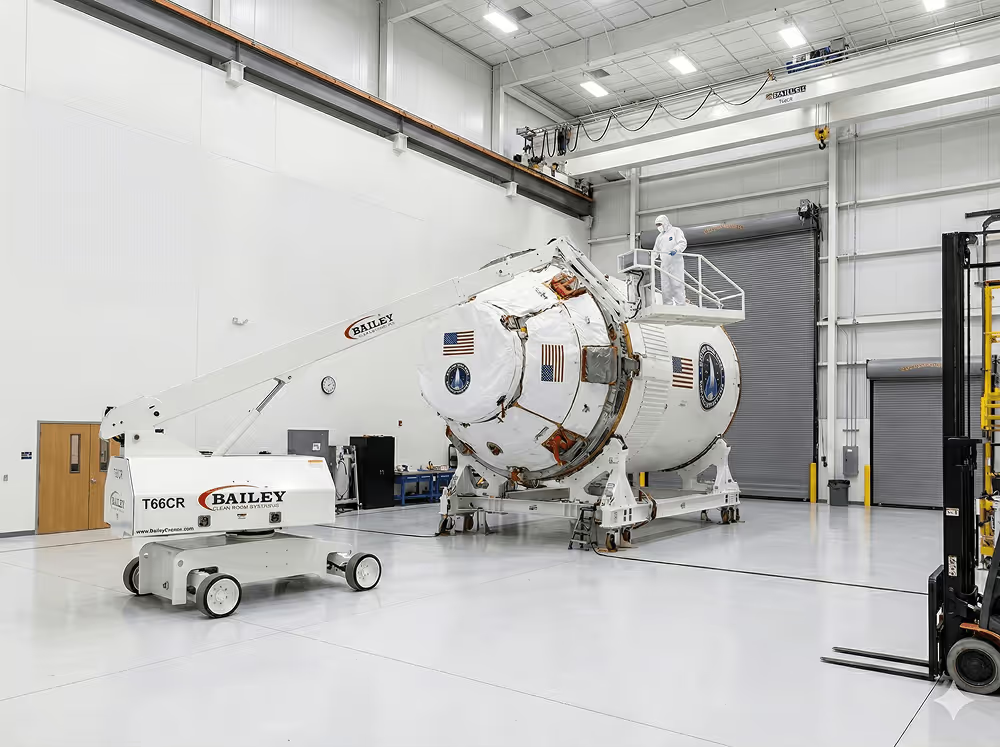
Bailey Cranes is a veteran-owned small business based in Muskego, Wisconsin. The professional team at Bailey can help in offering you the most versatile lifting solutions for all crane support. Our unique mini crane solutions are built with attachments specifically designed for a variety of lifting challenges, and they can be installed and configured quickly.
Various mini crane models provided by Bailey Cranes are
- MC Mini: For precise glass and material lifting in tight spaces.
- The Flipper: Positions glass panels on tables for prep and finishing.
- MC Junior: Built for narrow shafts and indoor areas with strict height limits.
- MC 6: Accurate lifting of glass and materials indoors or outdoors.
- MC 6 Electric: A zero-emission electric telehandler designed for quiet, clean indoor lifting.
- MC Trax: For stable lifting on uneven outdoor surfaces.
- MC Omni: A multidirectional telehandler that maneuvers easily in confined, obstacle-heavy spaces.
- MC 10 Omni: An omnidirectional crane for installing large panels with precision.
Final Note
Operating mini cranes in tight spaces needs careful attention, technical precision and consistent maintenance. By addressing these common pitfalls, companies can improve safety, efficiency and reliability. Implementing these practices in operations can prevent serious drawbacks, resulting in improved mini crane performance and increased company credibility in any confined areas.


.avif)