Crane inspection and maintenance are more than just routine tasks; they’re essential practices that keep operations running smoothly and safely. With regular use of cranes comes wear, and even the smallest issue can lead to unexpected downtime, costly repairs, or safety risks if left unchecked.
That’s why consistent inspection and maintaining a crane checklist is critical. This helps to not only catch early signs of damage but also to ensure the crane performs at its best every day.
To make inspections effective and manageable, it’s important to follow a structured checklist. Whether it’s a quick daily checklist or a detailed yearly service, each level of inspection plays a crucial role in maintaining the crane’s reliability and safety. A well-maintained checklist provides companies with clarity, enhances accountability, and helps prevent oversights that could impact both performance and worker safety.
In this guide, we’ll break down exactly what to check daily, monthly, and yearly, so your crane stays ready for the job, no matter what the schedule is.
Signs Your Crane Needs Immediate Attention
Cranes are built for heavy-duty work, but like all equipment, they can develop issues over time. Recognizing early warning signs is critical to maintaining a safe job site and avoiding equipment failure.
- One of the most common signs that a crane needs immediate attention is unusual noises during operation. This includes grinding, screeching, or knocking sounds, which often point to worn-out or loose components.
- Another warning is jerky or uneven crane movement, especially when lifting or rotating. This may indicate problems with the hydraulic system, motor, or electrical controls.
- Delayed or unresponsive controls should also raise concern. If the crane doesn’t respond right away or behaves unpredictably, it could be a sign of internal electrical or mechanical failure.
- Leaks, especially from hydraulic lines, is another urgent issue. Fluids like water and hydraulic fluids pooling near the crane or visible dripping should never be ignored.
- Additionally, visible wear and tear such as cracks in the structure, bent hooks, frayed cables, or signs of corrosion can compromise safety and must be addressed immediately.
Any one of these signs could be a major reason to stop using the crane and arrange for a professional inspection. Ignoring them not only puts the equipment at risk but can also lead to serious safety hazards for workers on-site. Staying alert to these signs and acting quickly is one of the most effective ways to ensure safe and uninterrupted crane operations.
Daily, Monthly, and Yearly Crane Inspection and Service Overview
Crane checklist for inspection and service should follow a clear schedule for daily, monthly, and yearly tasks, in order to keep the machine in a safe and working condition.
1. Daily Inspection and Maintenance Tasks
- Daily crane inspection checklists are quick but crucial. They help catch early signs of wear before they turn into serious problems.
- Each day before use, operators or maintenance staff should check the main parts of the crane for any signs of wear, damage, or malfunction. This includes examining the hooks for cracks or bends, making sure the wire ropes or chains are free from cuts, frays, or signs of stretching, and checking that all safety devices like brakes, limit switches, and emergency stops are working properly.
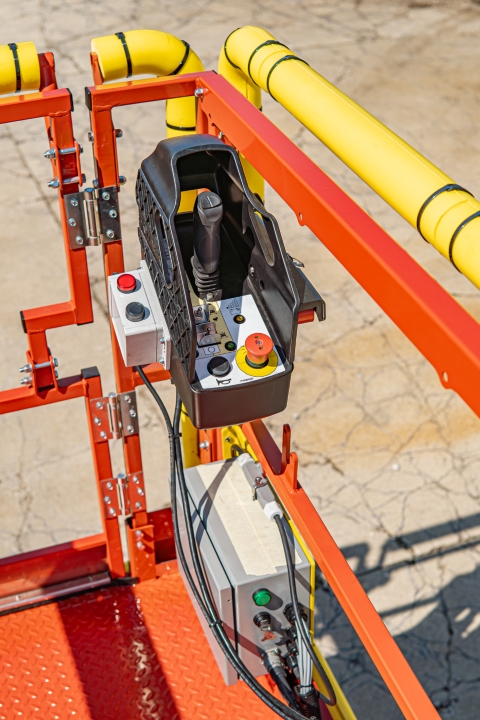
- The controls must be tested to confirm smooth operation, and warning signals like horns or lights should function correctly.
- Fluid levels, such as oil or hydraulic fluids, should also be checked and topped up if needed.
- In addition, the area around the crane should be clean and clear of any obstacles. By completing these steps daily, companies can reduce the risk of accidents, prevent sudden breakdowns, and keep lifting operations running smoothly.
2. Monthly Inspection and Maintenance Tasks
- Monthly maintenance of cranes is more detailed and involves a closer inspection of key components. This includes checking the condition of the brakes, inspecting the alignment of moving parts, and tightening any loose bolts or fittings.
- Electrical systems and the hydraulic system should also be tested to ensure they’re running as expected. This step helps prevent issues such as delayed controls or unexpected shutdowns, which can affect safety and performance on the job.
3. Yearly Inspection and Maintenance Tasks
- Yearly maintenance is a full-service review that should be handled by trained professionals. It involves a complete annual inspection of the crane’s structure, motor, and control systems. Parts that show signs of fatigue or wear, such as frayed wires or corroded sections, must be repaired or replaced.
- Annual crane inspection also includes reviewing the crane’s performance history to spot any recurring issues. This thorough inspection ensures the crane remains reliable for long-term use and meets safety standards for heavy-duty work.
Following this schedule helps identify and fix small issues before they become major problems. It also keeps workers safe and ensures that the crane is always ready to perform without unexpected delays.
How Bailey Cranes Makes Maintenance Simple and Hassle-Free
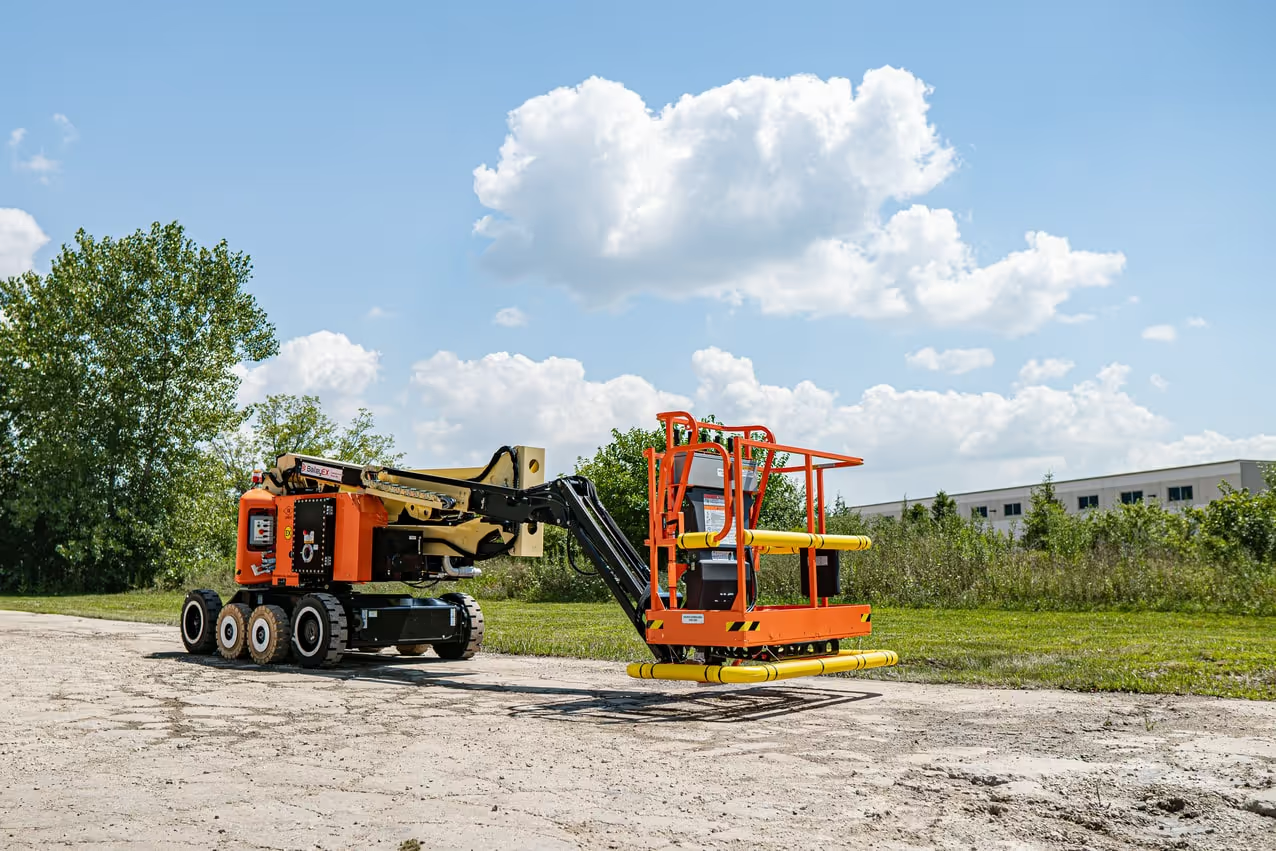
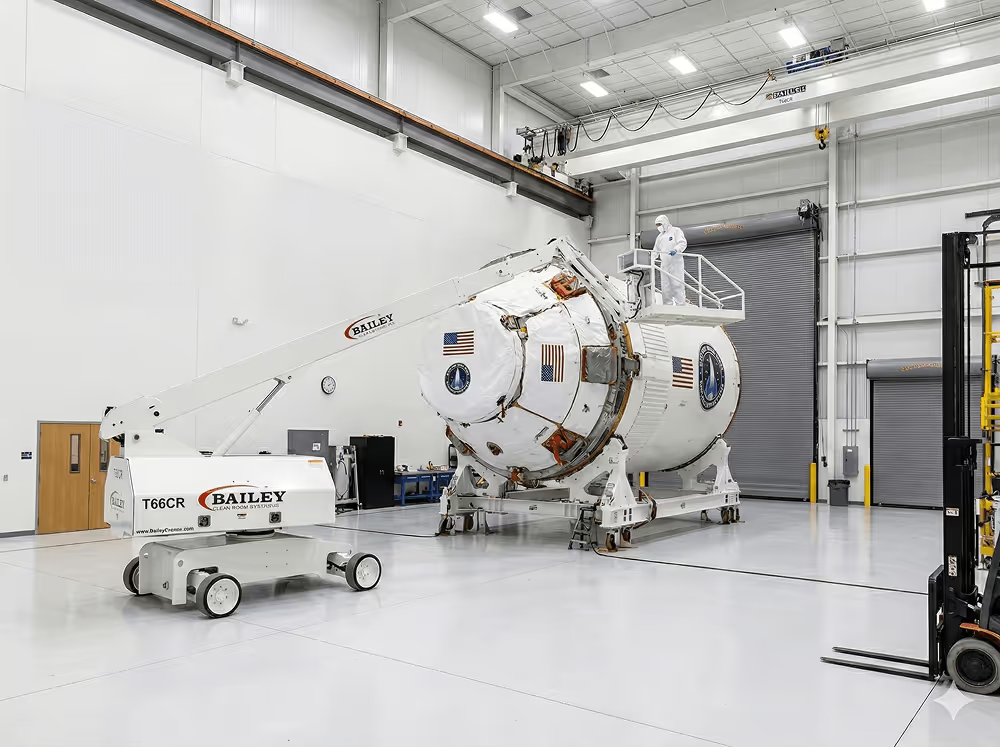
Bailey Cranes is a veteran-owned small business based in Muskego, Wisconsin. Since 2010, Bailey Cranes has always focused on designing and building reliable Mobile Elevating Work Platforms (MEWPs) and custom cranes for specialized industries. With over 20 years of industry experience, the company has earned the trust of major clients like NASA, the U.S. Air Force, and Boeing. Bailey Cranes are known for our innovative and tailored lifting solutions,and continue to lead the way in delivering high-quality equipment designed for unique and demanding job sites.
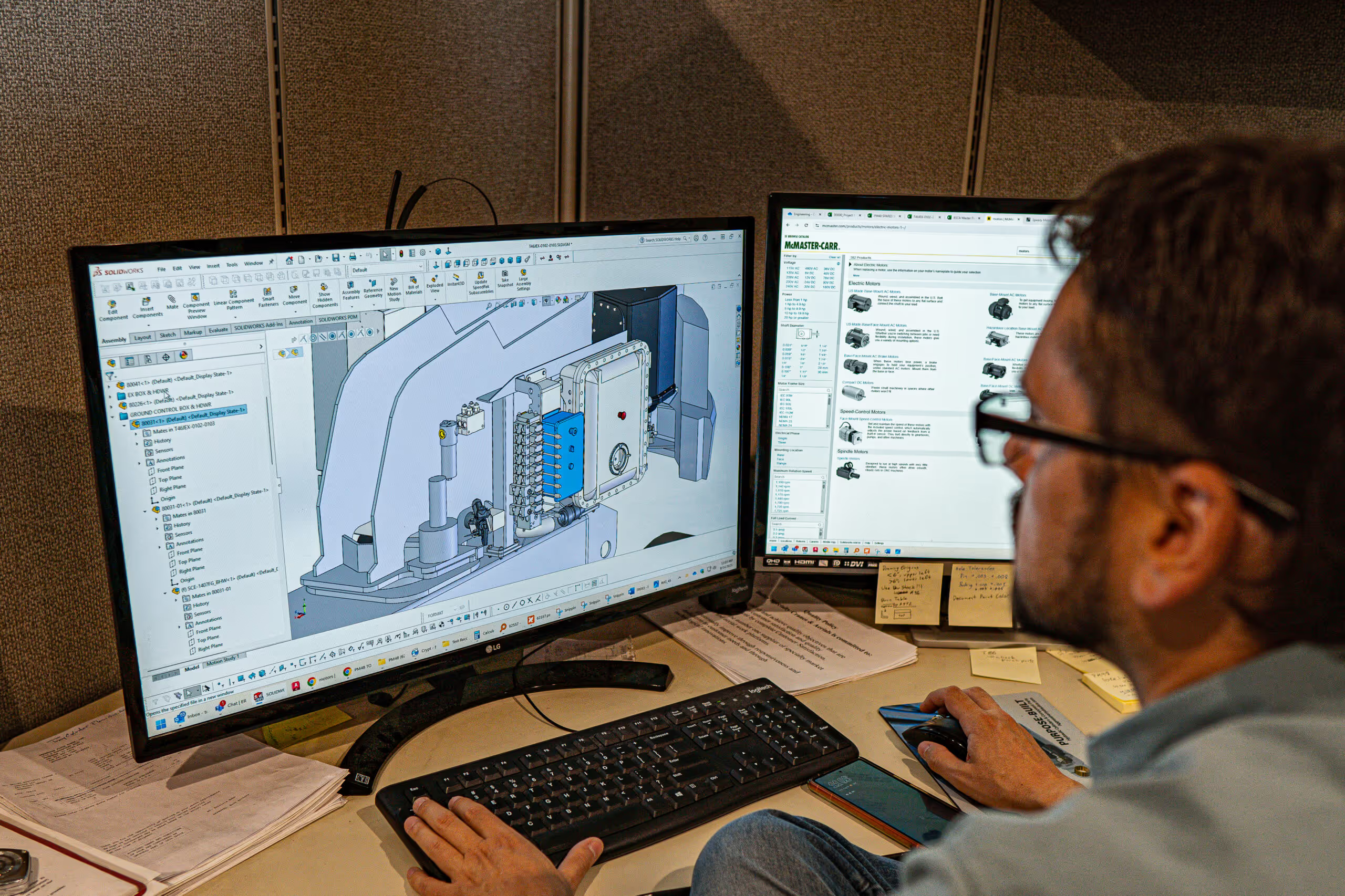
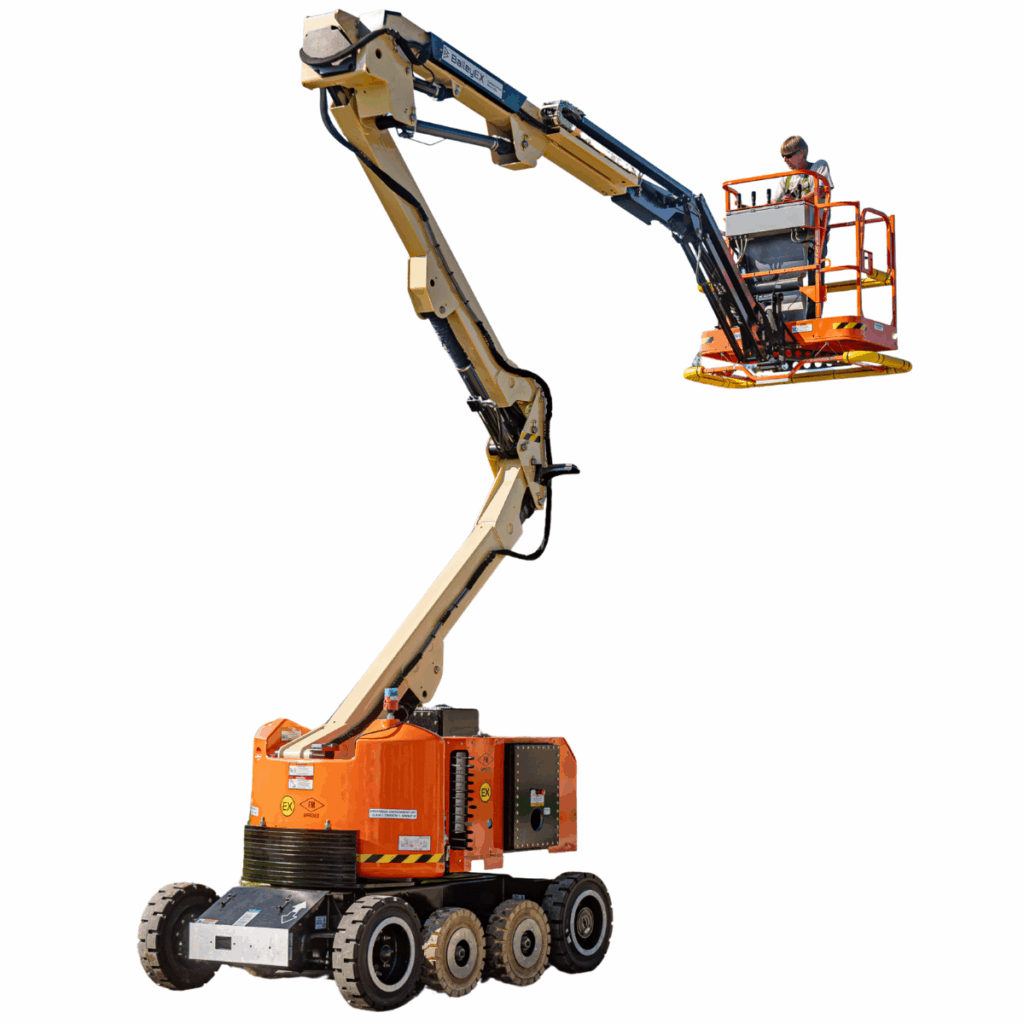
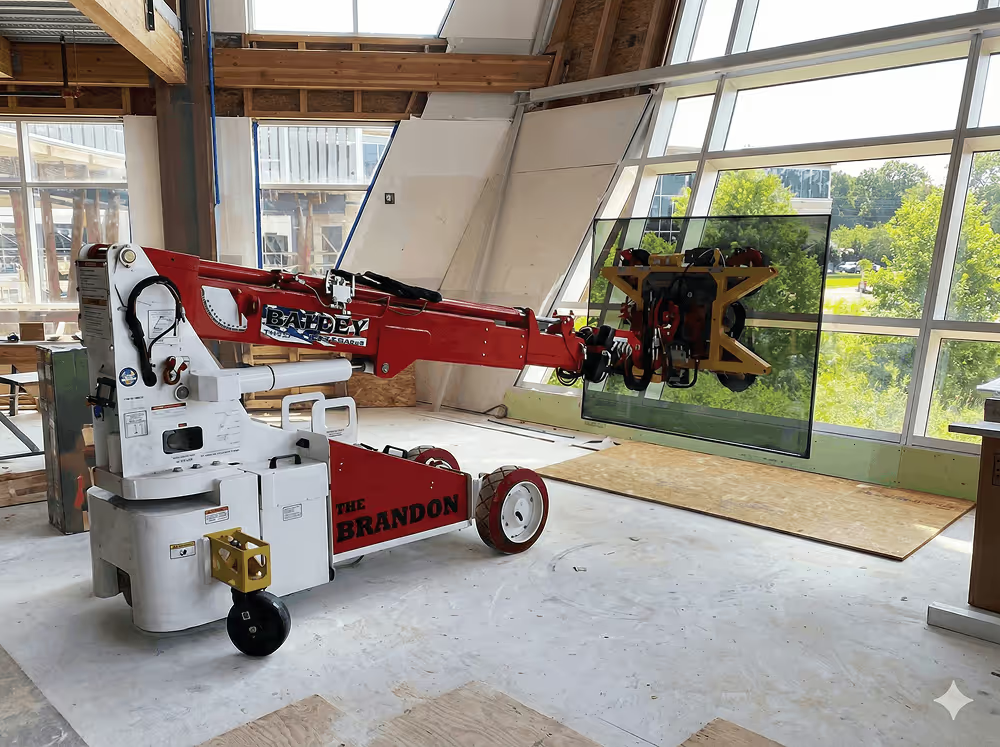
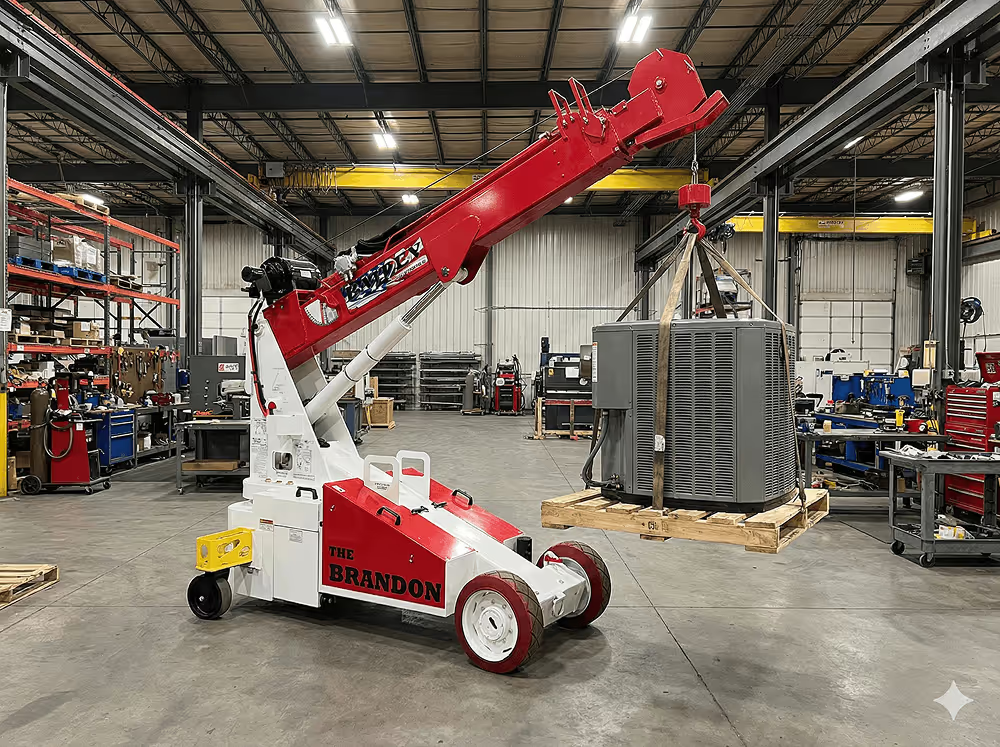
At Bailey Cranes, every machine is designed with ease of maintenance in mind. With years of experience serving industries like aerospace, defense, and construction, we understand the importance of reliable equipment that’s also easy to inspect and service. Our custom cranes and aerial lifts are built not only for performance but also for practical, everyday use. We pay close attention to how teams use and maintain their equipment, making sure components are easy to access, inspection points are clearly marked, and systems are designed for quick overhead inspection and smooth service routines.
Our machines are tailored to support overhead crane maintenance, whether it’s for daily checklists, monthly reviews, or full yearly checkups. Our equipment features smart layouts, safety-driven design, and modern load-sensing technologies that help identify wear and tear before it becomes a problem. These advanced features help reduce downtime, create a safer worksite and create a smoother experience for the companies who partner with Bailey Cranes.
Conclusion
Regular crane inspection and overhead hoist inspection are thus essential to keep operations safe, smooth, and free from costly interruptions. As cranes handle tough jobs in demanding environments, small issues like odd noises, jerky movements or fluid leaks can quickly grow into serious problems if not addressed in time.
That’s why it’s important to follow a clear inspection routine. Daily checks help catch early signs of trouble, monthly tasks provide a deeper look into the crane’s systems, and yearly servicing ensures the equipment remains in top working condition for the long run.
At Bailey Cranes, we understand how critical these inspections are, and we design our cranes to make maintenance simpler and more efficient. With safety-first features and custom-built machines made for specific industries, our equipment supports clear, structured inspection at every stage.
Contact Bailey Cranes for assistance in selecting customized solutions that will help companies stay ahead of maintenance needs and keep their operations running reliably.
To learn more about our lifting solutions, contact Bailey Cranes at 262-710-4028 or email us at sales@baileycranes.com. We have an experienced team of professionals who will help you choose the right cranes that offer easier maintenance.


.avif)