Working in high-risk environments like chemical plants, aerospace facilities, oil & gas sites, and explosive zones comes with challenges that normal equipment cannot always handle. When teams need to work at height, choosing between a compact aerial lift or a custom aerial boom lift can change how safe the site is, how fast work gets done, and how much the equipment really costs over time.
As companies adjust to the evolving OSHA aerial lift standards and follow stricter safety rules, the difference between regular equipment and custom-built machines becomes increasingly apparent. This article breaks down the differences between the two lifts and the key factors to consider when determining which option truly delivers long-term performance, compliance, and ROI.
Understanding the Difference: Standard vs Custom Aerial Lifts
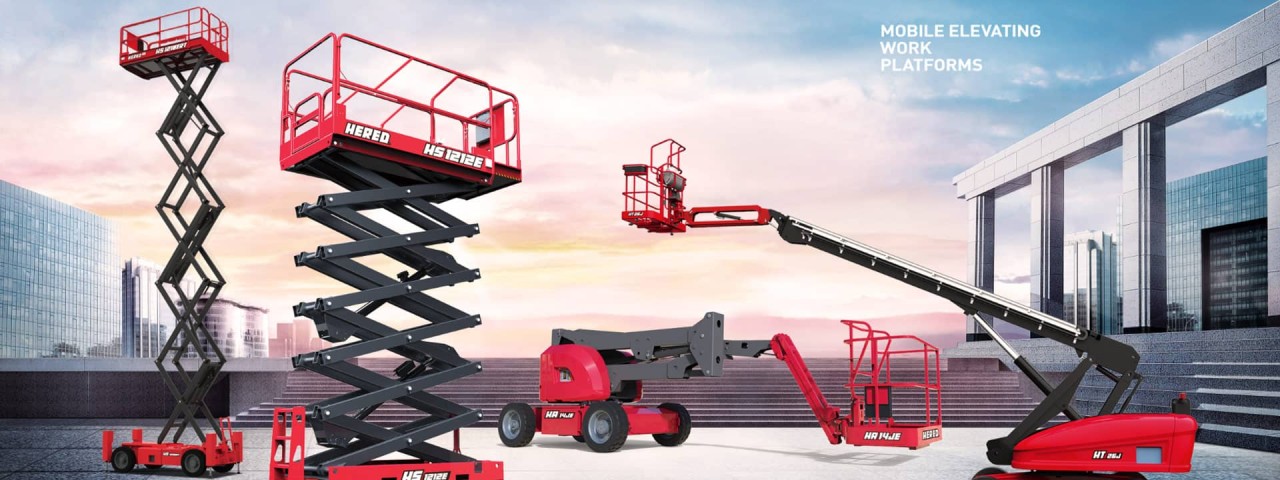
Standard aerial lifts are built for general-purpose use and are perfectly suitable for warehouses, basic construction, and low-risk tasks. They offer broad utility but minimal specialization.
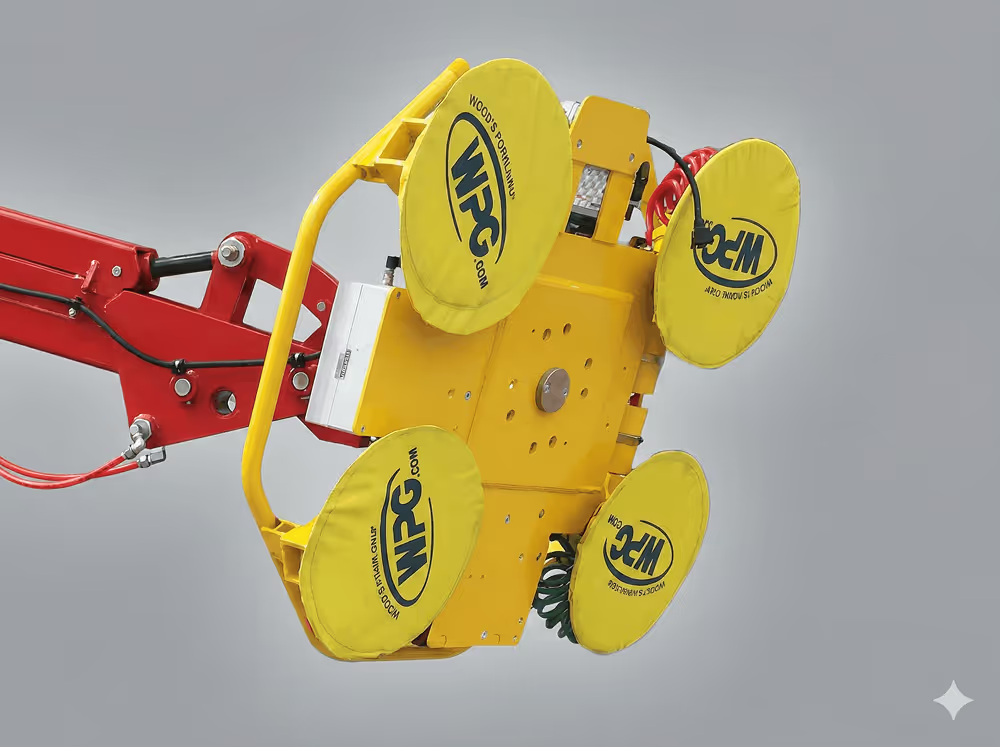
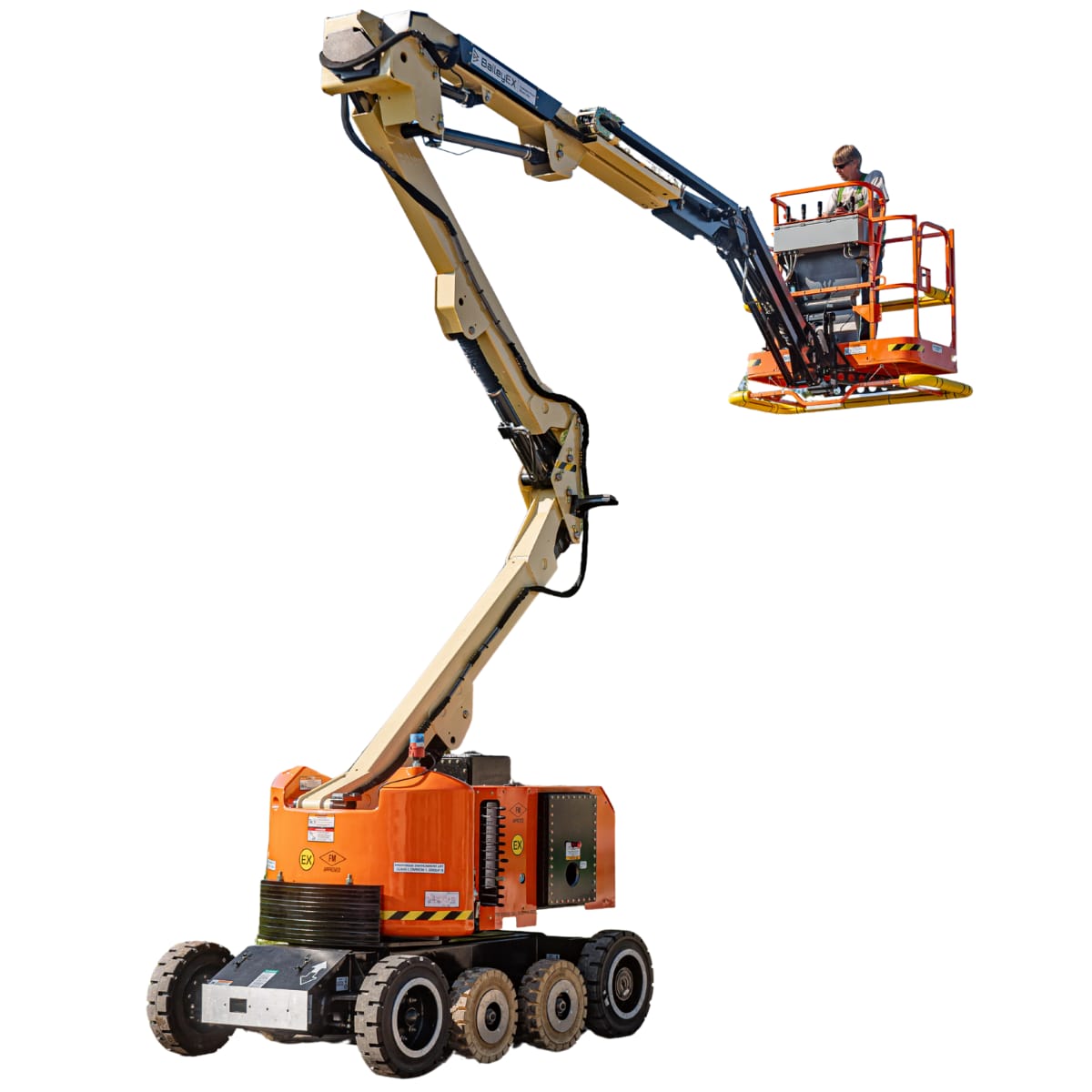
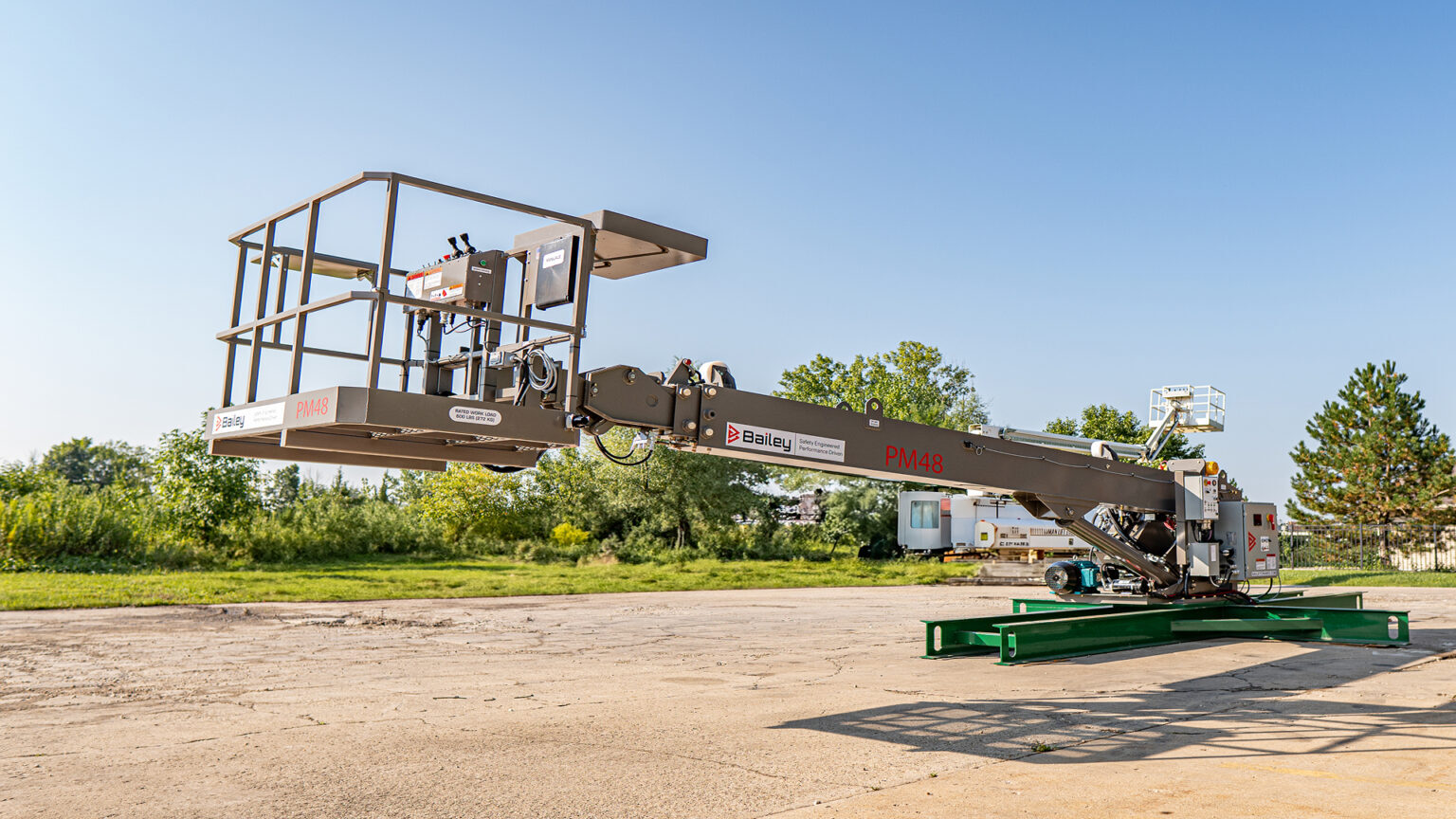
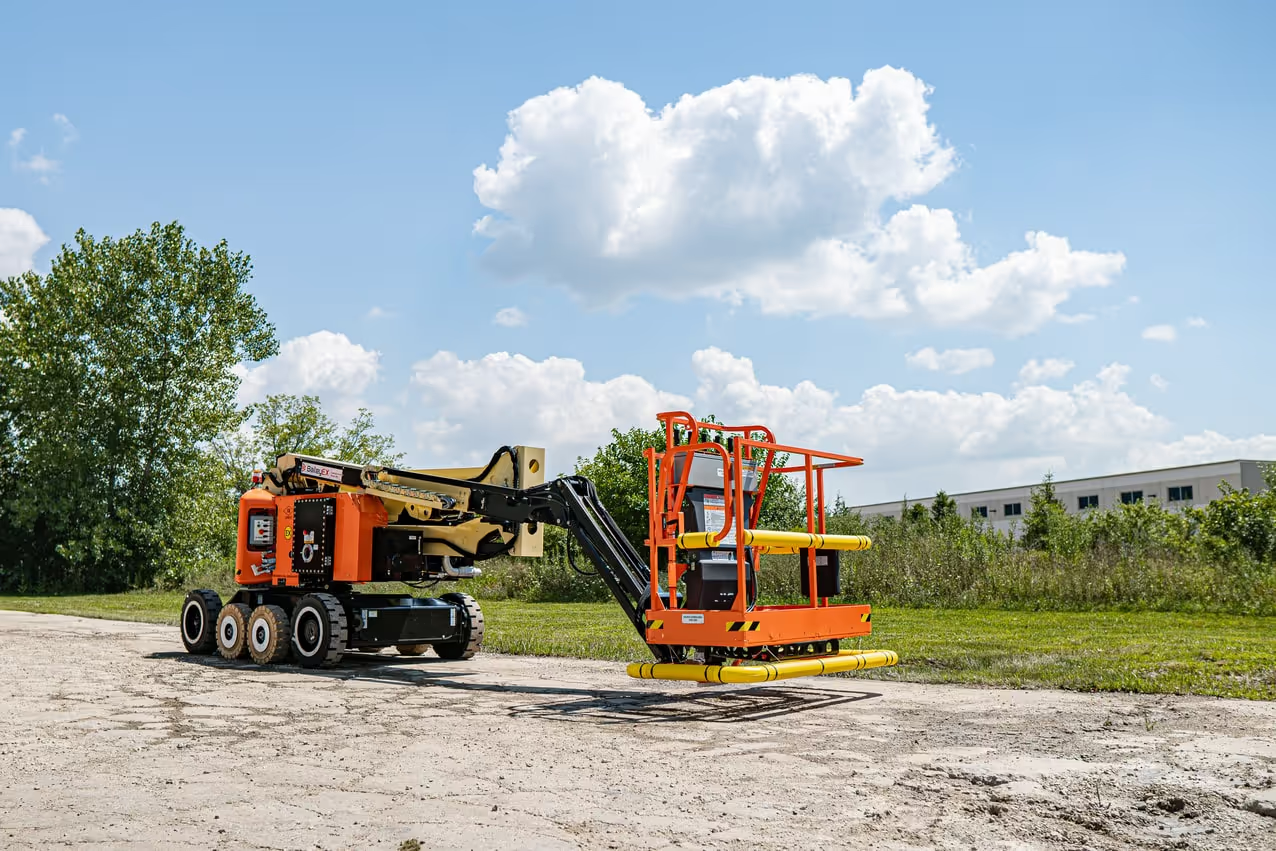
Custom aerial lifts, on the other hand, are engineered specifically for the working environment. Beyond the typical capabilities of a compact aerial lift or aerial boom lift, these machines integrate:
- Explosion-proof components
- Cleanroom-compliant materials
- Specialized tires, drives, and containment
- Narrow-aisle configurations
- Contamination-control design
- Programmable safety logic
- Advanced operator interface systems
Why High-Risk Environments Demand More Than Standard Lifts
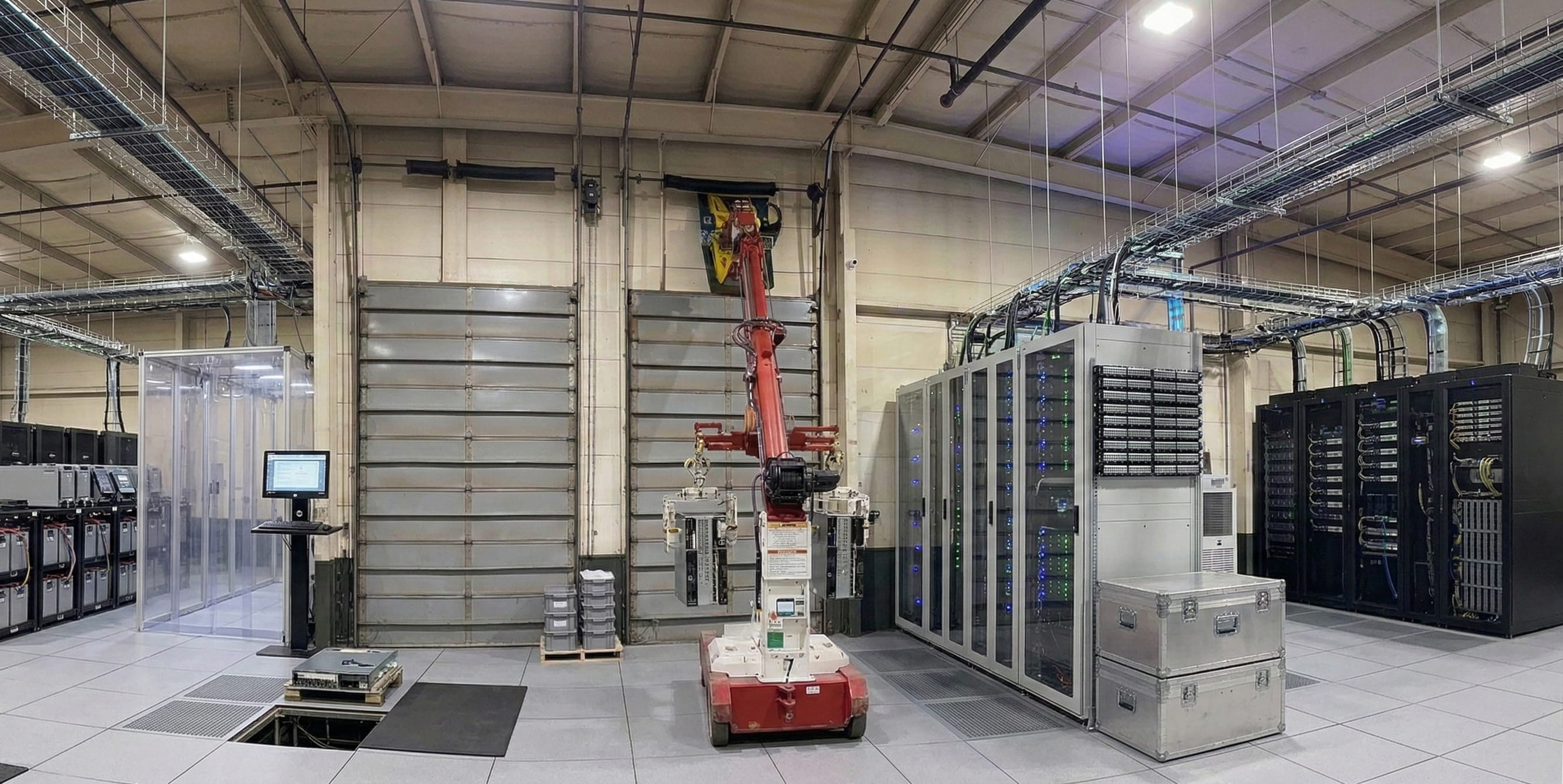
Industries operating under elevated risks, such as ATEX zones, aerospace manufacturing, pharmaceutical cleanrooms, defense machining bays, or hazardous chemical processing, must meet substantially tougher requirements than typical industrial facilities.
The new aerial lift standards within OSHA and ANSI highlight risks such as entrapment, collision, load mismanagement, and electrostatic ignition. While standard equipment aims for broad compliance, custom-engineered aerial lifts ensure compliance specifically aligned to:
- New OSHA aerial lift standards
- Aerial lift OSHA standard changes in training, fall protection, and hazard assessments
- ATEX/IECEx requirements
- Cleanroom ISO classifications
- Contamination-control protocols
- Static control and grounding
A standard aerial boom lift for sale may meet basic OSHA rules, but it will not inherently meet the controls required for explosive, sterile, or precision-manufacturing environments.
Where ROI Really Comes From: The Hidden Costs of Standard Lifts
Decision-makers often compare sticker price alone, but ROI extends far beyond purchase cost. In high-risk environments, standard lifts create hidden burdens:
- Environmental Modifications
Standard lifts often require the facility to adapt to the machine:
new grounding systems, barriers, ventilation changes, electrical controls, or surface coatings.
- Downtime and Workarounds
If standard equipment cannot safely enter certain zones or tight spaces, teams spend hours repositioning lifts or changing tools, reducing throughput.
- Higher Maintenance
Standard lifts are not designed for corrosive vapors, cleanroom disinfectants, chemical off-gassing, or fine particulates. As a result, accelerated component deterioration and increased service frequency.
- Compliance Risk
Non-compliant equipment introduces the possibility of OSHA penalties, incident investigations, and mandatory shutdowns.
Compliance engineered into custom lifts directly reduces these risks.
- Shorter Equipment Life
Standard lifts have limited durability in extreme or controlled environments, turning a 10-year asset into a 3–5-year replacement cycle. Custom lifts maintain structural integrity and component reliability far longer.
When these factors are combined, custom aerial lifts consistently produce a higher lifetime return even when the initial cost is higher.
Custom Aerial Lifts Enable Capabilities Standard Lifts Cannot Match
- Designed for Tight or Restricted Areas
High-risk facilities often have confined zones. A small aerial lift or compact aerial lift in standard form may still be too wide, too tall, or unable to maneuver.
Custom models can be engineered for:
- Ultra-narrow aisles
- Low-profile entry points
- Precision navigation around sensitive equipment
- Enhanced Safety Systems
Custom lifts can incorporate:
- Anti-static construction
- Collision-avoidance sensors
- ATEX-rated motors
- Fire-suppression safeguards
- Advanced load-monitoring
- Material Compatibility
In cleanrooms, aerospace, and semiconductor manufacturing, standard paints, hydraulic fluids, and lubricants can contaminate processes.
Custom lifts use:
- Non-outgassing materials
- Cleanroom-safe coatings
- Encapsulated hydraulics
- Containment trays
- Purpose-Built Lifting Geometry
Manufacturing cells often require precise access angles and lift heights not achievable with aerial lifts. Custom boom configurations solve these limitations.
When Custom Engineering Becomes Non-Negotiable
- Standard aerial lifts are suitable when:
- The environment is low-risk
- Space is unconstrained
- OSHA compliance needs are basic
- The work is routine and infrequent
- Custom lifts are essential when:
- The environment involves chemicals, flammables, vapors, or particulates
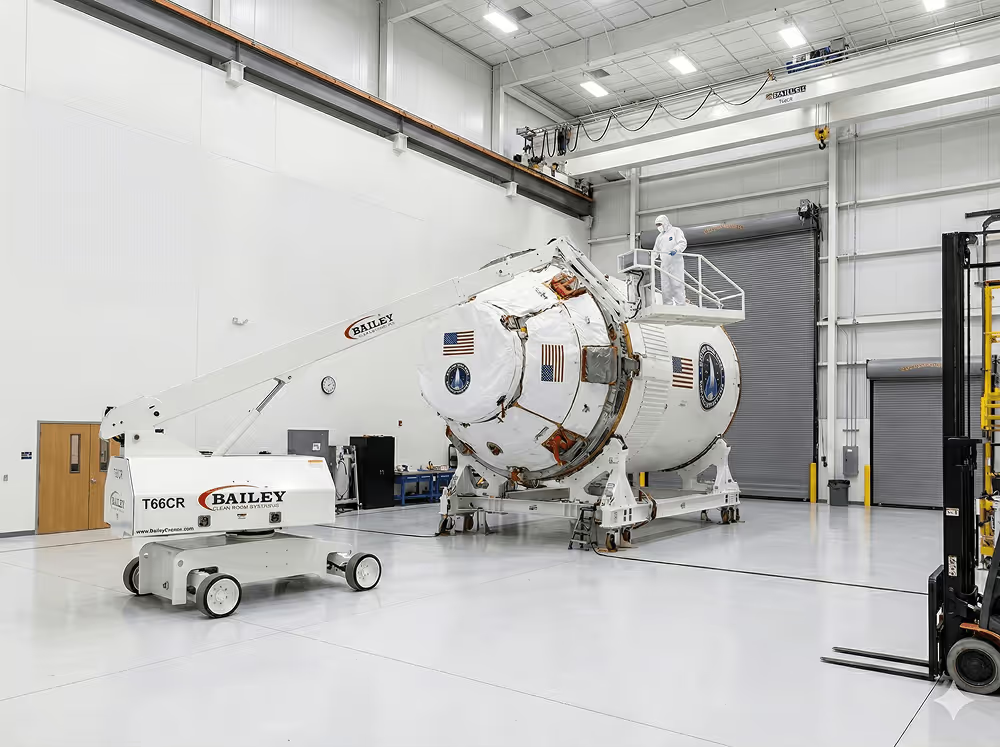
- The lift must enter cleanrooms or controlled areas
- OSHA or ATEX compliance requires engineered solutions
- Downtime carries a high financial penalty
- Precision and safety cannot be compromised
Bailey Cranes Maximize ROI Through Purpose-Built Engineering
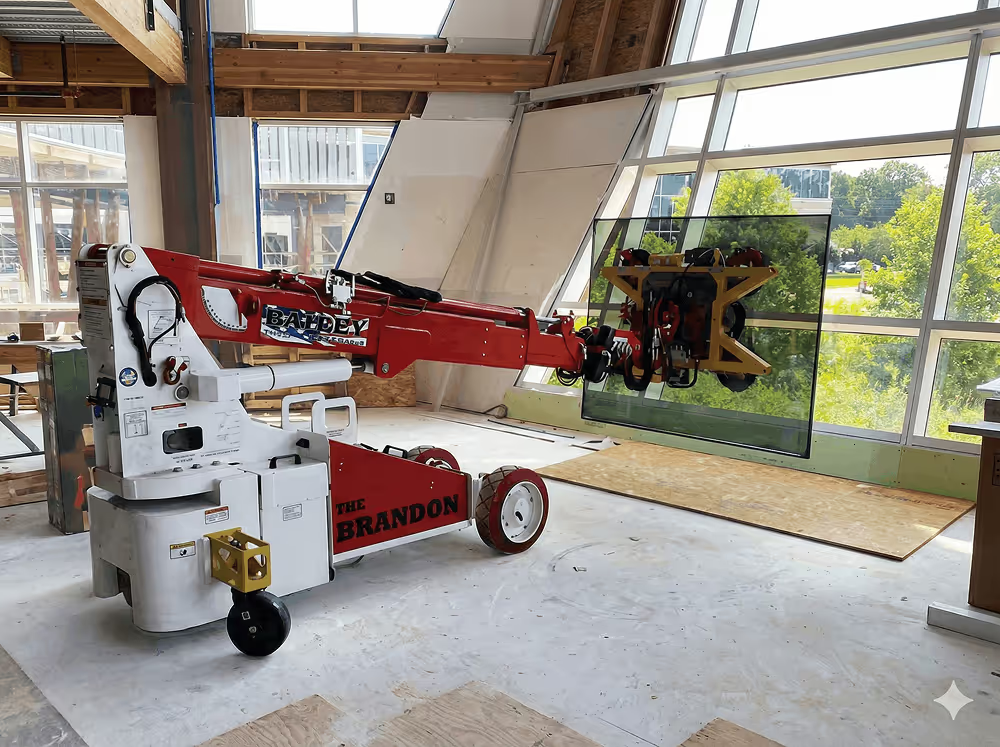
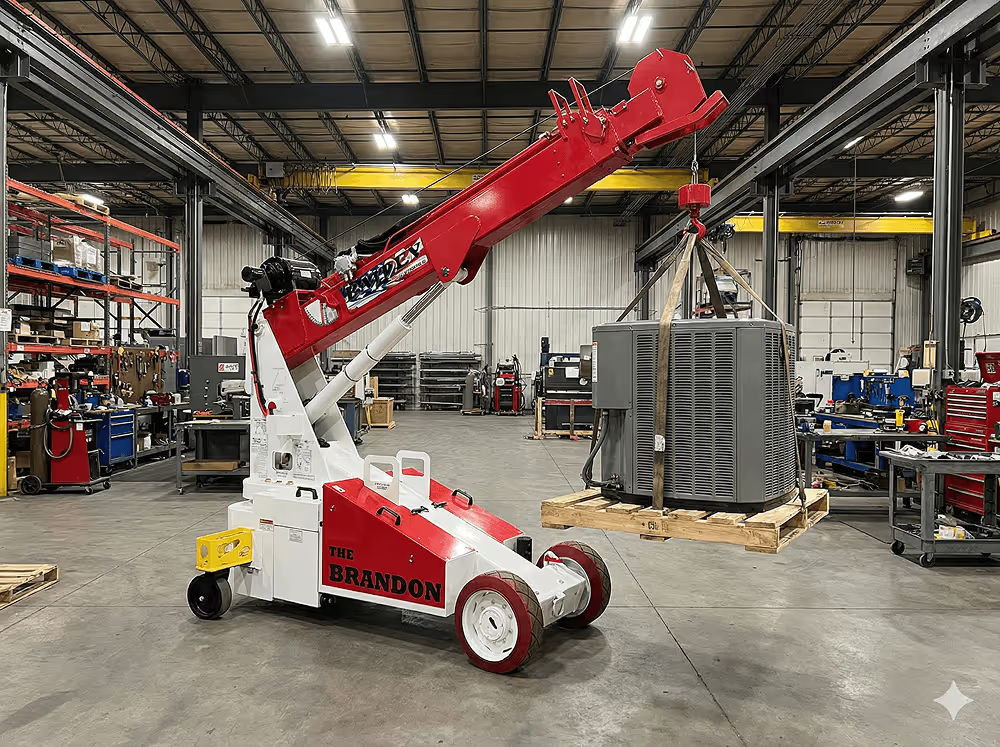
Bailey Specialty Cranes Aerials builds custom-engineered lift solutions for facilities where standard equipment can’t operate safely, efficiently, or reliably. Every unit is designed from the ground up to match the exact demands of high-risk, restricted, or contamination-controlled environments.
Each aerial platform integrates:
- Application-specific chassis and boom geometries for tight or sensitive work zones.
- Materials, coatings, and components selected for harsh, cleanroom, or explosive atmospheres.
- Integrated safety logic, sensors, and environmental protections beyond OSHA/ANSI baselines.
- Custom power systems such as electric, non-outgassing, or explosion-proof to remove ignition hazards.
- Precision controls built for accuracy, repeatability, and reduced operator error.
Conclusion
The question is not “Which lift is cheaper?”
The real question is, “Which lift minimizes risk and maximizes long-term value?”
The wrong lift may save money upfront but can cost far more in downtime, compliance failures, or safety incidents.
For high-risk industries, custom aerial lifts consistently outperform standard equipment by providing:
- Better compliance with new aerial lift standards.
- Lower long-term maintenance costs.
- Longer equipment lifespan.
- Higher uptime and productivity.
- Reduced environmental modification costs.
- A safer, more controlled work environment.
Choosing the right machine isn’t about picking the cheapest option. It’s about long-term protection, operational stability, and proven performance where precision matters most.
If your facility depends on accuracy, compliance, and zero-tolerance safety standards, Bailey Cranes can help you engineer a tailored lift that minimizes risk and maximizes lifetime value.


.avif)