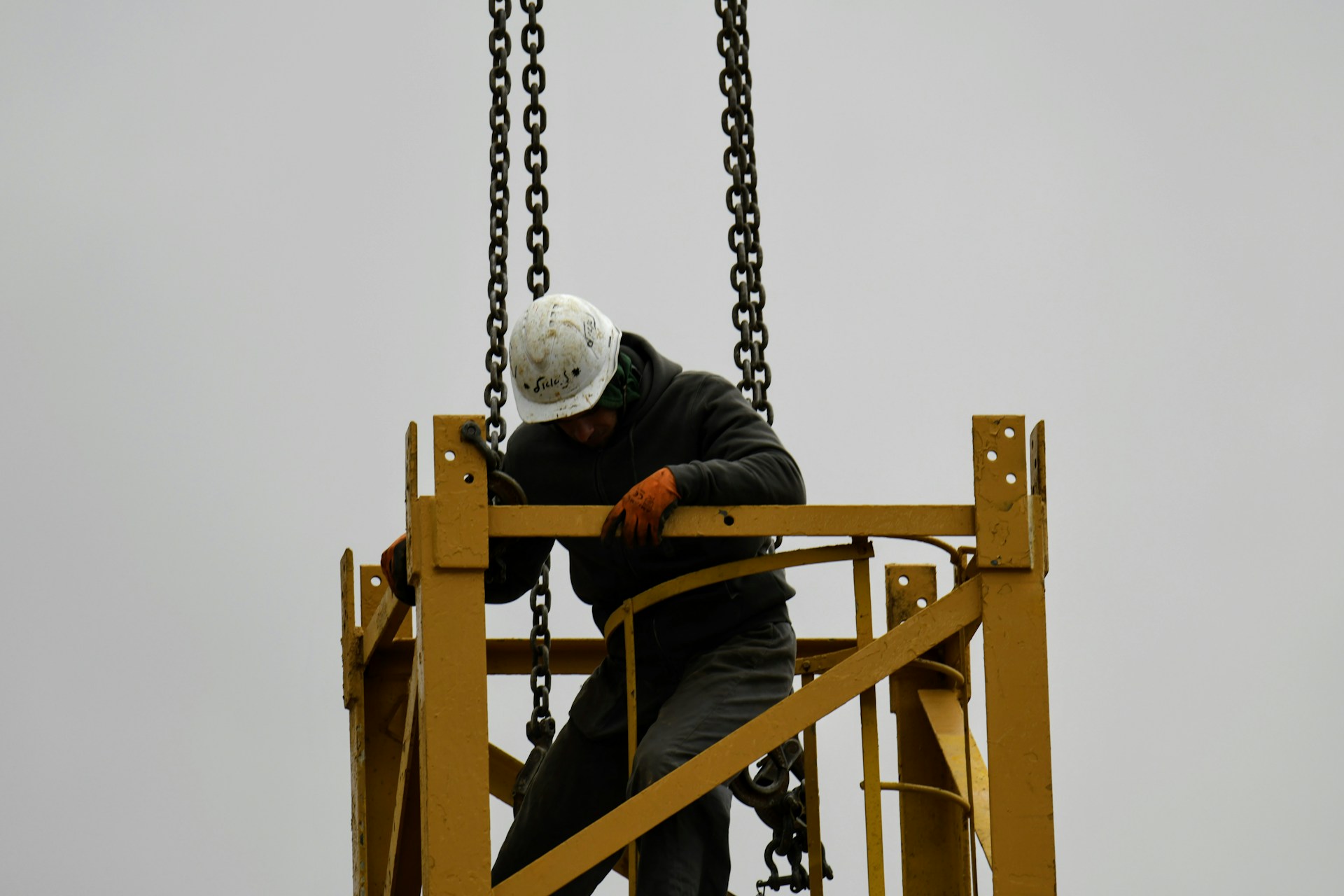
Hoists are fundamental machines that transform how we lift and move heavy objects across various industries. These devices, from construction sites to manufacturing plants, enable us to handle substantial weights safely and efficiently.
What is a hoist?
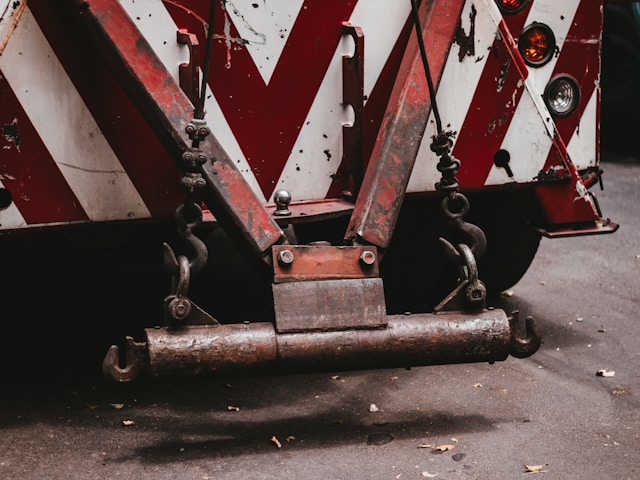
A hoist is a mechanical device designed to lift and lower heavy loads vertically. These machines come in various designs, each tailored to specific industrial and commercial needs. Whether you’re moving construction materials, automotive parts, or industrial equipment, hoists provide a critical solution for lifting challenges.
Types of Hoists
1. Manual Hoists
The most basic form of lifting equipment, manual hoists, rely on human power to operate. These typically include:
- Lever-operated systems
- Chain-based lifting mechanisms
- Hand-pulled devices
Key characteristics include:
- Cost-effective
- Useful in areas without electrical power
- Suitable for lighter loads
2. Electric Hoists
Electric hoists represent a significant advancement in lifting technology. By converting electrical energy into mechanical lifting power, they offer:
- Increased lifting capacity
- Precise control
- Reduced physical strain on workers
Varieties include:
- Chain-based electric hoists
- Wire rope electric hoists
- Belt-driven electric hoists
3. Hydraulic Hoists
Using oil-based piston mechanisms, hydraulic hoists excel in:
- Moving extremely heavy loads
- Marine and shipyard applications
- Precise load positioning
4. Pneumatic Hoists
Compressed air-powered hoists provide unique advantages:
- Continuous operation
- Explosion-proof options
- Ideal for challenging environments
5. Specialized Lifting Systems
Some industries require more specific hoisting solutions:
- Gear hoists for precise industrial applications
- Rotary vane hoists for smooth, controlled lifting
- Specialized systems for unique workplace requirements
Choosing the appropriate hoisting system is a critical decision that can significantly impact your operational efficiency, safety, and cost-effectiveness.
Essential considerations to select the most suitable hoisting equipment
1. Load Capacity:
Understanding load requirements is the first crucial step in selecting the right hoisting system. Operators must carefully calculate the maximum weight they need to lift, taking into account not just current requirements but potential future needs. This process involves a comprehensive assessment that goes beyond simply measuring the heaviest item. Operators should consider both static and dynamic load conditions, ensuring a holistic approach to load capacity evaluation.
Professional engineers recommend including a safety margin when determining load capacity. This typically means choosing a hoist with a capacity 20-25% higher than the expected maximum load. Such an approach provides a critical buffer for unexpected variations and helps prevent equipment overload, which can lead to catastrophic failures and workplace safety incidents.
2. Lift Height: Vertical Considerations
Vertical space analysis represents a critical aspect of hoist selection that many organizations overlook. This involves the measurement of the total vertical distance the hoist must travel, considering multiple environmental factors. Facility managers must carefully examine ceiling heights, potential overhead obstructions, and workspace constraints that might impact lifting operations.
3. Environmental Conditions: Matching Hoist to Workplace
Environmental factors play an important role in selecting the right hoisting system. This goes far beyond simple temperature considerations, encompassing a detailed analysis of the entire operational environment. Facility managers must conduct a detailed assessment of potential challenges, including exposure to dust, chemicals, extreme temperatures, and moisture that could impact equipment performance.
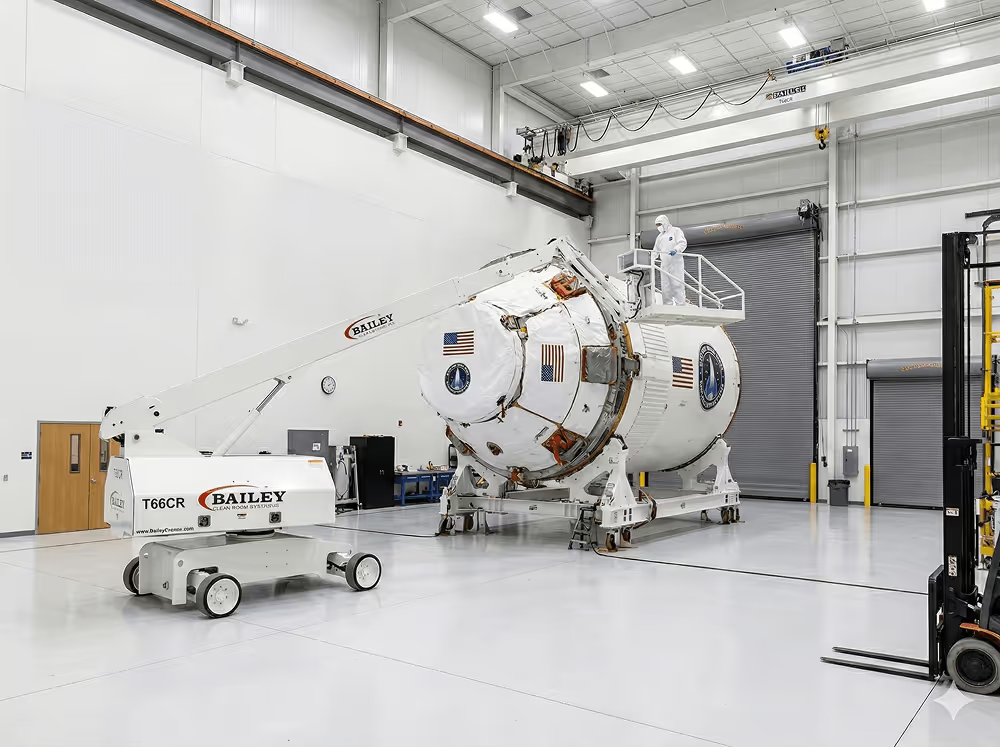
Different industries present unique environmental challenges that require specialized hoisting solutions. Clean room applications in pharmaceutical or electronics industries demand entirely different specifications compared to marine or heavy industrial environments. Factors such as humidity levels, potential corrosive materials, and specific workplace conditions must be carefully evaluated to ensure the selected hoist can perform optimally without compromising safety or efficiency.
4. Operational Frequency and Duty Cycle
Usage intensity represents a critical consideration that extends far beyond simple operational hours. Organizations must conduct a comprehensive assessment of their lifting requirements, examining the frequency of use, duration of continuous operation, and the specific patterns of lifting activities. This involves understanding the difference between intermittent and continuous lifting needs, as well as identifying peak operational periods that might place additional stress on hoisting equipment.
Different applications require different duty cycle specifications. Light-duty applications might require a completely different approach compared to heavy-duty, continuous-use environments.
5. Power Source and Operational Efficiency
Selecting the appropriate power source is an important decision that impacts overall operational efficiency. Electric hoists offer consistent power and precise control but require reliable electrical access. Pneumatic hoists provide unique advantages, including explosion-proof options and continuous operation, but they depend on compressed air availability. Manual hoists remain valuable in specific scenarios, particularly where power sources are limited or for handling smaller loads.
Each power source presents distinct advantages and limitations. Electric systems provide superior control and consistency, while pneumatic options offer enhanced safety in challenging environments. Manual systems, though limited, remain critical in certain specialized applications.
Bailey Cranes: Innovative lifting solutions
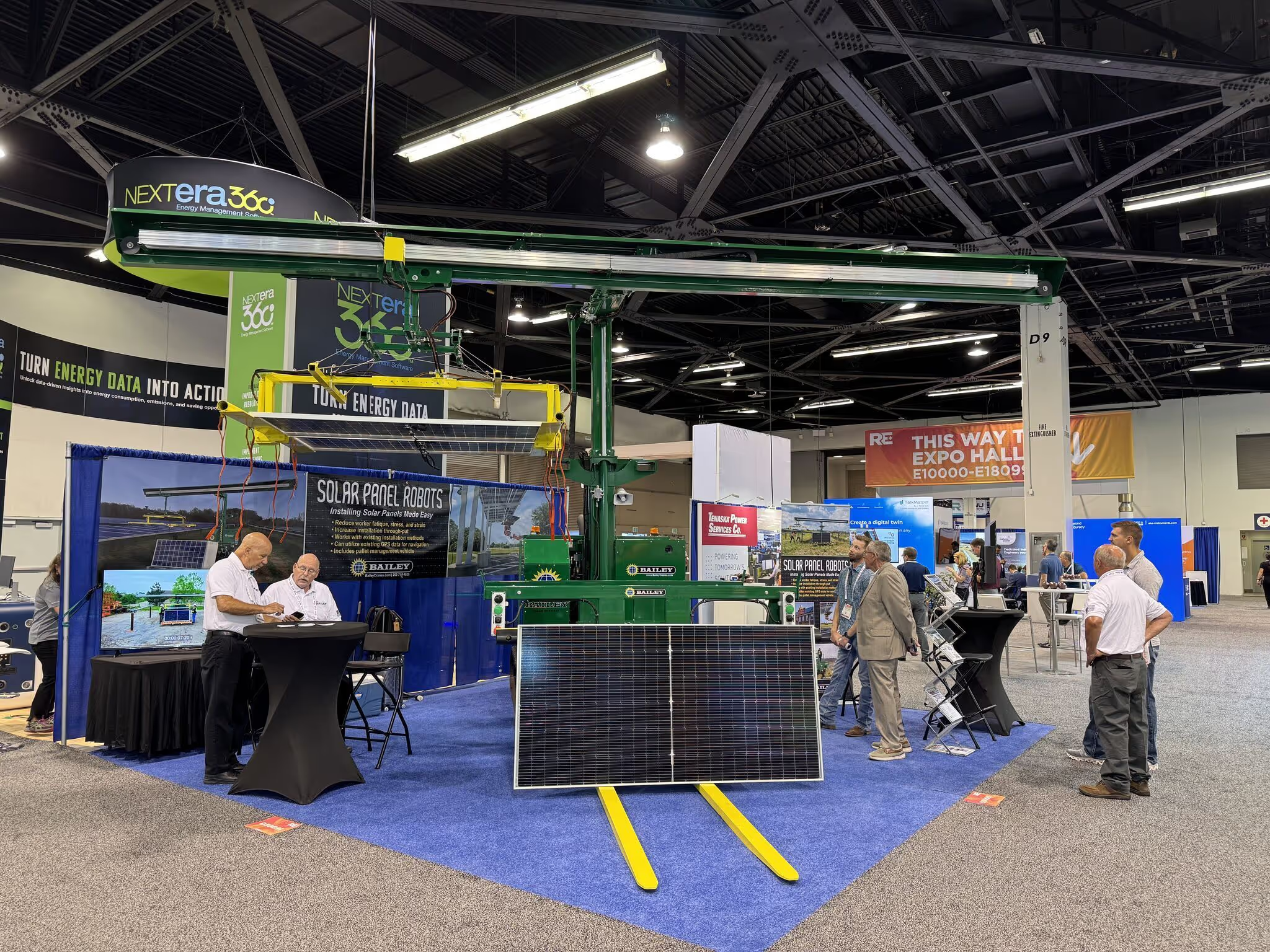
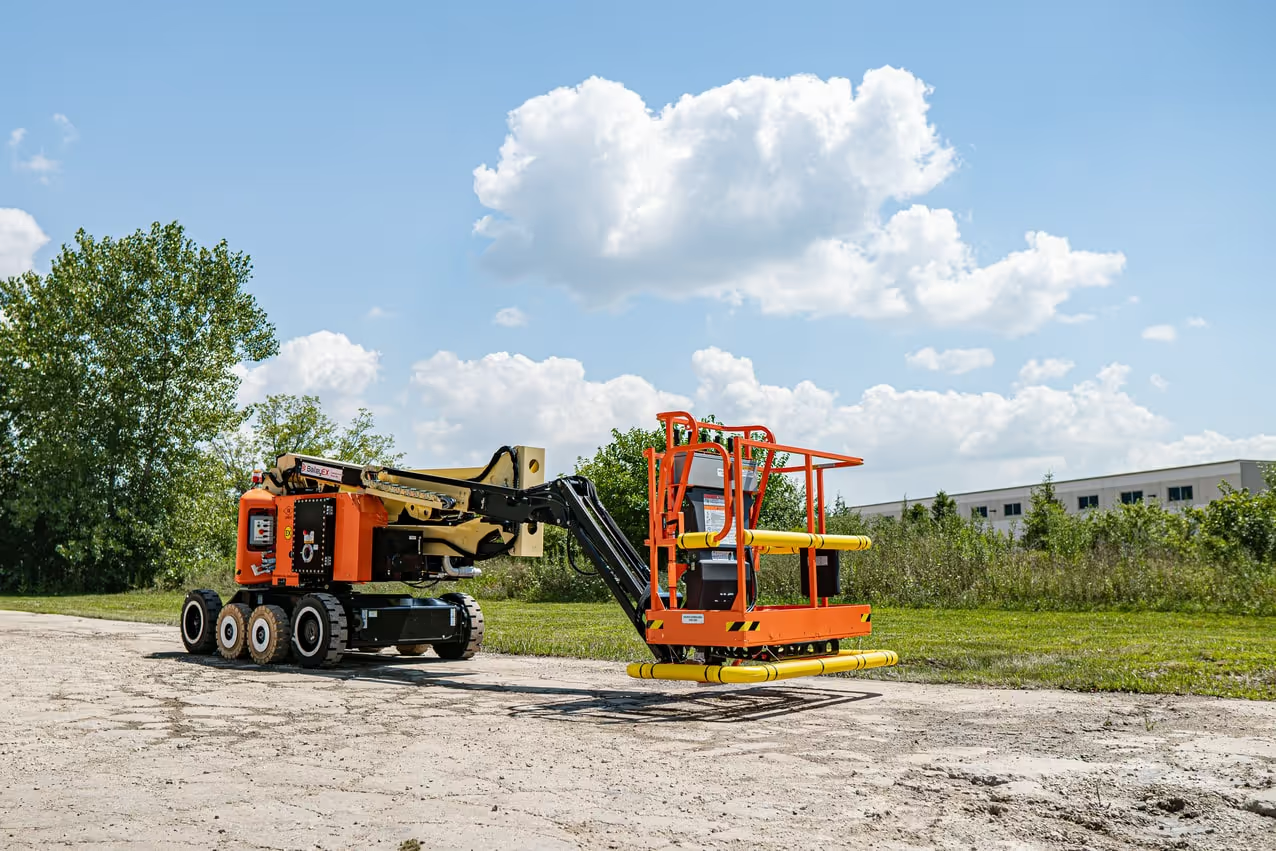
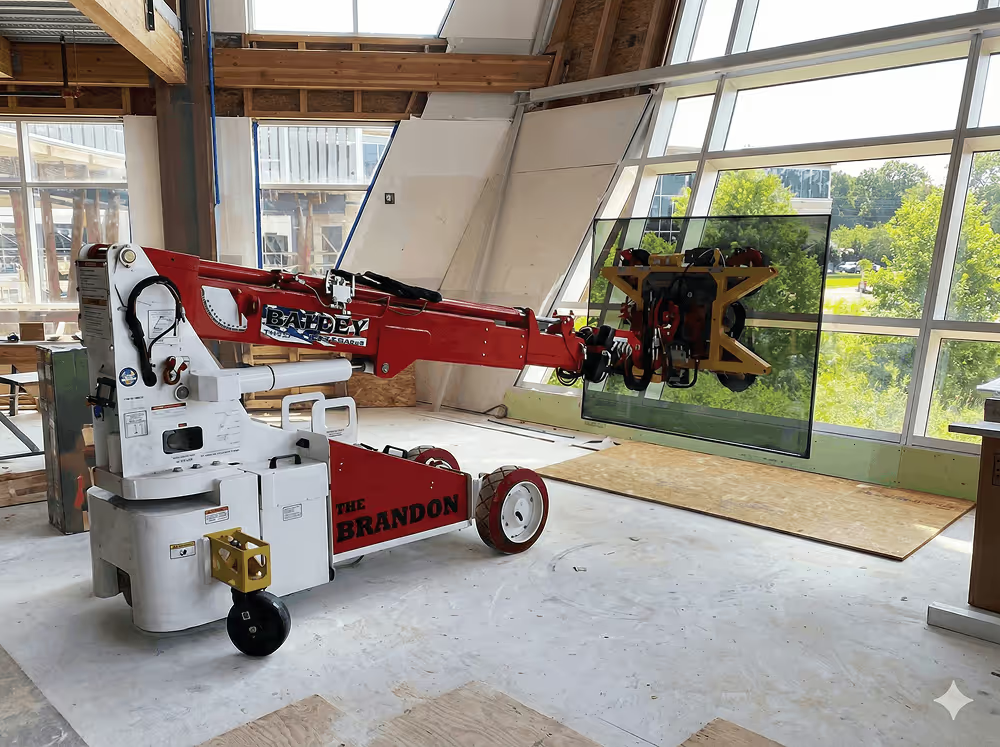
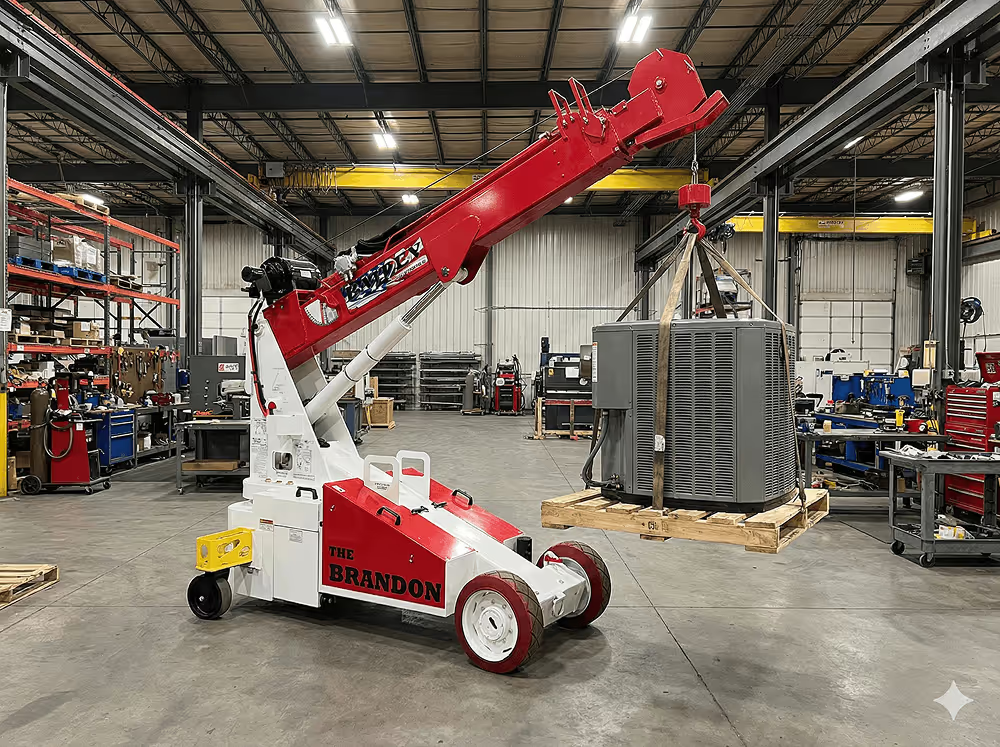
Developed in the most basic mode, Bailey Cranes offers hoist trucks in the form of Brandon mini cranes. The series demonstrates exceptional engineering, providing solutions for complex lifting challenges across multiple industries
Safety first
Proper hoist use requires:
- Regular equipment inspections
- Comprehensive operator training
- Strict adherence to load capacity guidelines
- Ongoing maintenance
Conclusion
Selecting the right hoist can make your lifting operations much simpler and easier. Different types of hoists are used in different types of applications. The right hoist can significantly improve productivity, reduce physical strain, and enhance workplace safety.
Are you struggling with inefficient lifting solutions that slow down your operations and compromise workplace safety? Your search ends here.
Bailey Cranes provides a complete lifting solution tailored to your unique operational challenges. Our Brandon series of mini cranes and telehandlers aren’t just machines; they’re your competitive advantage. Connect with our team at 262-710-4028 or send us your requirements at sales@baileycranes.com. Don’t let inefficient lifting hold your business back.


.avif)