When it comes to the aerospace industry where high ground time means lost revenue, it becomes imperative that the aircraft downtime during Maintenance, Repair and Overhaul (MRO) of the aircraft is reduced to a minimum. Custom Aerial Work Platforms (AWPs) have earned the status of a game-changing solution because they provide customised accessibility, safety, and effective mobility to technicians required to access elevated heights. As opposed to the generic lifts that are utilised by other industries, these types of special platforms are constructed based on the distinctive requirements of the aerospace industry, which makes performance more rapid, safe, and highly precise.
The use of custom-built AWPs also removes complexities that come with operating several lift systems or improvised structures, and teams can complete an otherwise complex access to aircraft crevices. Their ergonomic construction not only accelerates the pace during inspections and repair, but also decreases the level of fatigue among employees and the possibility of deformations to aircraft’s sensitive surfaces. Consequently, they reduce workflows, minimise turnaround time, and extend aircraft operating time.
This guide explores how custom elevated work platforms are helping MRO teams work smarter and not harder, by helping to reduce delays, increasing productivity, and maintaining strict safety and quality standards.
Why Reducing Aircraft Downtime Matters in MRO?
- To aircraft operators, each hour their plane spends on the ground is a direct loss of revenue and efficiency.
- Downtime incurred in aircraft operations will mean derailed schedules, delays in operations, and increasing operational expenses, whether it is a commercial aircraft for passengers or a military aircraft that is on standby. This is the reason cutting and minimising the time used on the ground during maintenance is not only important but is eminently critical.
- MRO (Maintenance, repair, and overhaul) teams are vital for ensuring that the aircraft are safe, compliant and are in a state to fly. They deal with inspections, repairs, and parts replacement that require accuracy and speed, as they are time-sensitive.
- The delay, however, is usually not a result of the repair difficulty, but rather the time taken to ensure proper access to the various parts of the aircraft.
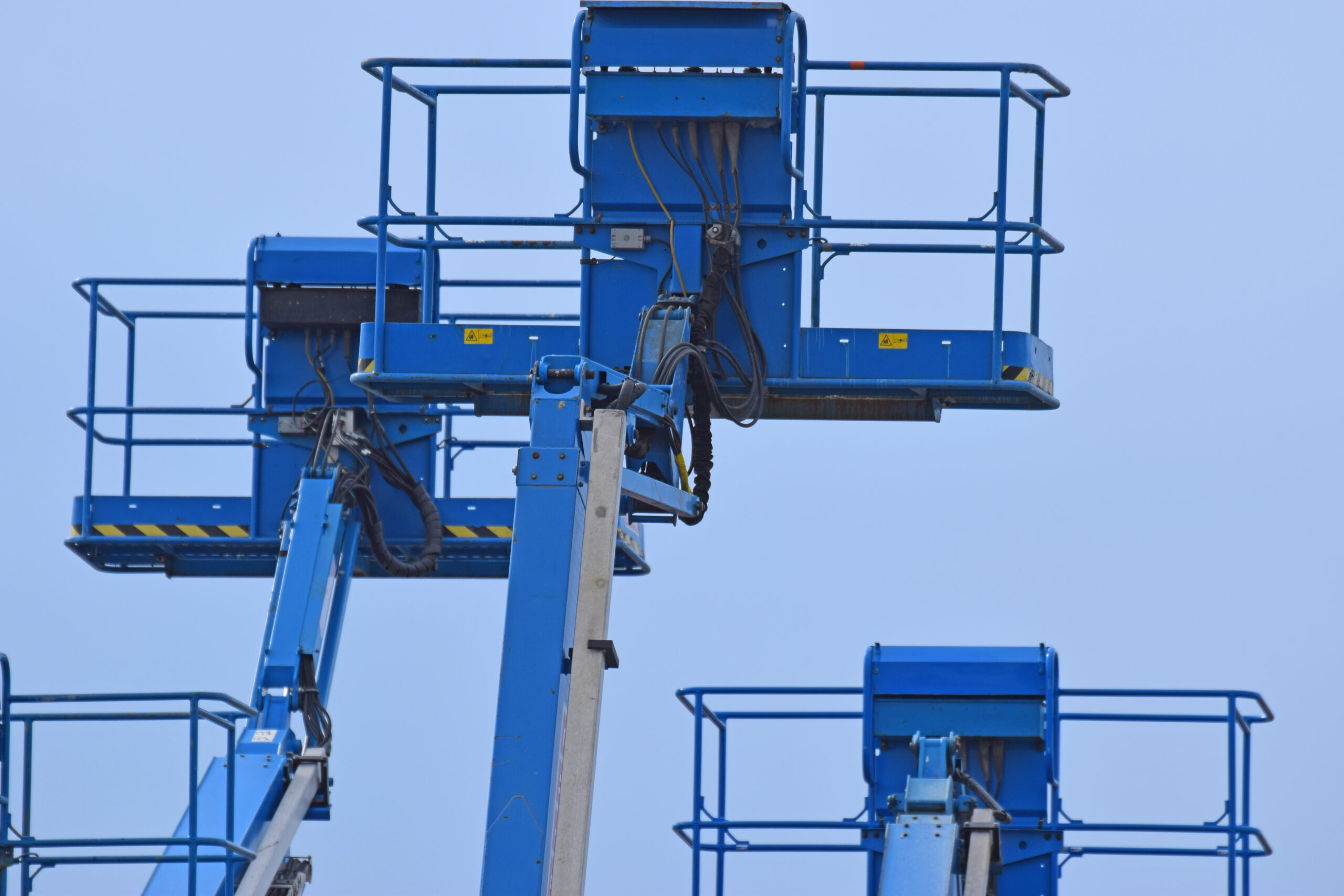
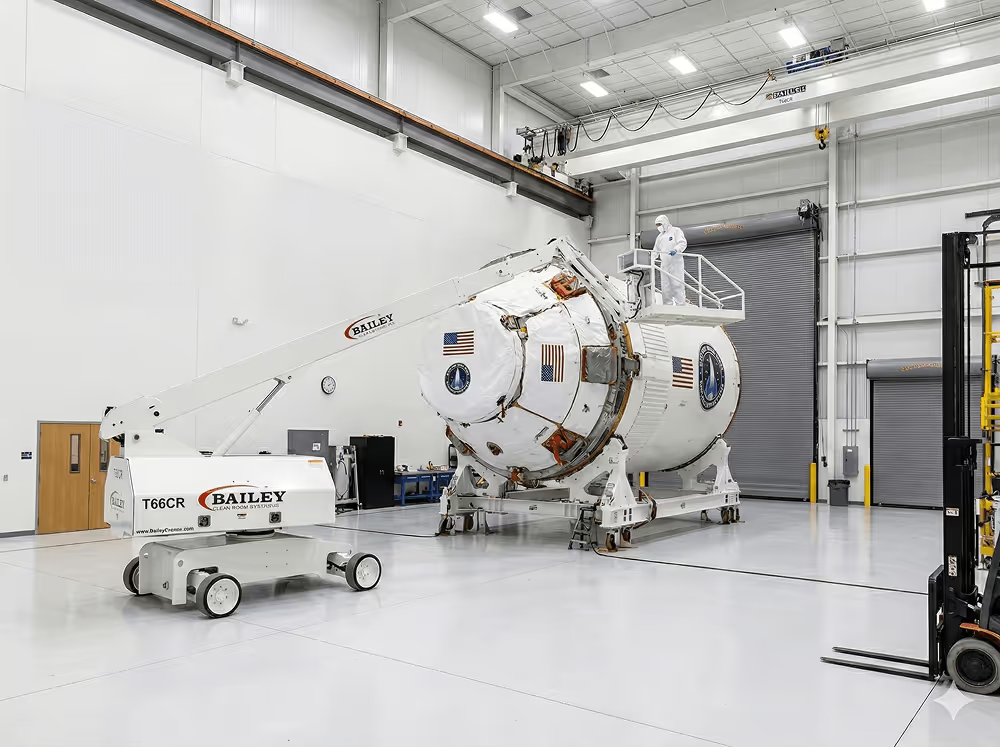
This is where the appropriate access lifting equipment can play a significant role. Custom Aerial Work Platforms (AWPs) can provide technicians with direct and safe access to difficult-to-reach places such as the wings, fuselage and tail of the aircraft without wasting a lot of time on set-up and repositioning. Working on aerial work platform lifts specifically designed with aircraft contours and work zones, MRO staff can work more quickly and efficiently, operate without discomfort, and are less likely to cause damage to the aircraft.
The key to reducing aircraft downtime is not necessarily to repair work faster, but to virtually make maintenance activities more efficient, more consistent and more affordable. Lifting solutions such as custom aerial platform lifts are an important component of that strategy.
What is in the Preventive Maintenance Checklist of Aerial Work Platforms?
When working in an environment with high precision and in time-sensitive situations as observed during aircraft maintenance, standard access equipment is sometimes just not what is needed in that situation.
- The technicians working in MRO must access diverse aircraft such as narrow-body jets and wide-body planes, whose heights, curves, and service areas can be variable. This is where custom aerial work platforms can prove to be a game-changer for the aerospace Industry.
- Unlike the generic lifts that are often used by many companies, custom platforms are designed specifically to match the size and shape of aircraft.
- These custom platforms can be built to the exact height and outreach specifications provided, which allows the technicians to get closer to their work without having to overextend or improvise when accessing the tail, engine nacelles, or upper fuselage of the aircraft.
- This reduces the time that is spent by workers to adjust or reposition equipment, which ultimately helps teams stay focused on the task they have at hand.
- The platform size and shape can also be tailored to offer more room for tools, parts, and for safe technician movement, which will significantly improve both the productivity and comfort of the workers.
- Many custom units come equipped with precision control systems that allow smooth manoeuvring even in tight spaces, ensuring delicate aircraft surfaces aren’t scratched or damaged during operation.
- In demanding environments like hangars or flight lines, conditions can change very quickly. That’s why custom AWPs can also be designed with features like all-terrain wheels, compact turning radii, or electric drives that can prove to be useful for indoor use.
These design choices are not add-ons but are essential elements that help solve the unique access challenges MRO teams face every single day. By aligning the equipment with the aircraft and the workspace, custom aerial platforms don’t just support maintenance, they enable it.
Customizable Aerial Work Platforms Offered by Bailey Cranes
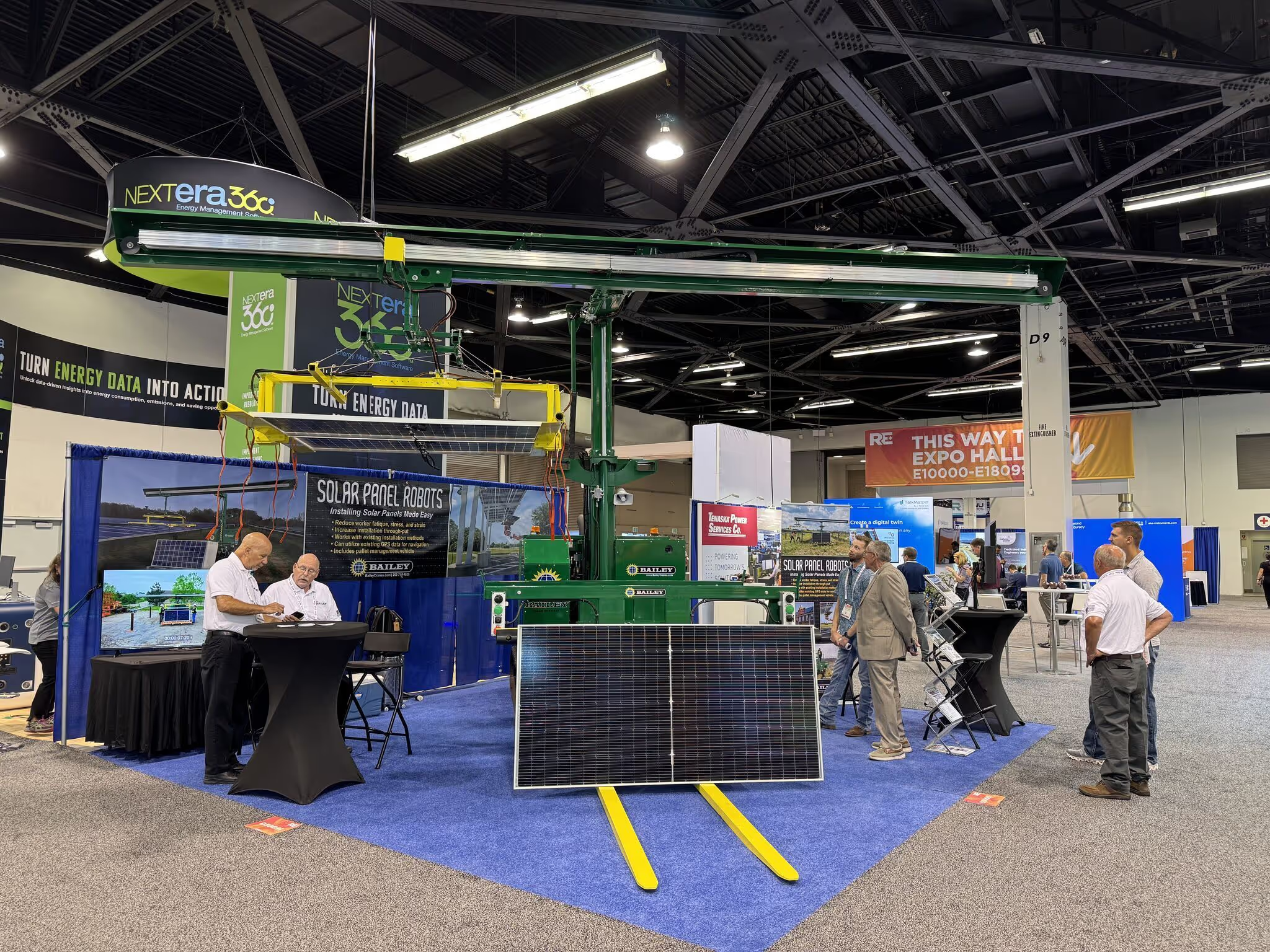
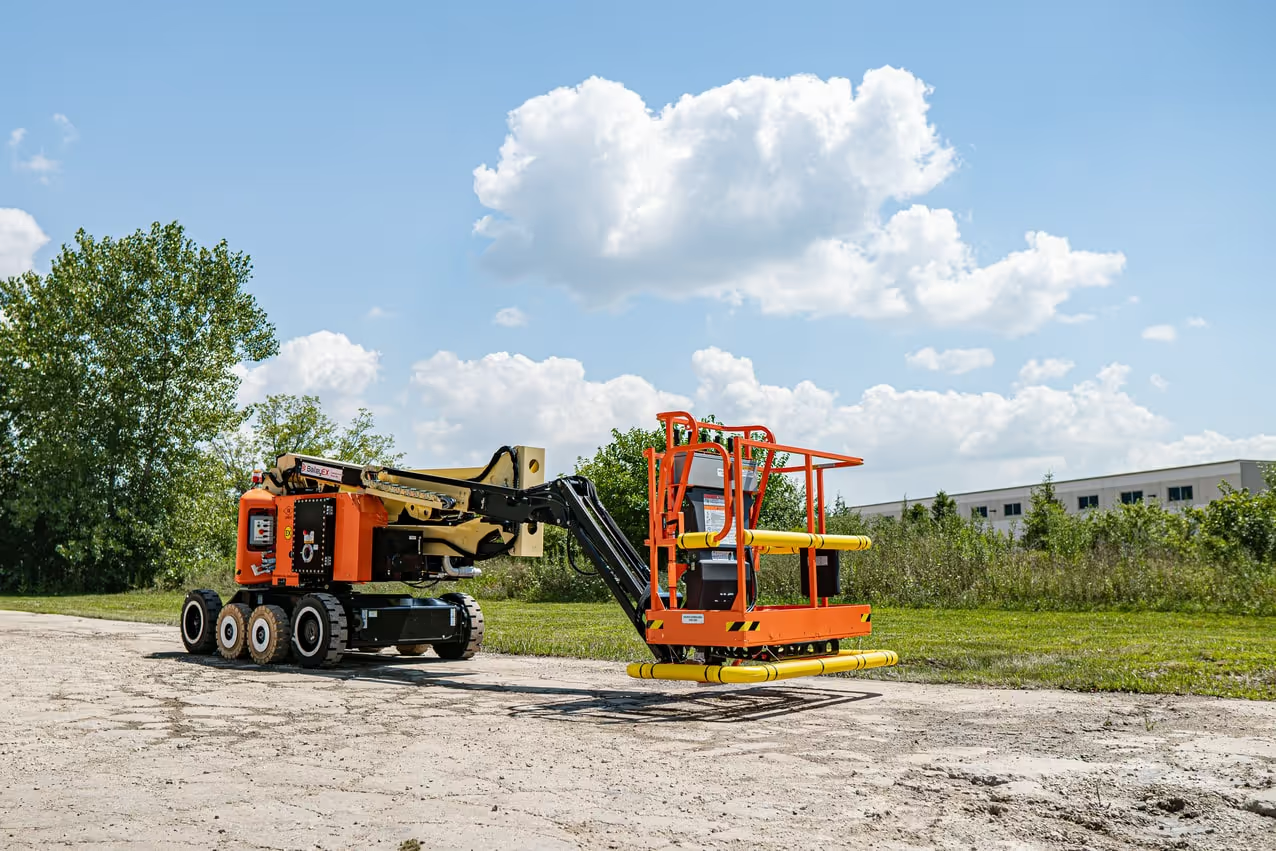
Bailey Cranes is a veteran-owned small business based in Muskego, Wisconsin. Bailey Cranes has pioneered explosion‑proof Mobile Elevating Work Platforms (MEWPs) that set new industry standards, securing clients like NASA, the U.S. Air Force, Lockheed Martin, Boeing, and Northrop Grumman. Our team is dedicated to enhancing operational safety and efficiency through custom-engineered MEWP solutions.
In the world of MRO (Maintenance, Repair, and Overhaul), every minute an aircraft stays grounded adds to the operational costs. Bailey Cranes helps reduce this downtime significantly by offering a powerful lineup of custom-built aerial work platforms that are engineered for speed, precision, and safety in aircraft service zones that are hard to reach.
Each unit is designed to tackle unique access challenges that occur in hangars, airports, or maintenance bays. These platforms give MRO teams better reach, stability, and control for servicing overhead components or even accessing the tight areas around the fuselage, which allows them to work more efficiently and get their work done faster.
1. TL34 Tower Lift
The TL34 Tower Lift, for example, was originally built for masonry work in steel mill towers, but its custom boom design and vertical reach make it ideal for accessing high aircraft sections without suspending workers from cranes. It goes on to prove how smart design can replace unsafe and outdated methods in a busy maintenance environment.
2. TL35 Tower Lift
The TL35 Tower Lift offers a 35-foot platform height, 750 lb capacity, rigid telescopic boom, and removable rails, which are all driven from ground controls. It’s perfect for precise inspections and repairs at height, where safety and stability are critical.
3. TL50 Lift
The TL50 lift goes even higher, reaching up to 50 feet. Built for use in casinos, malls, and airports, it brings valuable features like four-wheel steering, extendable deck, AC/DC power options, and low ground pressure tires. These features translate perfectly into aviation settings, especially for MRO teams working under tight space and floor load limits.
4. TL65 Lift
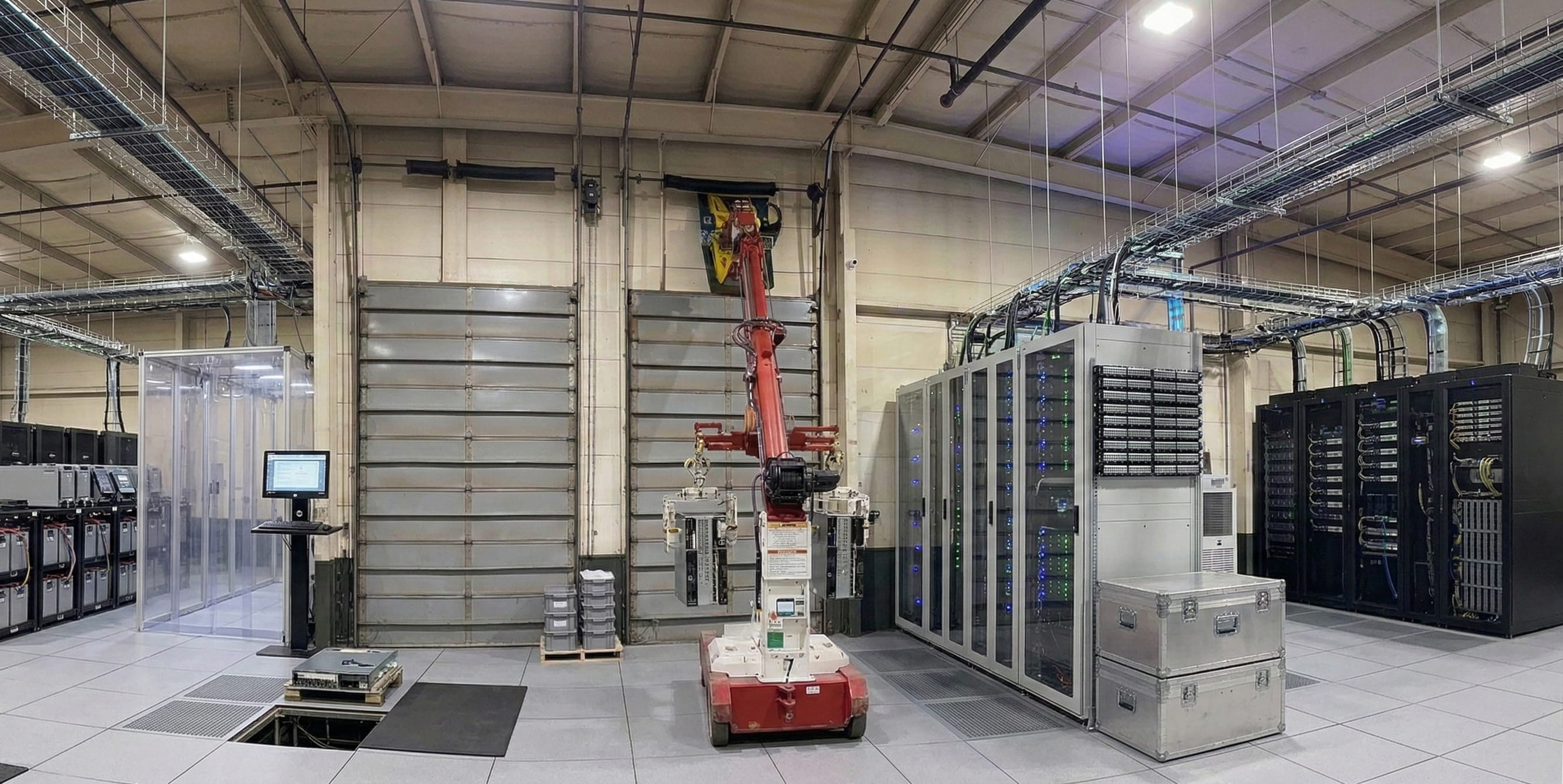
The TL65 Lift takes mobility a step further with its Omni-Motion Drive System, which is a unique feature that allows movement in all directions and rotation around its centre point. This helps technicians position the platform precisely around aircraft contours, reducing setup time and increasing productivity. Its clean-room compatibility and custom platform options also make it ideal for specialised environments like aircraft manufacturing or electronics bays.
5. SP13 Custom Lift
For more general maintenance tasks such as checking cabin lights or ceiling-mounted systems, the SP13 Custom Lift runs on 24-volt battery power and can operate even if plant power is lost. It’s compact, reliable, and includes a built-in lip to contain hydraulic leaks, which is ideal for sensitive MRO floors.
6. 1242ML Custom Mastlift
Finally, the 1242ML Custom Mastlift is built specifically for demanding industrial and manufacturing environments. Its self-propelled or fixed-base options, combined with standard or omnidirectional steering, give operators flexibility to use it for everything from welding to equipment testing, which are key processes during heavy aircraft overhaul.
Conclusion
Reducing aircraft downtime is therefore critical for efficient MRO operations, and custom aerial work platforms can play a vital role in making that happen. These platforms improve safety, speed, and precision during maintenance tasks, like addressing the high cost of grounded aircraft and solving access challenges using tailored and customised solutions. Custom features like platform height, mobility systems, and power options help teams work around complex aircraft structures without prolonged delays.
What differentiates Bailey Cranes in this domain is the ability of our company to design and supply specialised mobile aerial work platforms such as the TL65, TL50, SP13 among others, and all of these types are specifically designed and built in accordance to the specific requirements of the aerospace industry. Bailey Cranes can assist MRO teams in keeping to their timelines, minimising down-time and ensuring their aircrafts are always ready to fly, using a combination of the right engineering services and a keen valuation of real-life performance.
Call Bailey Cranes to help with finding a high-quality aerial work platform that will be built to the best standards for the aviation industry. To further inquire about our lifting solutions, contact Bailey Cranes at 262-710-4028 or send an email to sales@baileycranes.com.


.avif)