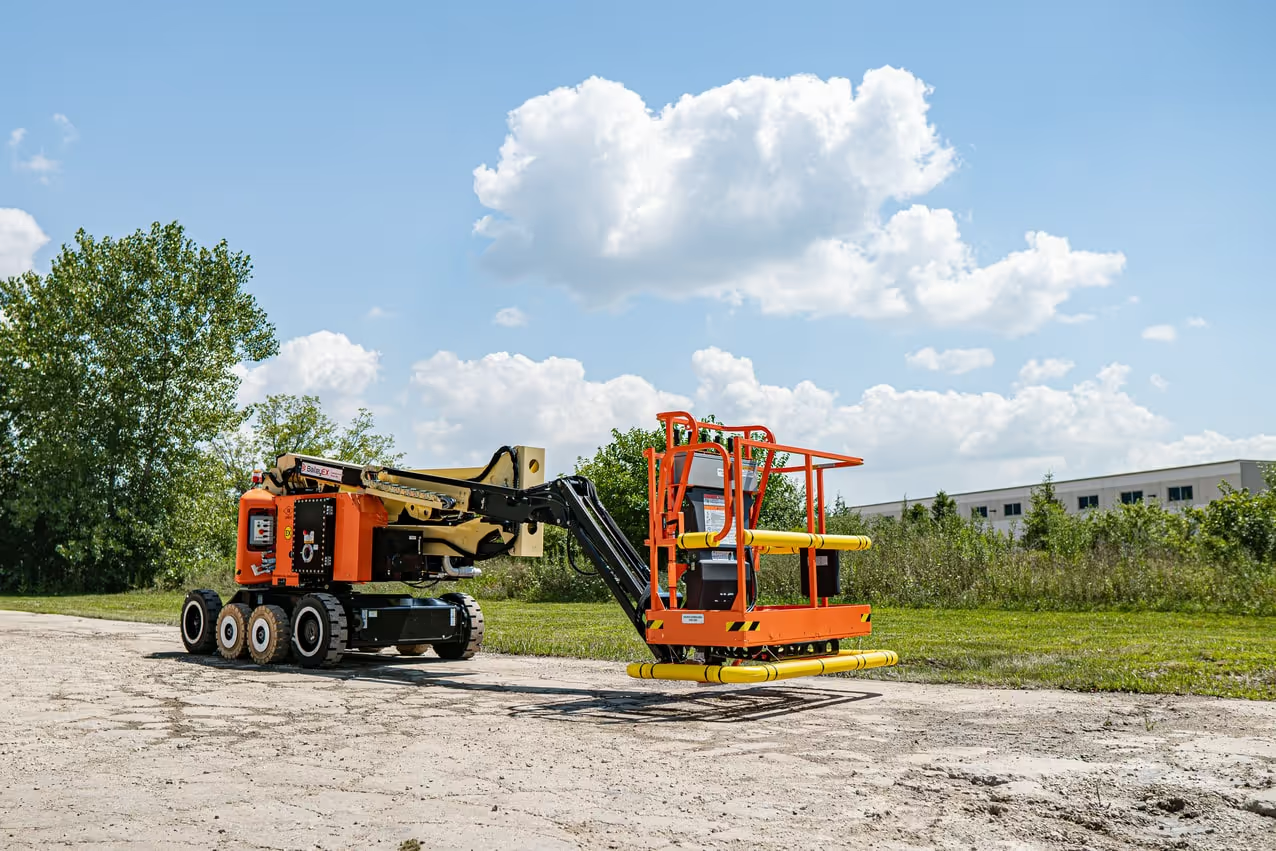
Aerial work platforms are essential machines that facilitate the completion of tasks at elevated heights where ladders or scaffolding fall short. However, working at height comes with serious safety concerns. Risks such as falls, tipping over, electrical contact, or mechanical failure can cause severe injuries or disrupt operations if proper precautions are not taken.
Many of these incidents happen due to overlooked hazards, rushed inspections, or a lack of operator awareness. That’s why following safety guidelines isn’t just good practice, it’s necessary.
Aerial work platform safety is important because it protects workers from serious injuries while working at elevated heights. By following safety practices and using well-designed equipment, we can prevent accidents, avoid delays, and keep every job running smoothly. Safe operation of aerial work platforms protects both people and equipment, keeps productivity on track, and ensures every job is completed without unnecessary risk.
Hazards and Safety Concerns for Aerial Work Platforms
Working with elevated work platforms involves several safety concerns that must be carefully managed to prevent accidents.
- One of the most common hazards is the risk of falling from height, which can happen if workers are not properly secured or if the platform moves unexpectedly.
- Tipping over is another serious concern, especially when the platform is used on uneven ground or is overloaded beyond its weight capacity.
- There’s also the danger of coming into contact with overhead power lines, which can lead to severe electrical injuries.
- Poor weather conditions, such as strong winds or heavy rain, can also make the platform unstable and unsafe to use.
- Mechanical failures, including brake issues or faulty controls, can increase the risk of sudden movement or loss of balance.
These hazards underscore the importance of remaining vigilant, using equipment correctly, and adhering to safety procedures at all times when the platform is in use.
A Guide to Safe Operation of Aerial Work Platforms
Aerial work platforms play a key role in lifting workers to perform tasks at height, but their safe operation requires careful attention to detail and a clear set of safety guidelines:
1. Worker and Operator Safety Guidelines
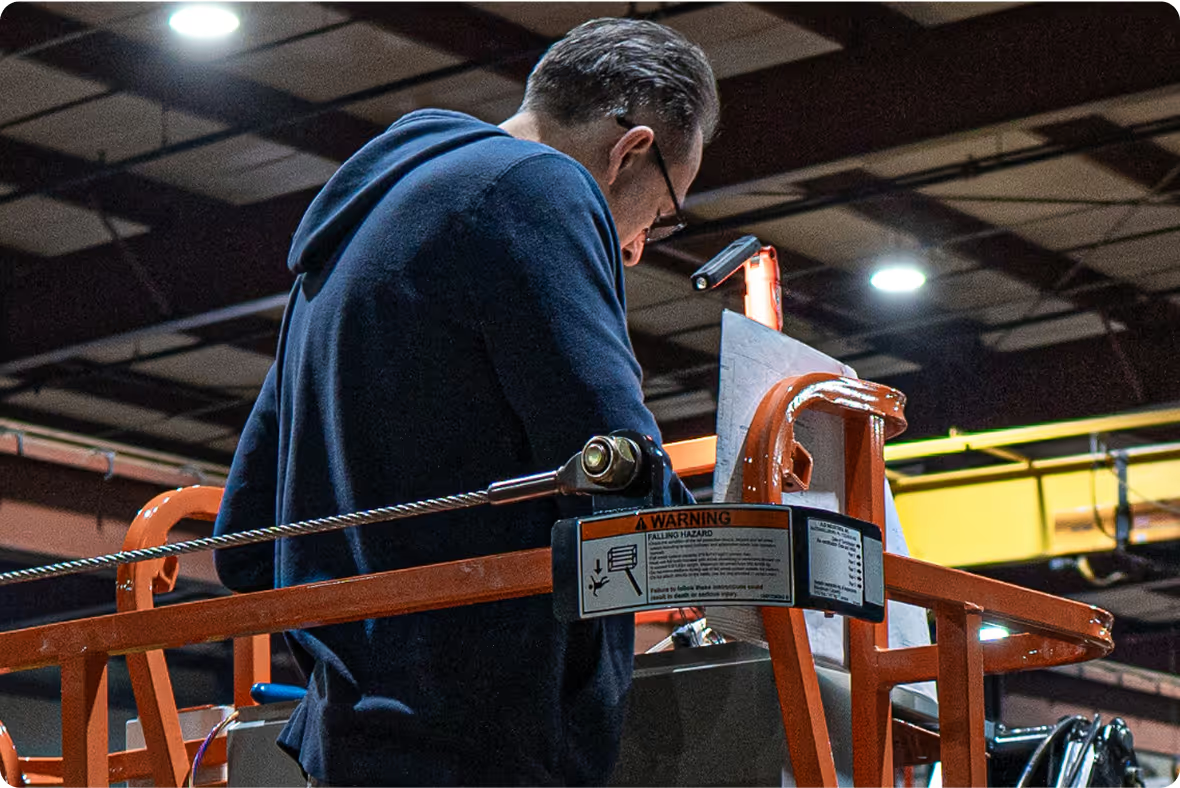
- Every operator should be properly trained and familiar with the specific equipment being used. Thorough inspection is essential, including checking for any visible damage, testing controls, and making sure safety features are working correctly.
- Workers must stay within the platform’s weight limit, keep materials balanced, and avoid sudden movements that could affect stability.
2. Platform Safety and Environment
- It’s also important to be aware that environmental conditions like strong winds, rain, or poor visibility can make operations unsafe.
- The aerial work platform should always be used on stable, level ground, and brakes must be properly checked before lifting.
3. Emergency Plans and Guidelines
- Electrical lines and nearby structures must be identified and avoided to prevent contact.
- A clear emergency plan should be in place in case of equipment failure or other unexpected situations.
By following these aerial work platform safety tips, operators can ensure the platform is used safely, helping protect both workers and equipment throughout the job.
Designed for Safety: How Bailey Cranes Builds Safer Aerial Platforms
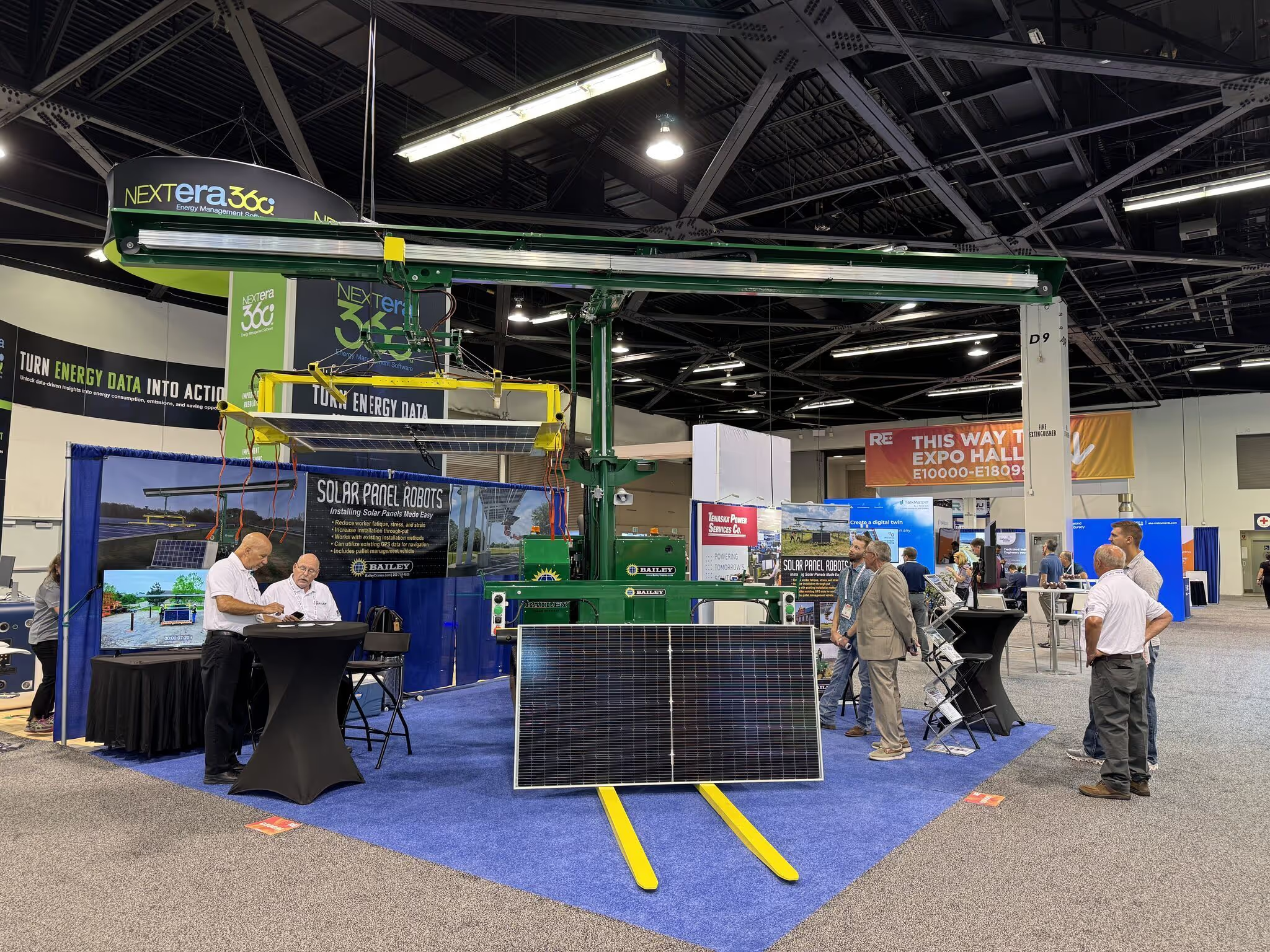
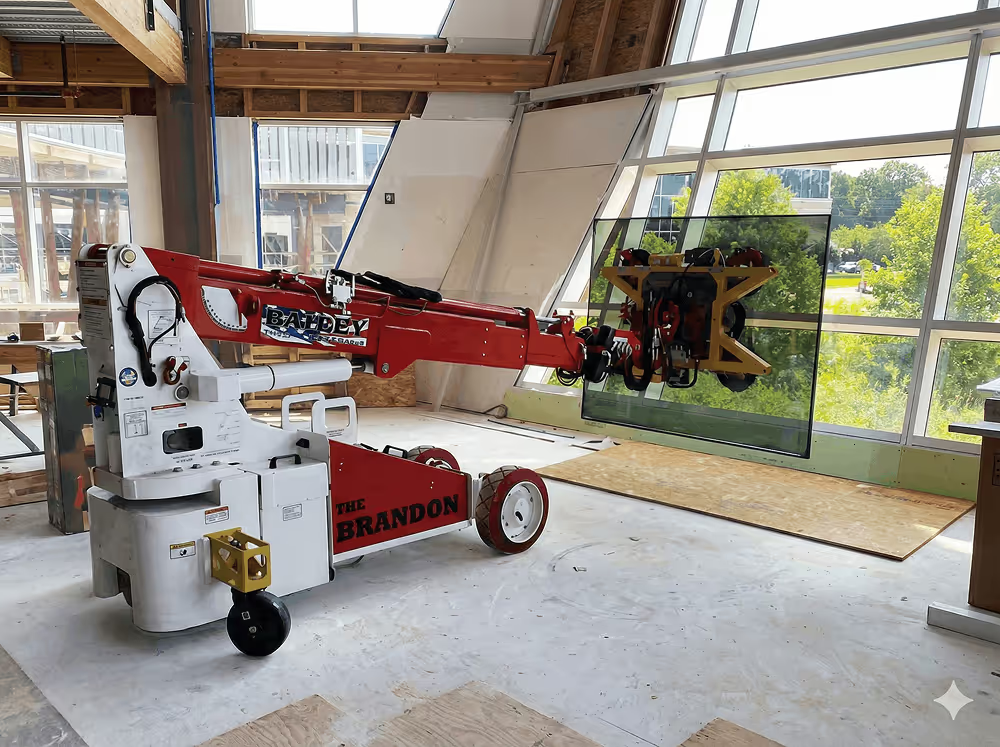
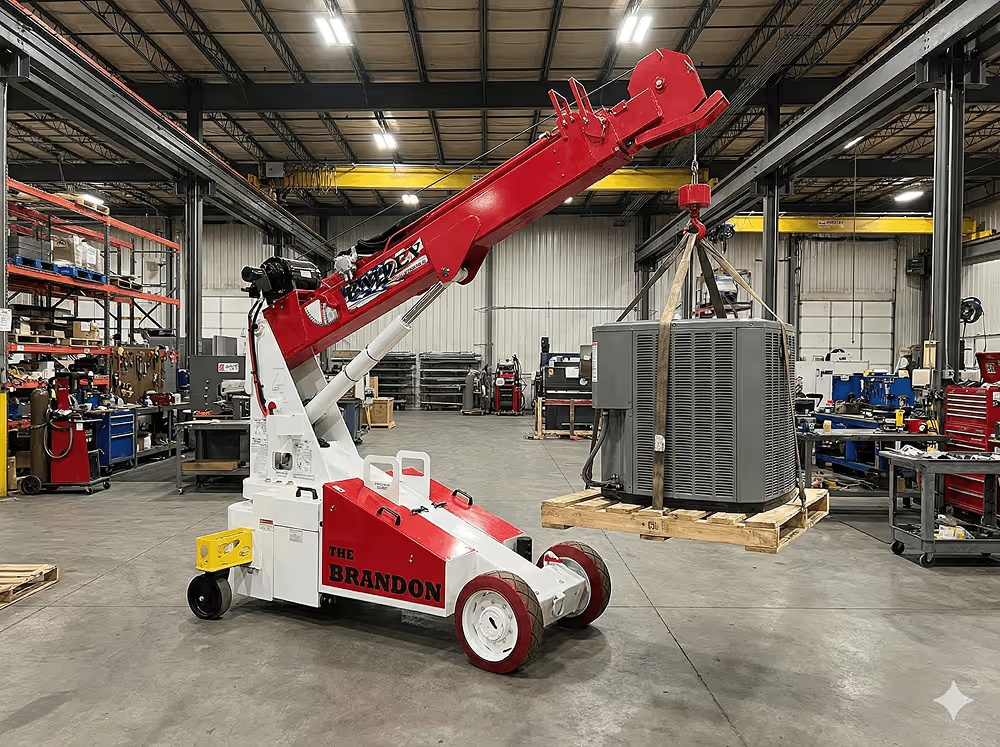
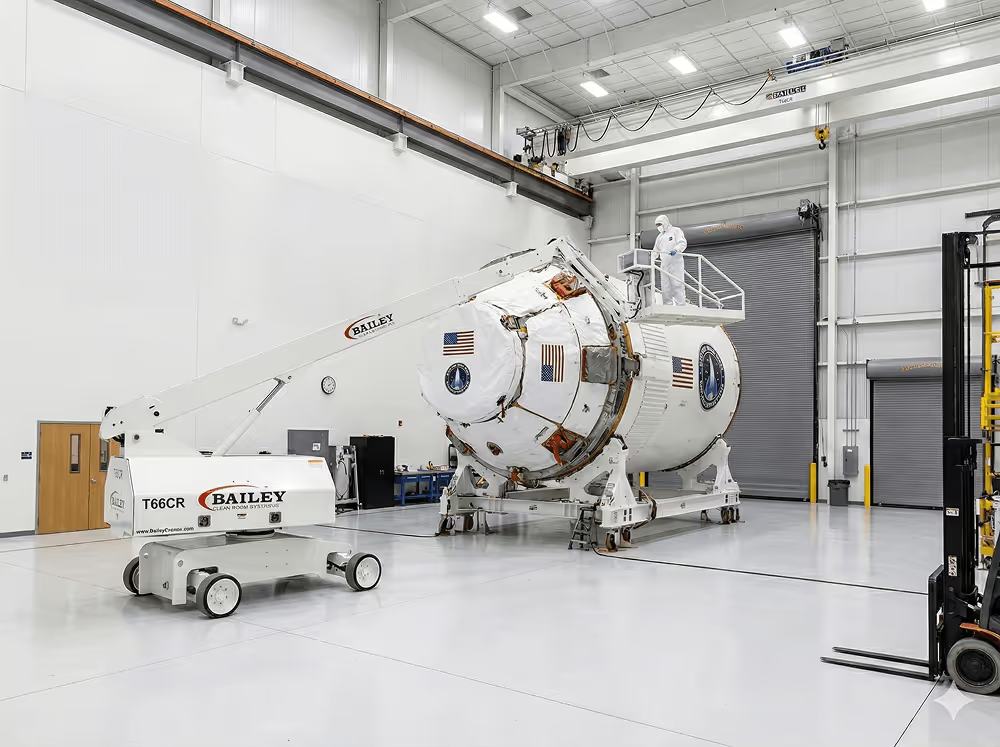
Bailey Cranes is a veteran-owned small business based in Muskego, Wisconsin. Bailey Cranes has pioneered explosion‑proof Mobile Elevating Work Platforms (MEWPs) that set new industry standards, securing clients like NASA, the U.S. Air Force, Lockheed Martin, Boeing, and Northrop Grumman. Our team is dedicated to enhancing operational safety and efficiency through custom-engineered MEWP solutions. Today, the company stands as a trusted partner for aerospace, defense, and construction industries, fulfilling its mission to deliver exceptional lifting and access platforms and its vision to remain the first choice for the most challenging work environments.
At Bailey Cranes, safety is a key part of how we design every aerial work platform. We create each lift with features that help prevent accidents before they happen. Our platforms include smart systems like collision avoidance, which stops movement if something is too close, and load sensors that make sure the platform isn’t carrying more weight than it should.
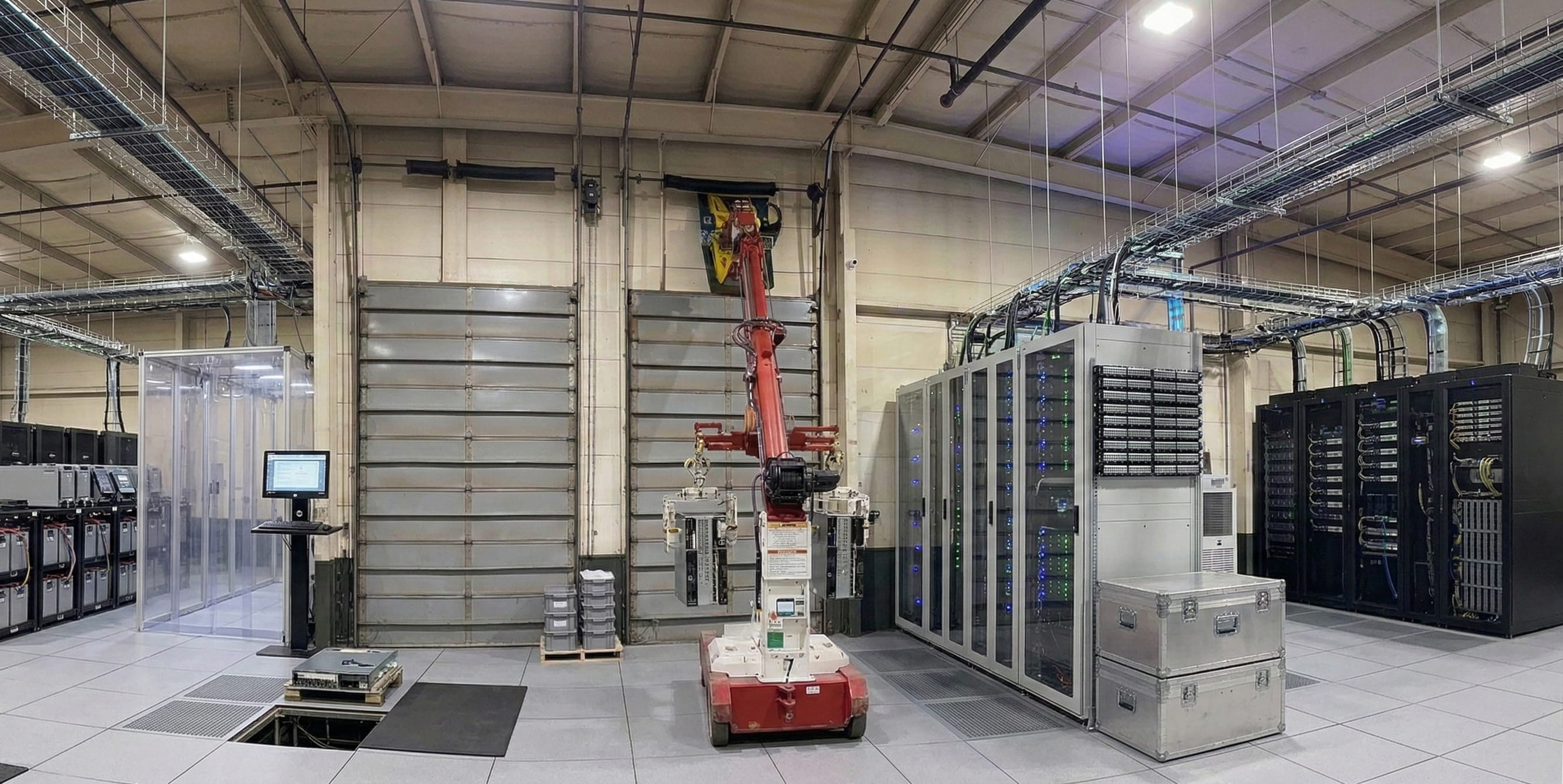
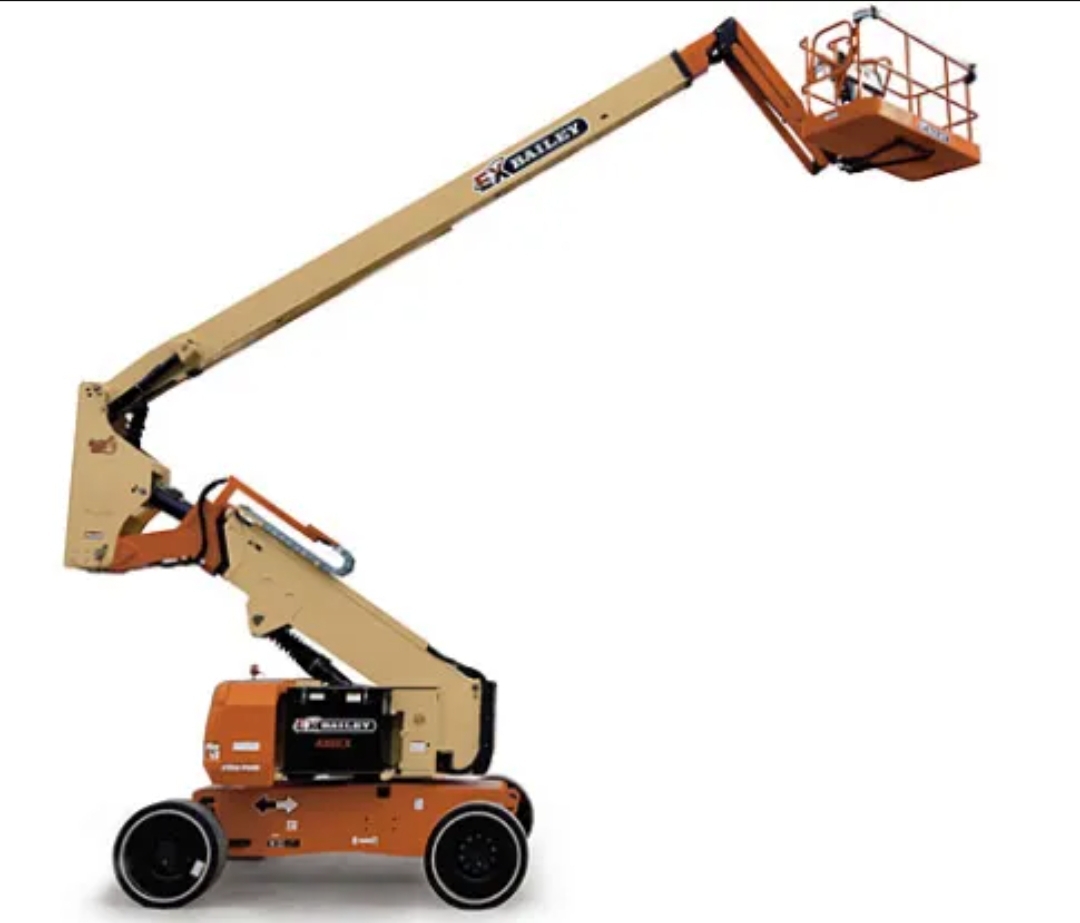
Our explosion-proof boom lifts are built for hazardous areas, reducing the risk of leaks or electrical sparks. We also design specialty manlifts from the ground up, customizing them to meet specific job needs while following the latest safety standards, including ANSI A92.20.
Our compact models, like the PM25, are made for tight spaces and safer alternatives to ladders. Features like omnidirectional drive, emergency stop controls, and clearly visible battery indicators give operators better control and awareness.
Every lift goes through detailed testing for strength, stability, and reliability before it reaches our customers. With over 100 custom lifts built and decades of engineering experience, Bailey Cranes is committed to building safer lifting solutions that work in even the most demanding environments.
Conclusion
Operating aerial work platforms comes with several risks like falls, electrical contact, and equipment failure, which can all lead to serious injuries and project delays if not handled properly. That’s why ensuring safety while using elevated platforms should always be the top priority.
Key tips for safe operation include inspecting the equipment before use, staying within weight limits, avoiding sudden movements, steering clear of power lines, and adjusting for weather conditions. Operators should always be trained and aware of their surroundings.
At Bailey Cranes, we take these concerns seriously by designing platforms that include advanced safety features like collision avoidance systems, load sensors, emergency controls, and explosion-proof components.
Our platforms are built to meet the latest safety standards and undergo thorough testing to ensure they perform reliably in any environment. With a strong focus on operator safety, Bailey Cranes delivers lifting solutions that help keep every job safe, stable, and efficient.
Contact Bailey Cranes for assistance in selecting premium aerial work platforms that are designed with top-quality safety features and standards. To learn more about our lifting solutions, contact Bailey Cranes at 262-710-4028 or email us at sales@baileycranes.com.


.avif)