Improving lifting equipment safety today requires more than basic alarms or manual checks. As work environments become tighter and complicated, traditional safety practices are no longer enough to prevent collisions or unexpected movements during lifting operations.
Even a single impact involving a crane or load can lead to downtime, costly repairs, and serious safety risks or injuries for workers. This is why many facilities are now turning to smarter technologies like an overhead crane collision avoidance system to maintain control, prevent errors, and strengthen daily operations.
In this blog, we explore how modern collision avoidance technology is transforming industrial lift safety, helping teams work more confidently, more consistently, and with far fewer risks.
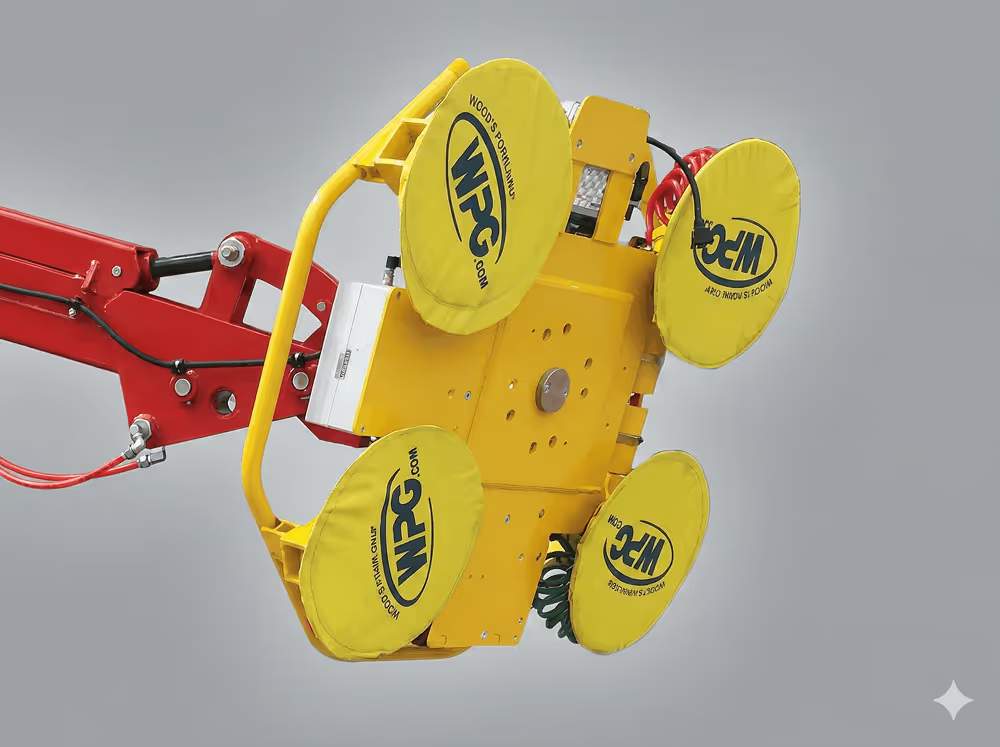
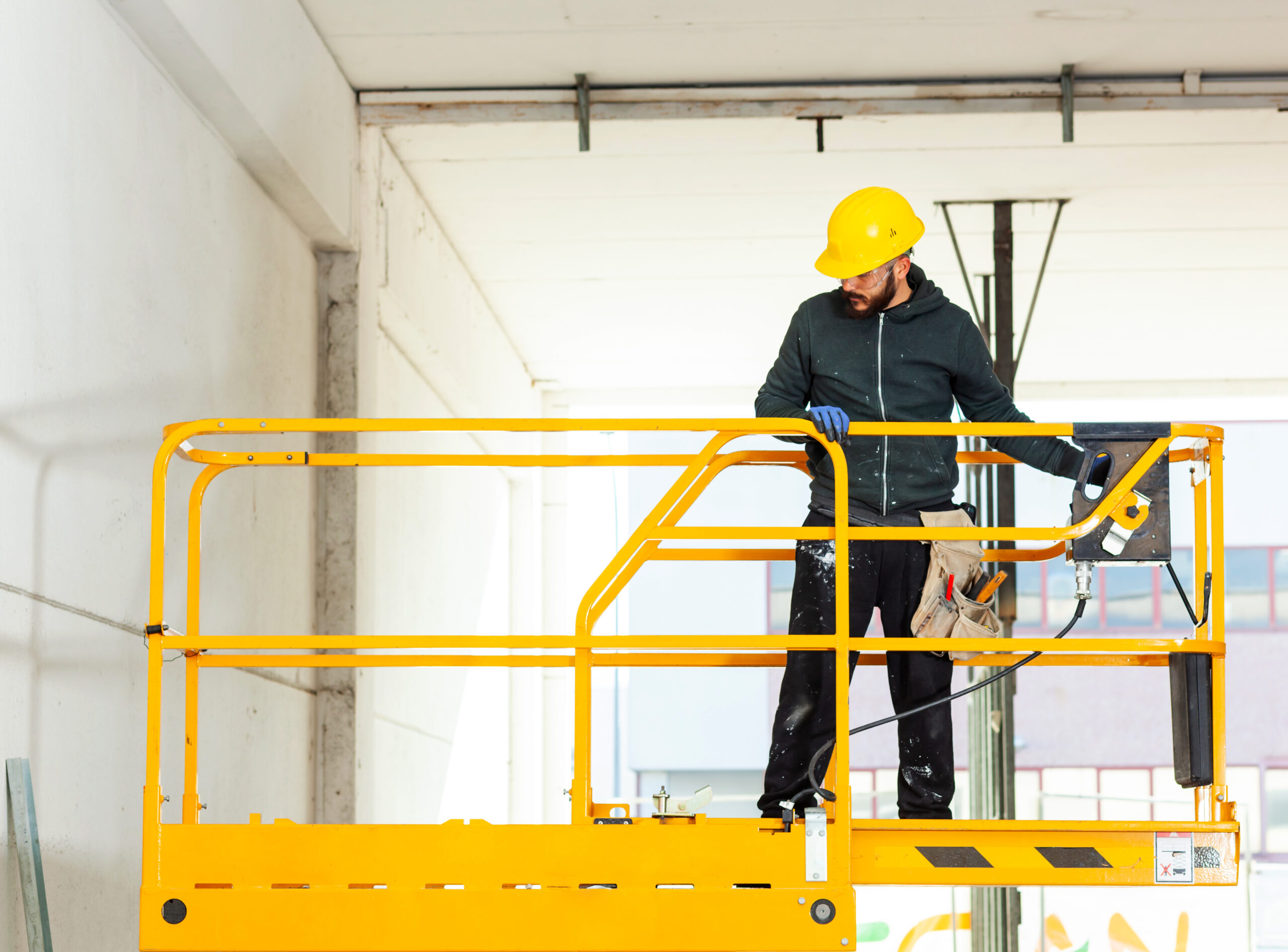
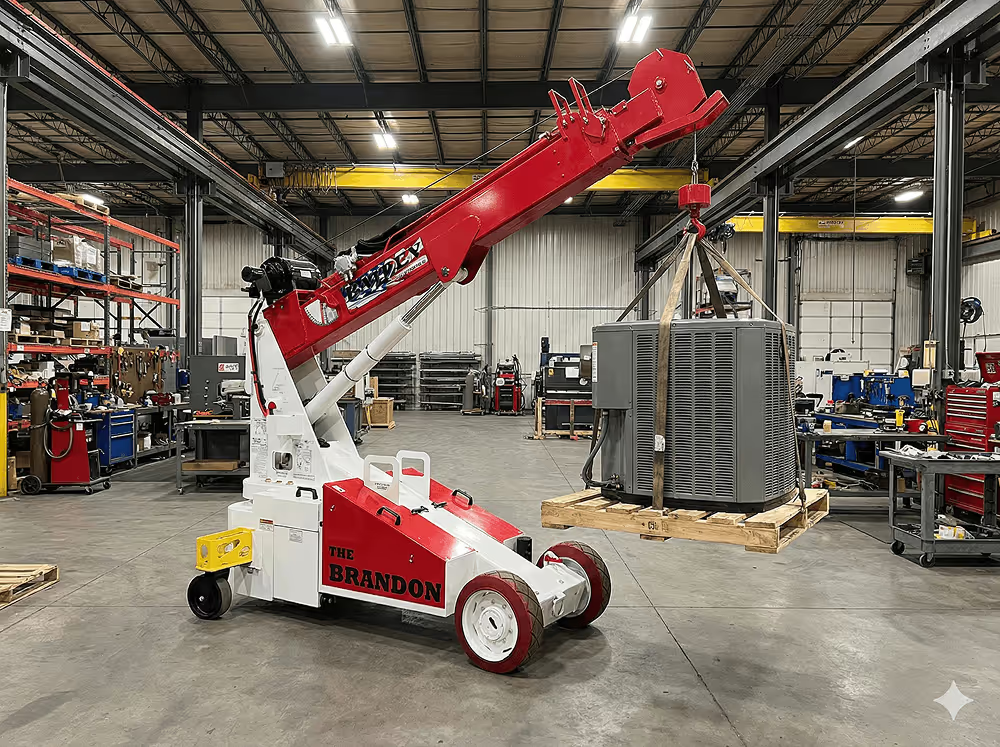
Collision avoidance systems help cranes detect obstacles early so operators can prevent accidents before they happen.
Crane Collision Avoidance System That Support Better Lifting Equipment Safety
1. Better Awareness Around Moving Loads
Modern collision avoidance tools give cranes a clearer understanding of what is around them. Sensors help the system detect people, structures, or equipment in the path of movement. This additional awareness reduces blind spots and supports stronger lifting equipment safety. Instead of relying only on operator judgement, the system adds a second layer of protection, helping teams avoid sudden contact during routine lifting work.
2. Consistent Protection for Busy Work Areas
Many facilities operate in fast, crowded environments where multiple machines run at the same time. A small mistake can lead to damage or unsafe movement. An overhead crane collision avoidance system helps maintain safe spacing and steady movement even when the workspace is busy. This gives operators more confidence and keeps tasks running smoothly without unnecessary interruptions or sudden stops.
3. Reduced Stress on Operators
Collision avoidance tools help reduce this risk of operator mishaps. By alerting operators to hazards early or slowing the crane automatically, the system supports safer, calmer decision-making. This process improves overall industrial lift safety and lets operators focus on accurate positioning instead of worrying about hitting something
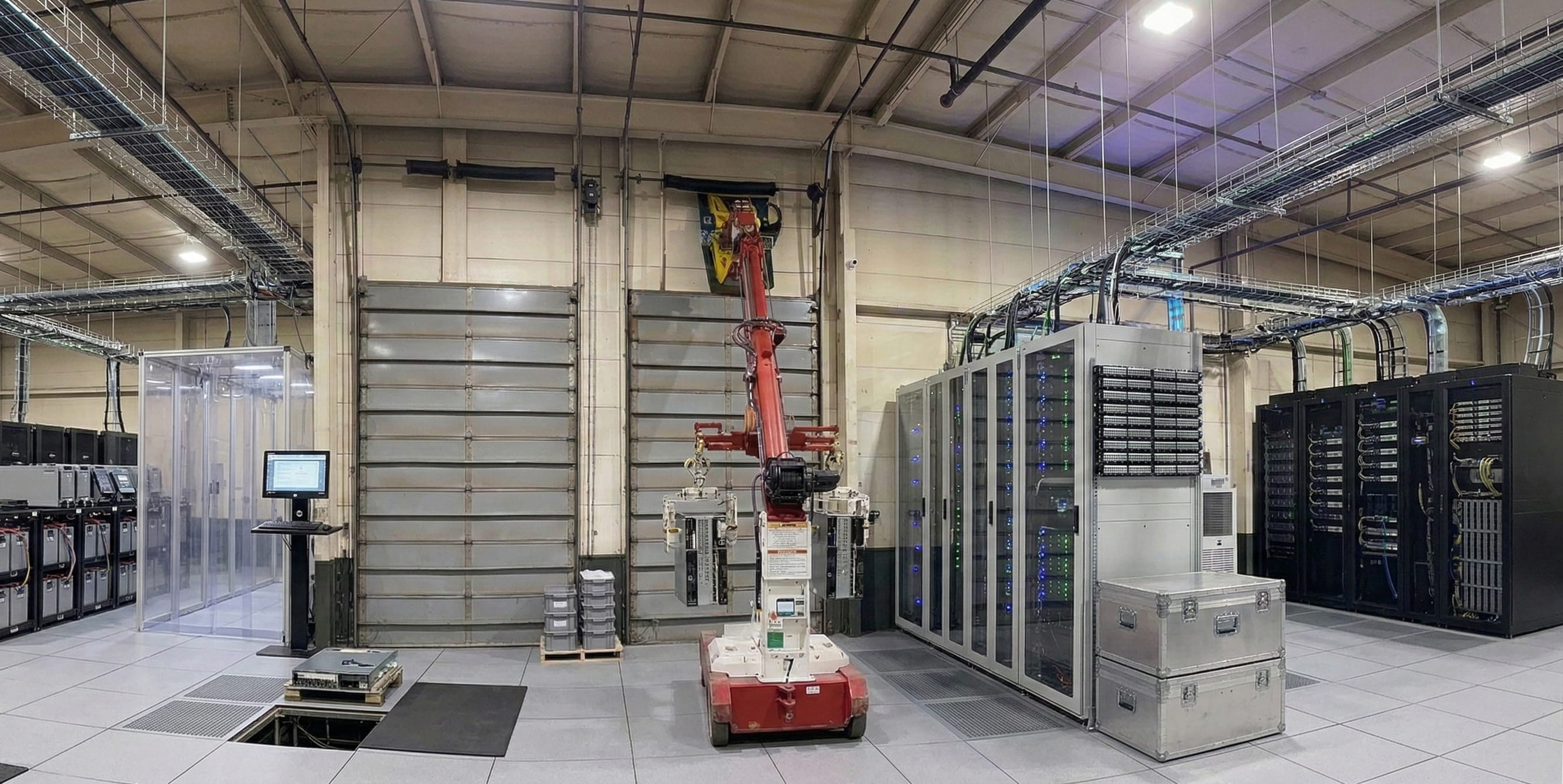
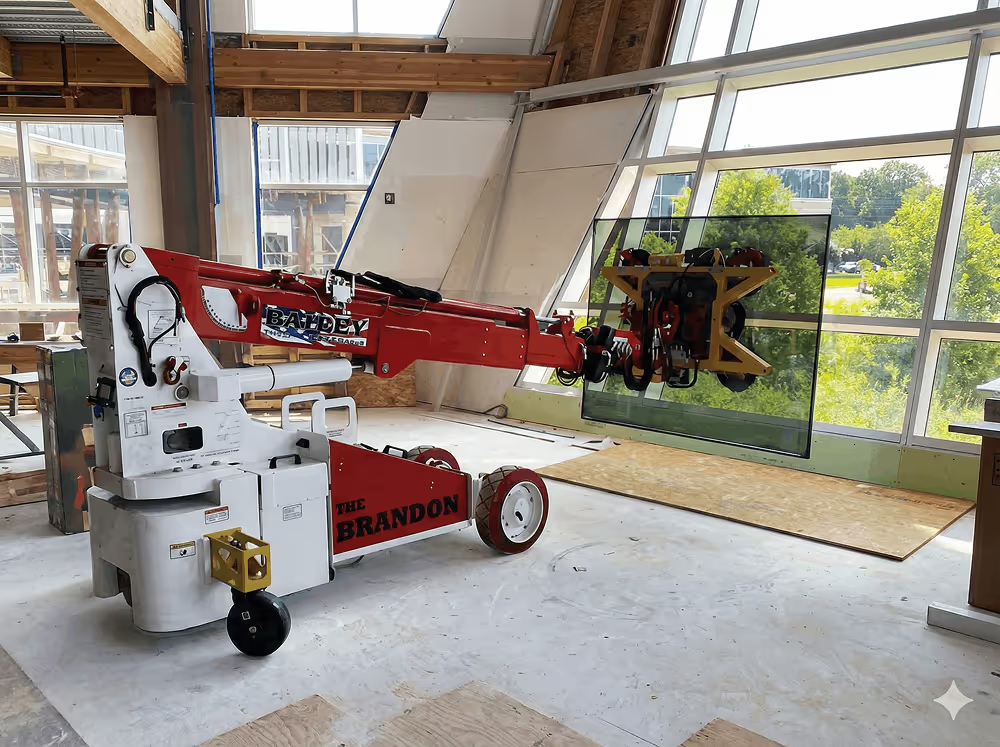
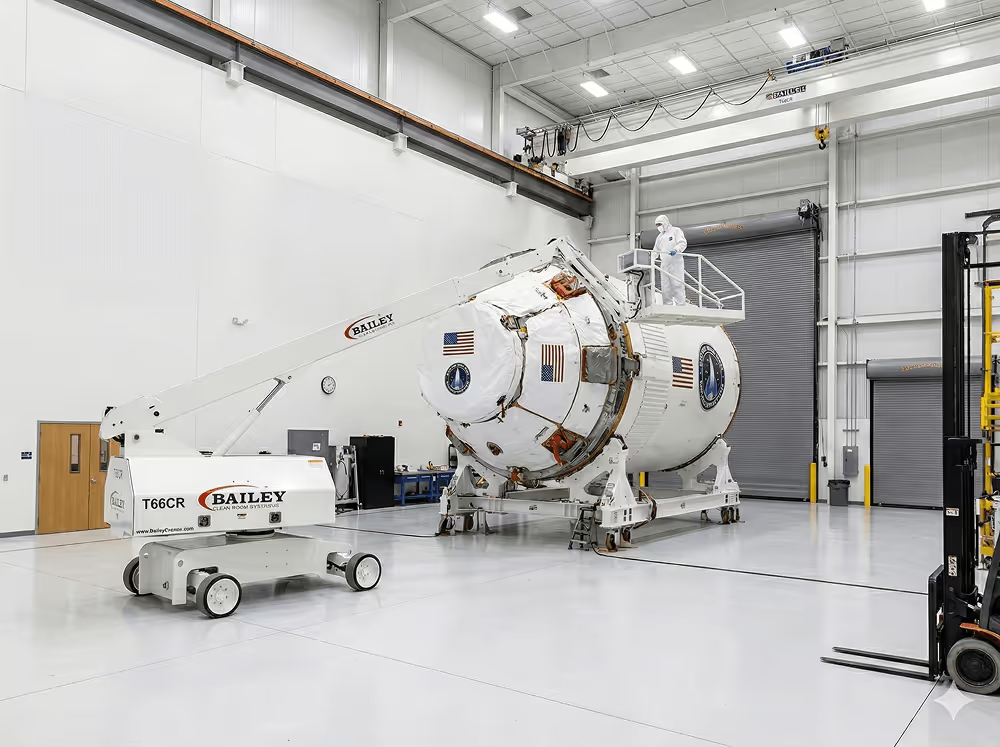
Upgrading crane systems is key to choosing the right collision avoidance system for safe, efficient operations.
4. Improved Equipment Life and Lower Repair Costs
Unplanned impacts, even small ones, can weaken parts of a crane over time. Collision avoidance systems reduce the chances of these incidents by controlling speed, distance, and stopping points. This protects the crane structure, lifting gear, and surrounding equipment. Companies benefit through fewer repairs, lower maintenance spending, and longer machine life, all while improving lifting equipment safety across the facility.
5. Stable Operations in Challenging Conditions
Some environments have poor visibility, tight travel paths, or frequent layout changes. These conditions make precise lifting more difficult. Collision avoidance systems help the crane maintain stable movement by using sensors to monitor distance and obstacles. Whether the operator is working in low visibility or guiding the crane through a narrow path, the system supports safer, steadier handling throughout the job.
6. Better Safety Culture Across the Facility
An overhead crane collision avoidance system does more than prevent collisions. It encourages teams to follow safer work habits and rely on tools that support long-term protection. Over time, this leads to a stronger safety culture, where workers feel safer, supervisors feel more confident, and the company maintains higher safety standards. The result is an environment where industrial lift safety becomes a natural part of every operation.
Bailey Crane’s Purpose-Built Crane Collision Prevention Approach
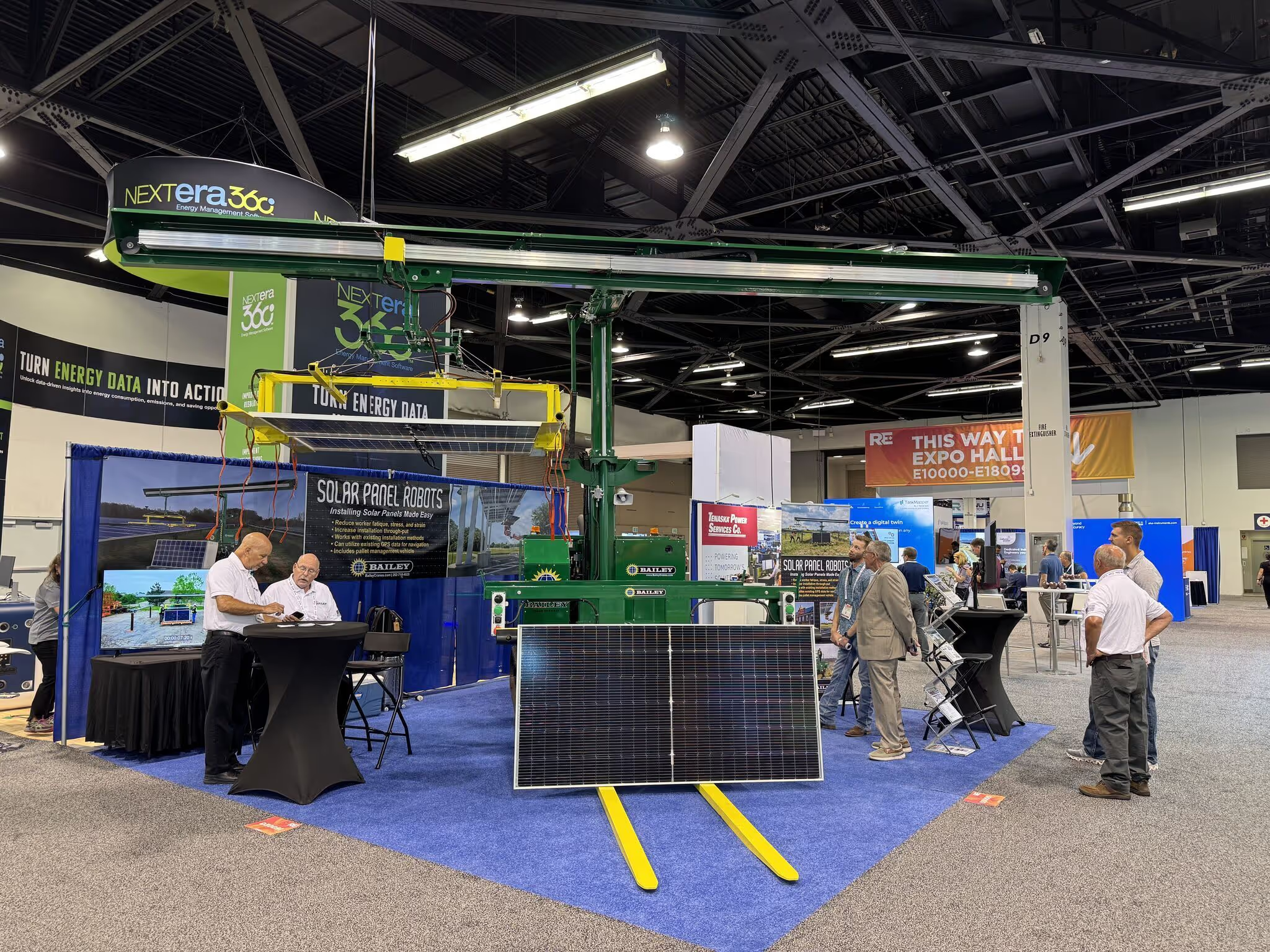
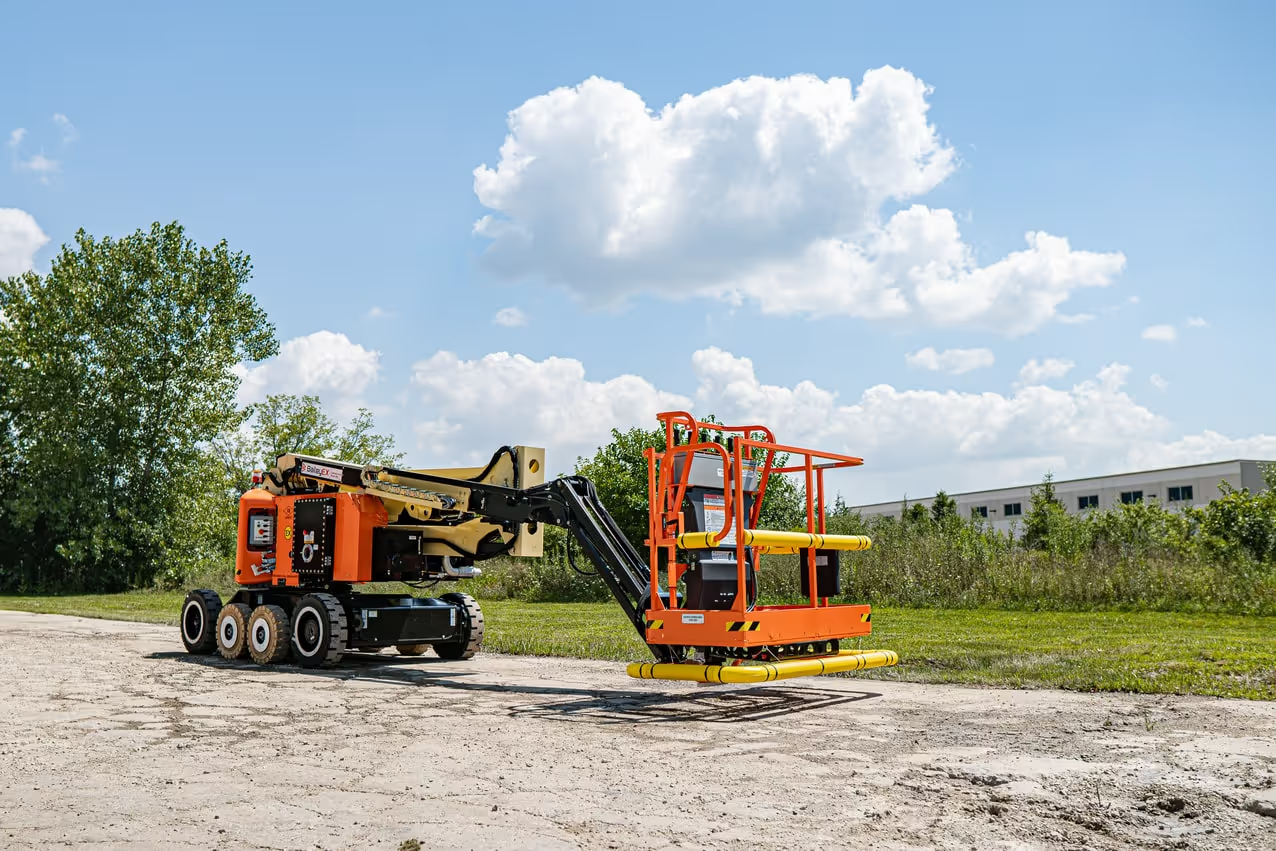
With two decades of expertise and experience, Bailey Cranes designs and manufactures mobile elevating work platforms (MEWP) for mission-critical environments. Besides this domain knowledge, Bailey’s professionals focused on lifting equipment safety and developed a well-led collision avoidance system.
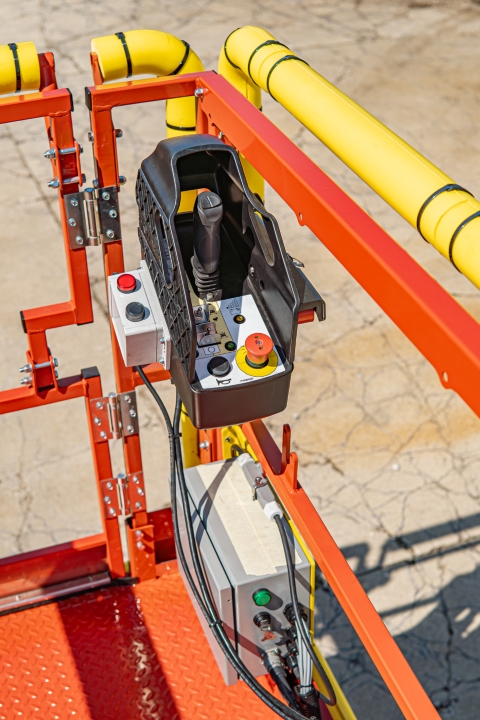
From basic to advanced level of system for scissor or boom lifts to eliminate unintended contact with equipment or personnel by activating an automatic halt before any impact takes place.
Key Features Of Bailey’s Anti Collision Device For Cranes
- Smart Protective Zones: Laser-based sensing creates dynamic safety fields that prevent unintended contact with people, equipment, and structures.
- Real-World Engineering: Systems are designed to perform reliably in congested, unpredictable, and mission-critical jobsite conditions.
- Custom-Tuned for Every Operation: Solutions are tailored to each mission-critical specialty environment, matching unique operating constraints.
- Continuous Operational Monitoring: Real-time alerts, lift-stage tracking, and operator-assist features reduce wear, improve uptime, and maintain smooth, safe workflows.
Final Note
By reading this blog, you might get an understanding that integrating collision avoidance systems is not just a need but a necessity as part of safer lifting operations as work environments grow more complex. With each lift, these systems provide teams with more confidence, reduced hazards, and improved control. Facilities can lower unexpected contact, safeguard employees, and sustain equipment performance over time with Bailey Cranes’ purpose-built approach and engineering-backed safety solutions.
Smart collision prevention will be significant to building safer and more dependable lifting operations as businesses keep striving for increased levels of security.


.avif)