Workplace safety remains a critical priority as industries continue to expand across manufacturing, construction, utilities, logistics, and automotive sectors. Modern job sites involve heavy equipment, elevated tasks, electrical operations, and fast-paced processes. Even a small lapse in safety can lead to injuries, productivity losses, and reputational damage.
This is why countries rely on structured safety frameworks. In the United States, this responsibility lies with OSHA (Occupational Safety and Health Administration). Understanding OSHA’s role and its regulations helps organizations create safer environments and maintain dependable equipment operations.
Understanding OSHA: The Authority Behind Workplace Safety Standards
OSHA is a United States government agency responsible for ensuring safe and healthy working conditions. It was established in 1970 under the Occupational Safety and Health Act. The primary mission of OSHO is to define how workplaces should operate, how equipment must be used, and how risks should be managed.
Although OSHA operates within the United States, its structured safety model influences industrial practices worldwide. Many OEMs, suppliers, and engineering teams align their internal procedures with OSHA guidelines to reduce hazards and improve operational safety.
OSHA’s Mission: Creating Safe and Healthy Workplaces
Common questions about OSHA include
- What does OSHA do?
- What is the purpose of OSHA?
- What does OSHA regulate?
- What is OSHA responsible for?
OSHA’s core mission is simple: to prevent work-related injuries, illnesses, and fatalities.
This is achieved by:
- Developing safety standards applicable across industries
- Defining requirements for machinery, electrical systems, chemicals, and height-related work
- Recommending training programs for workers
- Offering guidance and compliance resources
- Conducting inspections to ensure adherence
This systematic method aids in ensuring a consistent safety expectations regardless of company size or operational complexity.
The Day-to-Day Industrial Operations that OSHA Protects Workers
The Occupational Safety and Health Administration actively participates in the well-being of employees at factories, warehouses, workshops, energy facilities, and construction sites.
Its involvement includes
- Setting Safety Standards
OSHA regulations define safe practices for equipment usage, material handling, machine guarding, ventilation, noise exposure, and working at heights.- Mandatory Training Requirements
Operators of forklifts,
aerial lifts
, and other machinery must receive proper training and certification before performing tasks.- Workplace Inspections
By visiting job sites, OSHA inspectors can determine whether the companies adhere to the safety regulations. These tests assist in eliminating risks prior to them causing accidents.- Incident Prevention Programs
The agency encourages businesses to implement internal risk assessment programs and corrective action plans.- Workplace Reporting and Worker Protection
Employees can report unsafe conditions without fear of retaliation, ensuring timely corrective measures.
Together, these measures help create environments where workers can perform their duties with confidence.
Importance of OSHA Training and Certifications
Training is one of the most effective ways to reduce workplace accidents. OSHA requires employers to educate workers on:
- Safe equipment operation
- Proper use of personal protective equipment
- Emergency procedures
- Hazard identification
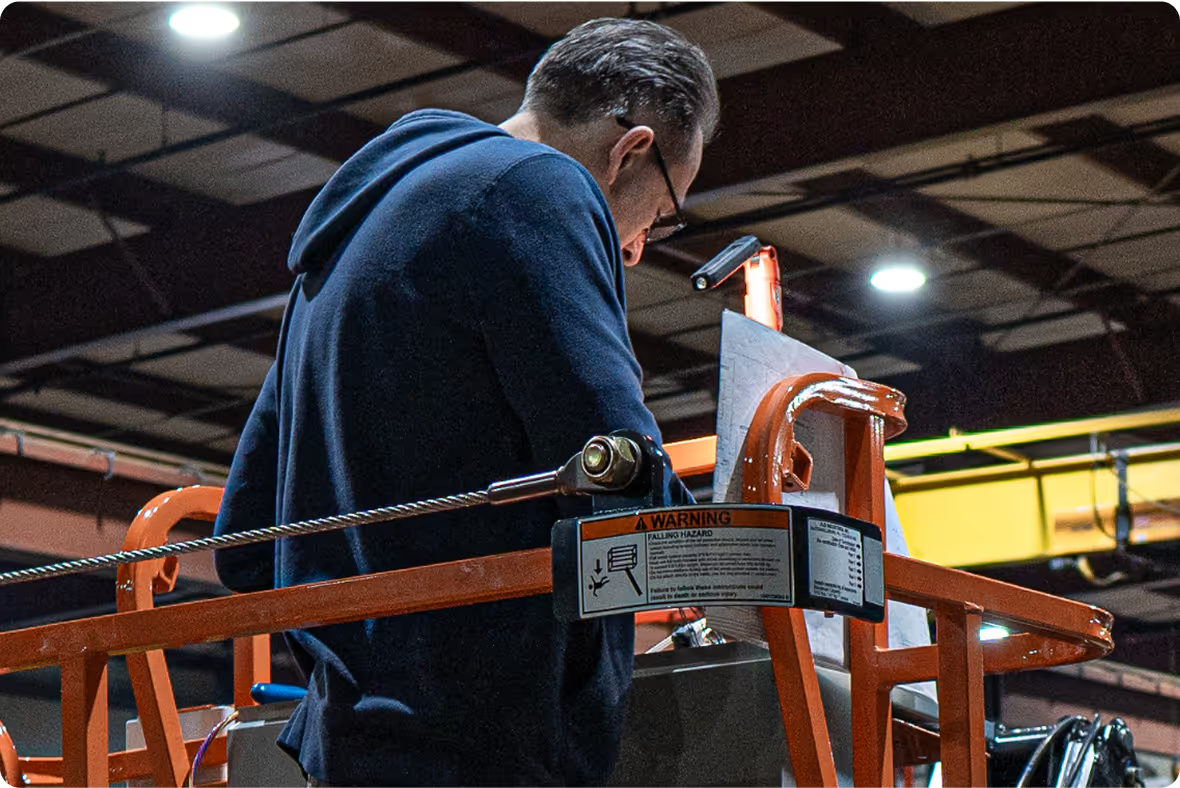
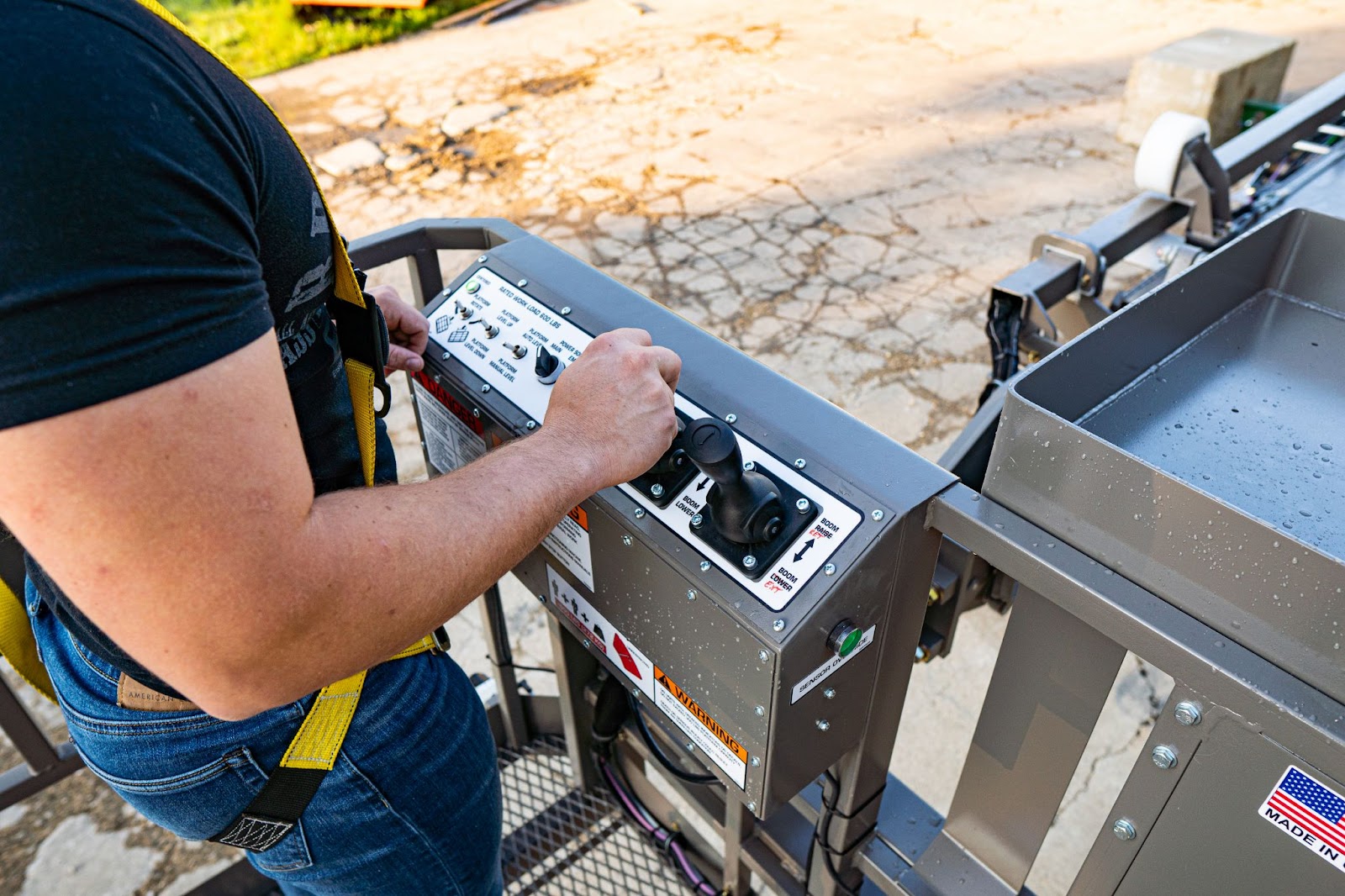
This is especially critical for aerial lifts used in hazardous environments such as construction sites, industrial plants, and confined areas. OSHA-aligned training ensures operators understand load limits, stability risks, fall protection, and safe maneuvering at height.
Well-trained employees are not only technically capable but also conscious of how their actions influence overall workplace safety, particularly when working with elevated access equipment.
Employer Responsibilities Under OSHA
Employers are required to maintain a safe working environment by:
- Providing training at no cost to employees
- Ensuring equipment and machinery are safe to operate
- Maintaining hazard-free work areas
- Reporting incidents and keeping accurate records
- Supplying protective equipment when required
- Reviewing and updating safety procedures regularly
Meeting these obligations helps reduce downtime, avoid penalties, and protect the workforce.
The Reasons why OSHA Compliance Is Necessary for Businesses
In addition to legal mandates, OSHA compliance has a number of long-term advantages:
- Less chance of accidents and minimal disturbances.
- Reduced repair, compensation or downtime costs.
- Increased confidence among employees.
- Better consistency of operations.
- Raised customer confidence, particularly with safety-driven sectors.
Failure to comply, however, may lead to fines, loss of reputation and delay of operations.
Relevance of OSHA to the high-risk industrial sectors
Industries involving heavy machinery, elevated tasks, or hazardous materials rely heavily on OSHA standards, including:
- Manufacturing and production
- Automotive and construction engineering
- Warehousing and logistics
- Utilities and power systems
- Infrastructure and facilities management
- Aerospace and energy
In these sectors, safety is not just a regulatory requirement but a business necessity.
The Impact Of The Osha Standards On The Design Of Equipment And Components
OSHA also influences how industrial equipment is designed and manufactured. Compliance requires:
- Structurally stable support systems
- Precise machining and accuracy
- Secure platforms and enclosures
- Safe hydraulic, mechanical, and electrical systems
- Clear labeling and instructions
- Verified testing and traceability
High-quality components play a vital role in meeting these expectations. Consistency and precision directly contribute to safer equipment performance.
The Role of Bailey Cranes In Aiding Manufacturers To Address Global Safety Standards
Bailey Cranes supports OEMs and component manufacturers seeking alignment with OSHA and international safety benchmarks.
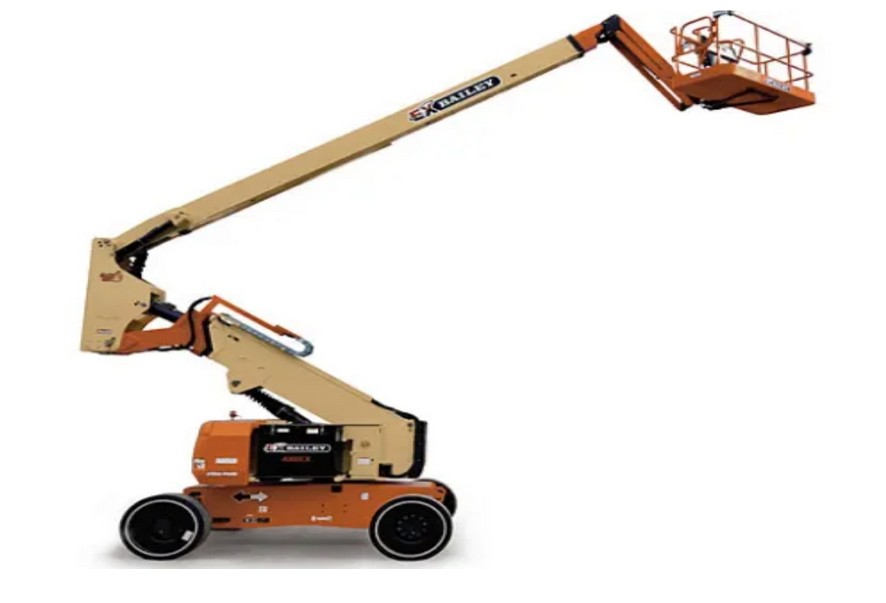
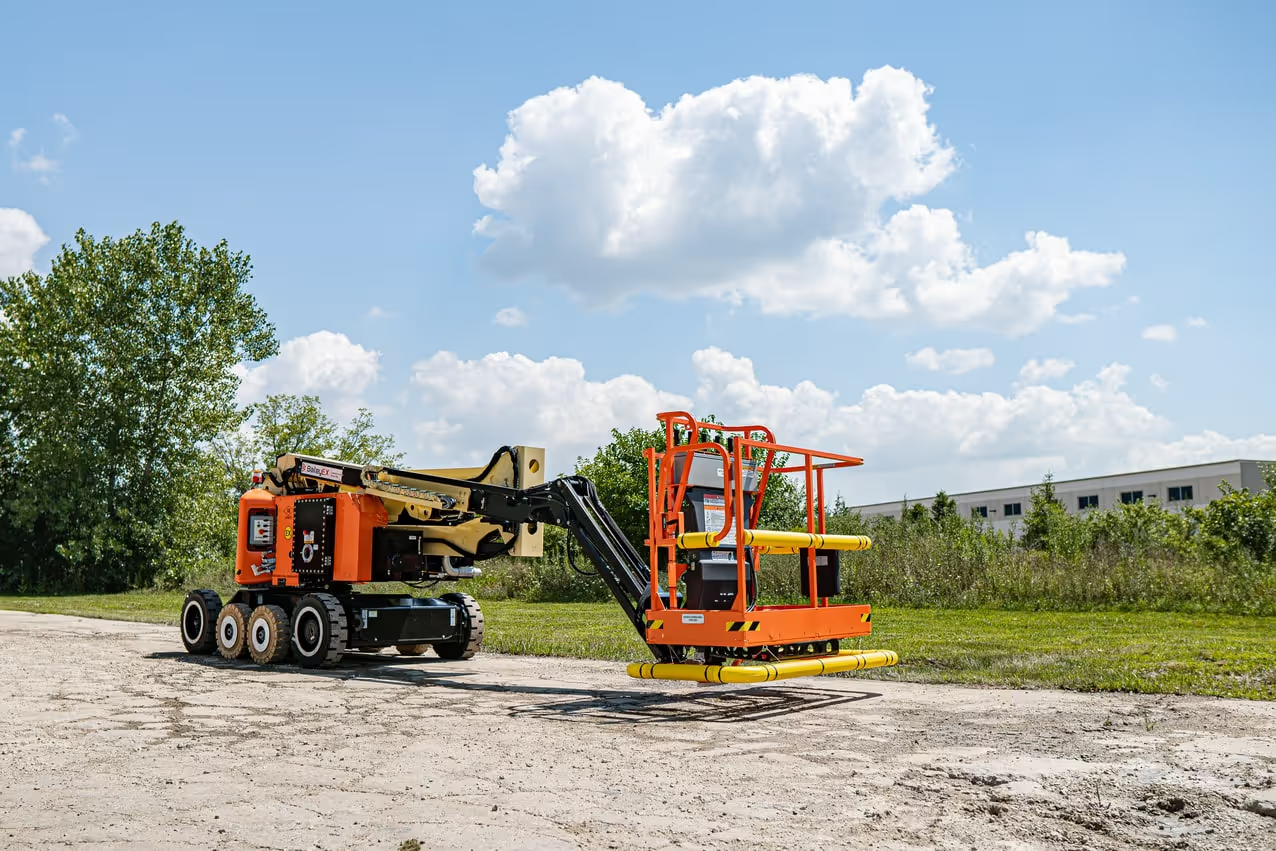
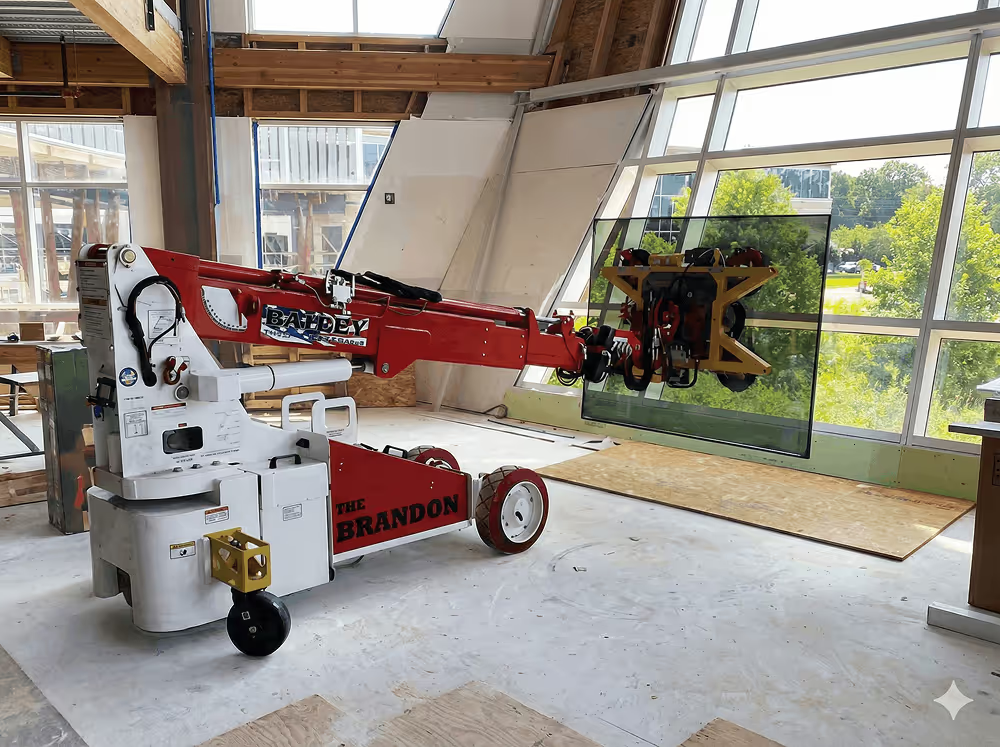
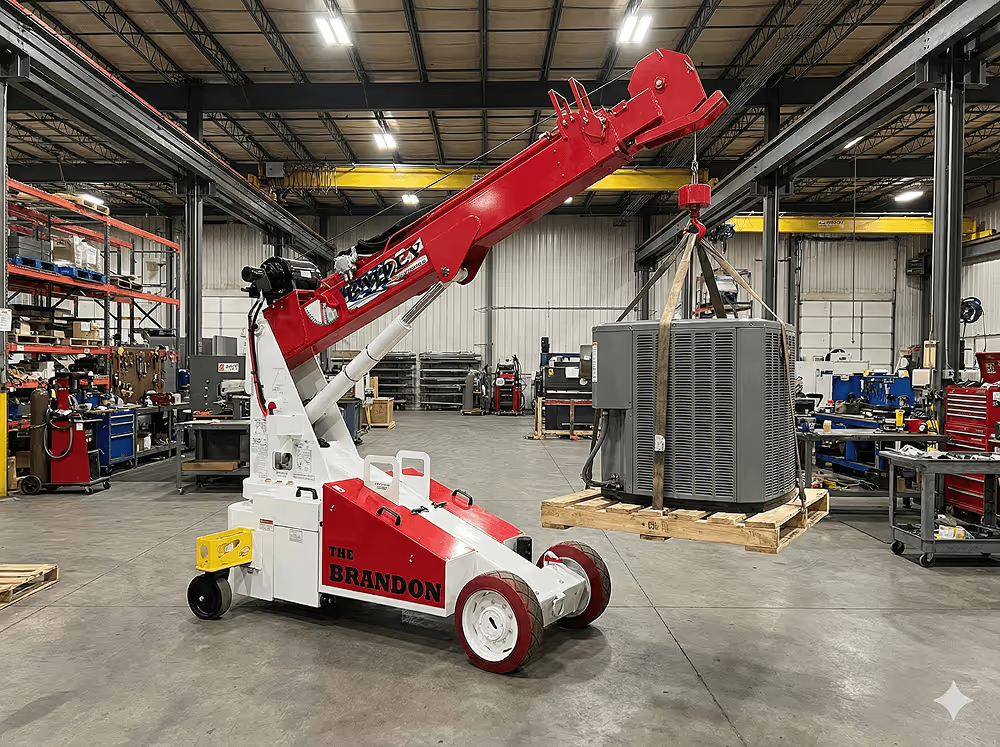
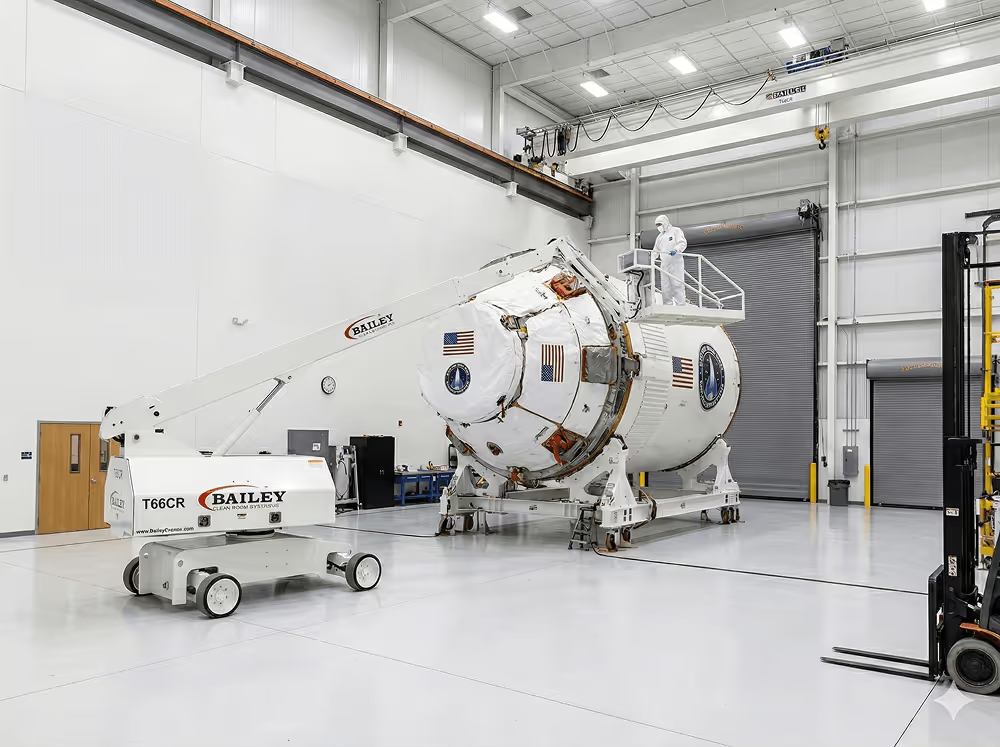
Bailey Specialty Cranes & Aerials designs and manufactures mobile elevating work platforms that meet stringent regulatory requirements, including OSHA standards. With over two decades of experience in demanding industrial environments, Bailey follows certified quality systems such as ISO 9001:2015 and supports specialized applications, including explosion-proof operations.
By managing the complete process from design analysis and fabrication to testing and validation, Bailey delivers equipment that enhances operational safety, reduces risk, and meets U.S. and global regulations. Its proven work with aerospace, defense, and industrial clients reflects its ability to deliver reliable solutions where compliance is critical.
Through its collaboration with Bailey Cranes, manufacturers can deliver to the global standards of quality of their components safer machines, safer workplaces and safer employees.
Conclusion
Workplace safety is a shared responsibility. OSHA provides the framework, industries commit to compliance, and quality manufacturing ensures reliability. As equipment complexity and operational demands continue to grow, the need for dependable safety practices and precision-engineered components will only increase.
Bailey Cranes helps this future by allowing the manufacturers to design safer, stronger, and more consistent machines, allowing industries to take care of their workers whilst working at full capacity.
Contact Bailey Cranes by phone at 262-710-4028 or by email at sales@baileycranes.com to get to know more about our solutions to lifting problems.


.avif)