Industrial explosions are not random events. In most facilities, they are preventable outcomes when ignition risk is left unmanaged.[1][2][3]
Section 1
The Trigger Event
February 2026, Janesville: two workers were burned after an industrial explosion event.[1] Incidents like this escalate quickly in enclosed systems under pressure.
A failed seal, a spark, and suspended fuel particles are enough to trigger ignition. This is not limited to refineries; food, packaging, plastics, and manufacturing environments can carry equal ignition potential when dust or vapor accumulates.[2][3]
Reality: Any contained space with fuel and oxygen is a potential blast environment. Removing ignition sources is the control point.
Section 2
Risk Exists Beyond Oil & Gas
Combustible dust and flammable atmospheres span multiple industrial sectors, including food and materials processing.[2][3]
350+
Dust Fires / Year
U.S. industrial trend estimate.
$1.2M
Avg. Direct Incident Cost
Indirect losses can multiply this baseline.
70%
Preventable Pathways
Equipment and process discipline drive outcomes.
Combustible Dust Incidents by Sector
Food products remain one of the largest single categories in combustible dust incident data.[3]
Section 3
Know Your Classified Zone
Standard aerial equipment can introduce ignition in classified spaces through electrical arcs, hot components, or static behavior. Equipment must match the zone classification and hazard profile.[2]
I
Class I
Flammable gases and vapors.
II
Class II
Combustible dust in suspension.
III
Class III
Ignitable fibers and flyings.
Section 4
The Price of “Good Enough”
Direct incident costs are only one layer. Downtime, retraining, legal drag, and customer confidence losses often dominate total business impact.[4][5]
Medical treatment and compensation costs
Regulatory penalties, legal and remediation effort
Production interruption and schedule recovery losses
Brand, retention, and long-tail commercial impact
Prevention Is the Strategy
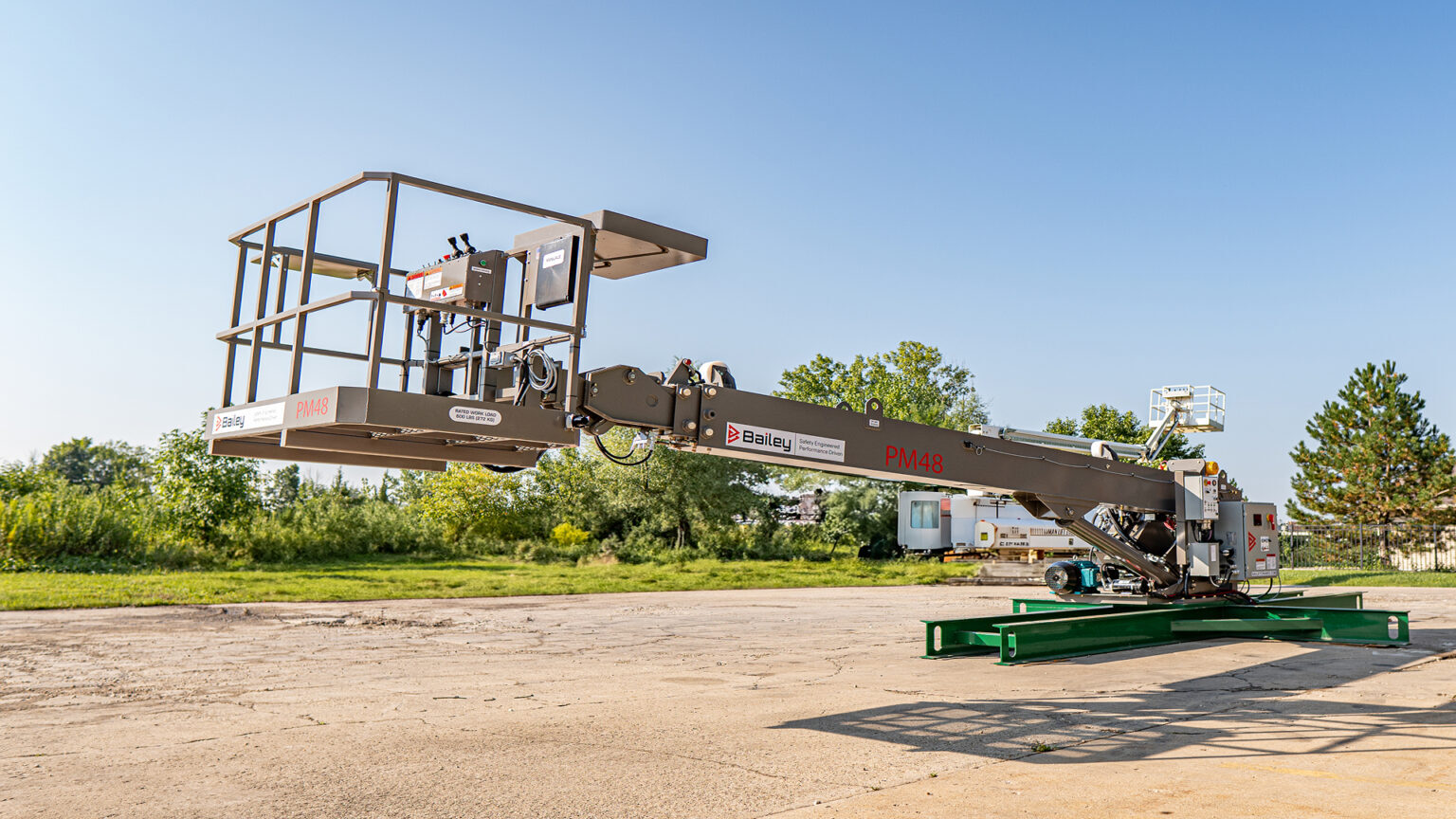
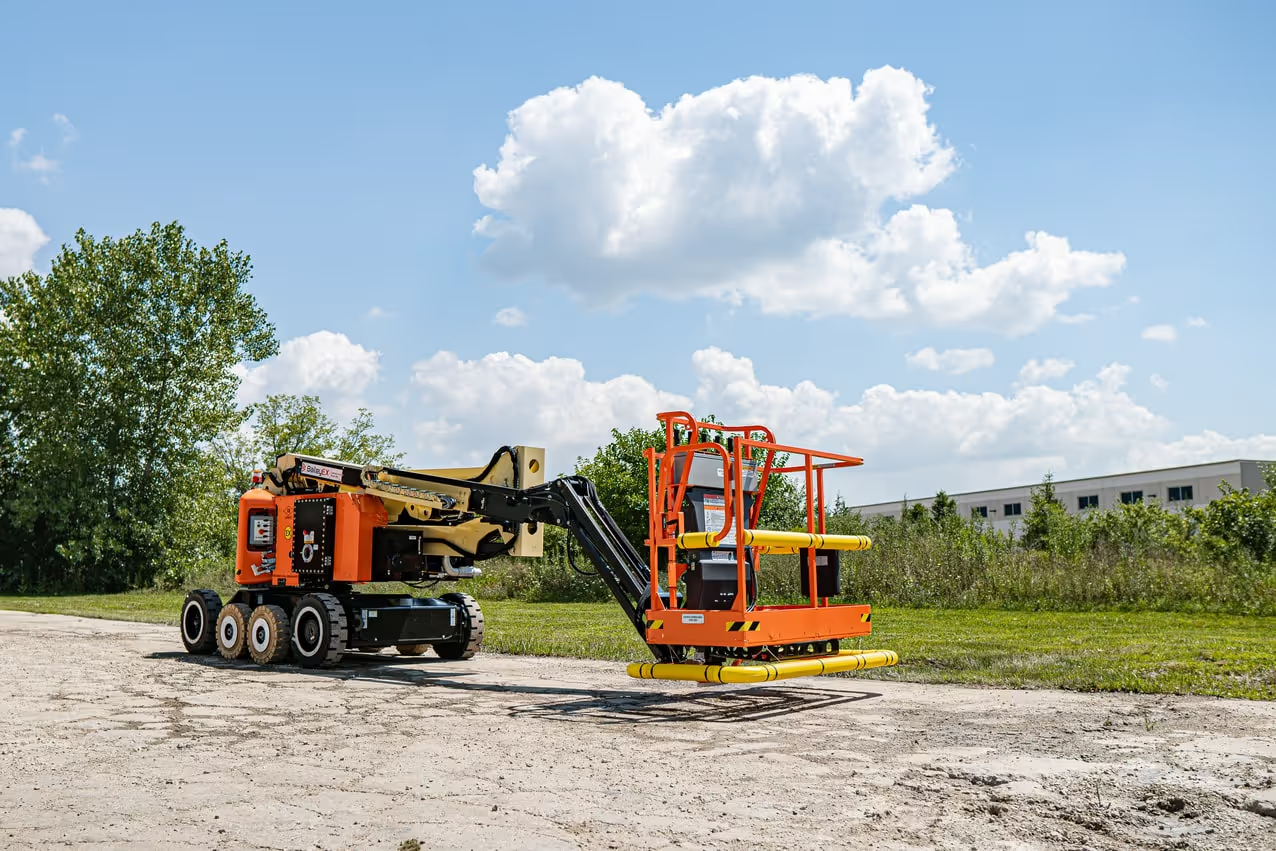
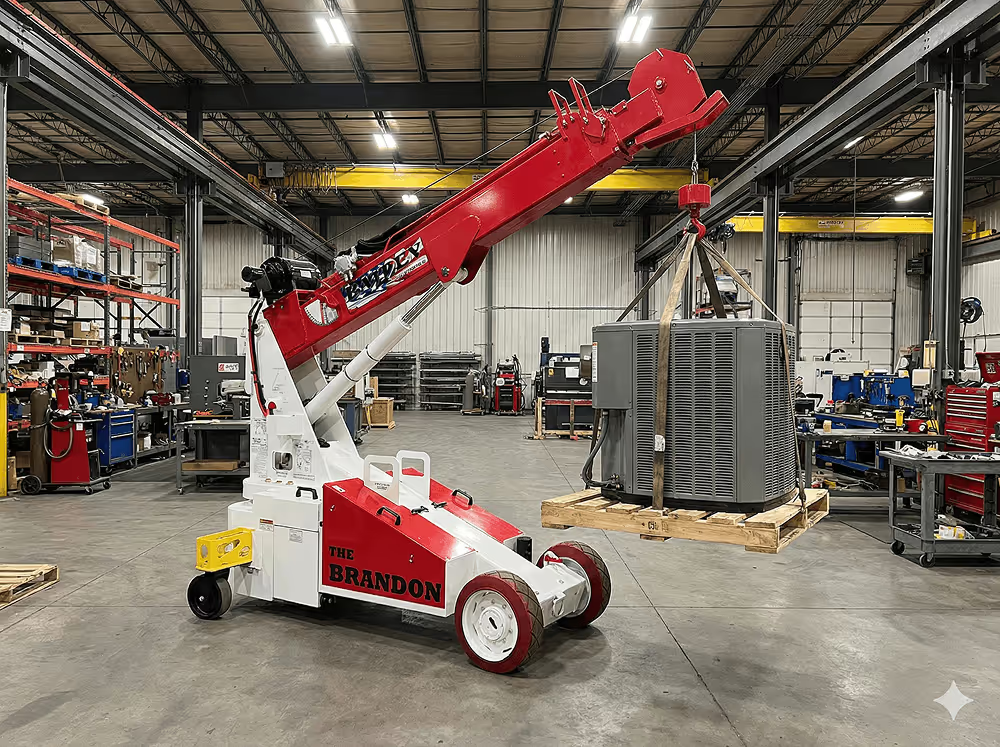
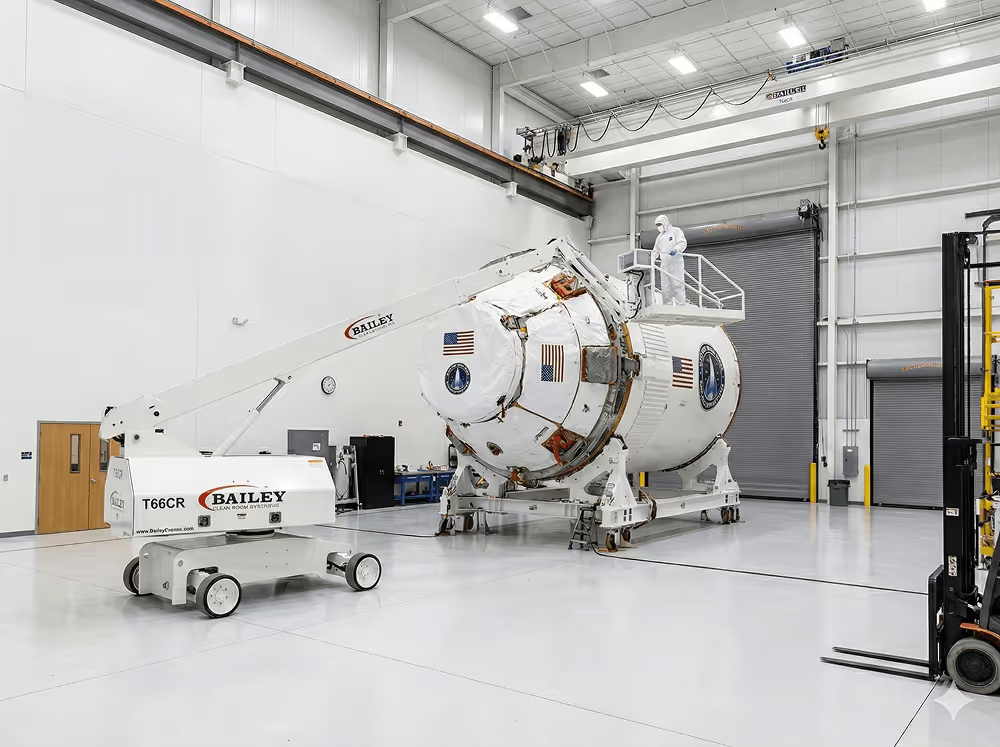
Bailey designs aerial solutions for high-risk environments so teams can perform critical work with a stronger safety envelope.
References
WMTV 15 News. “Two burned after Janesville industrial explosion,” published February 11, 2026.
View source.
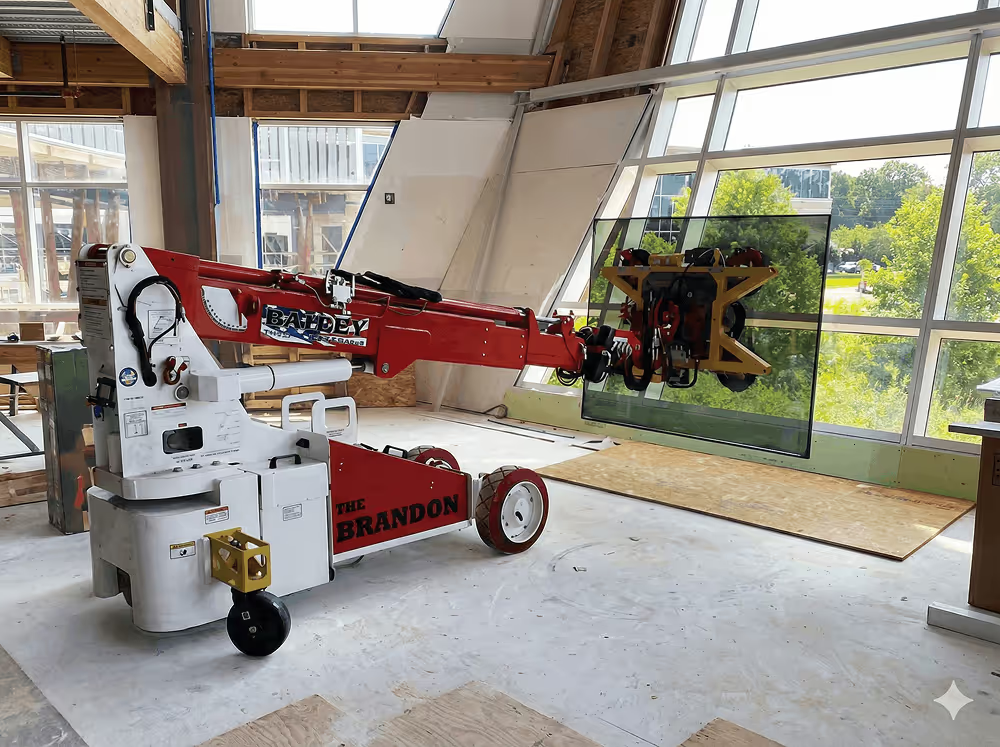
Partner with Bailey to transform proven platforms or build fully custom lifting solutions—engineered, manufactured, and supported under one roof for mission-critical environments where failure is not an option.
Bailey Specialty Cranes & Aerials is a Service-Disabled Veteran-Owned engineering and manufacturing firm based in Muskego, Wisconsin. We specialize in precision access solutions for industries where the margin for error is zero.


.avif)